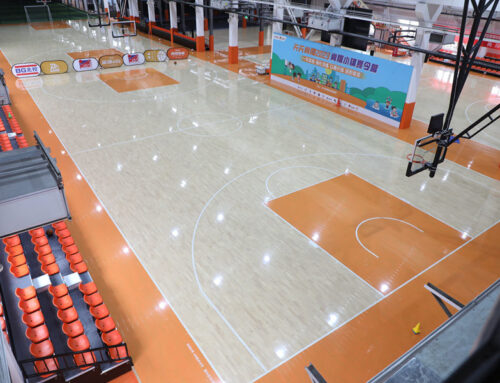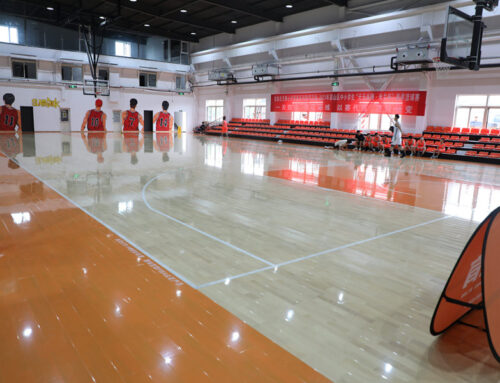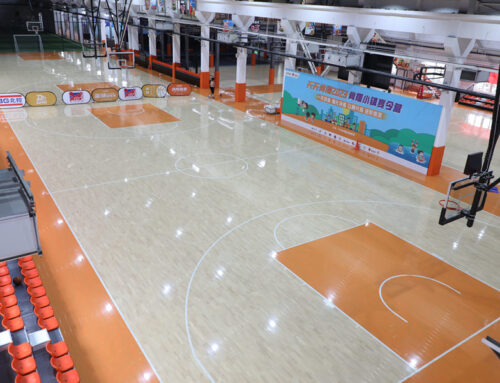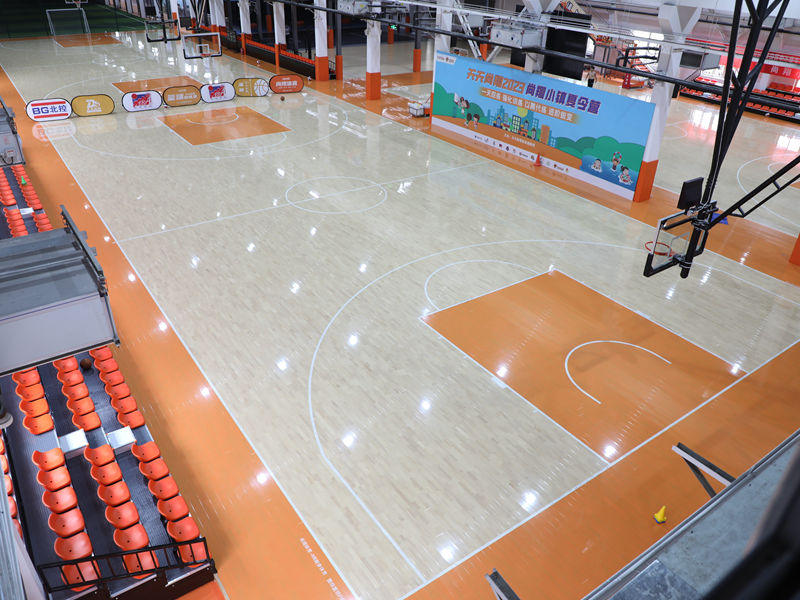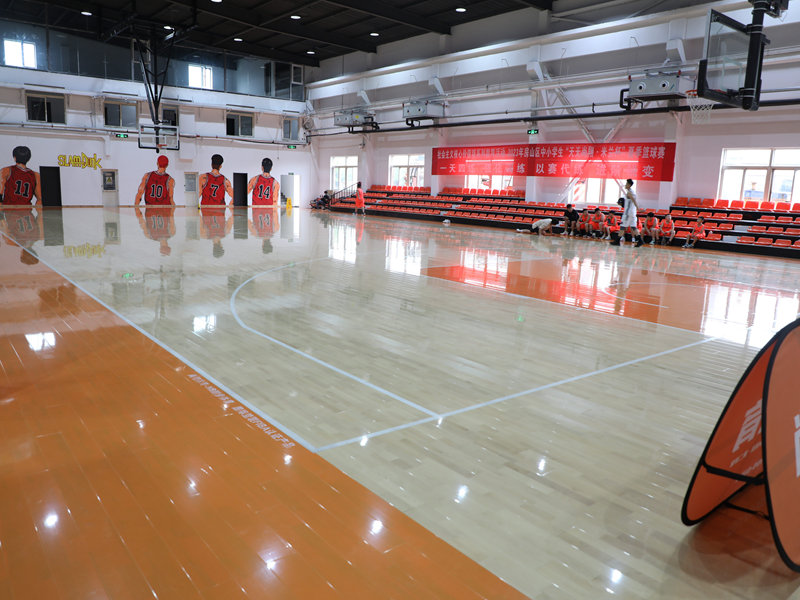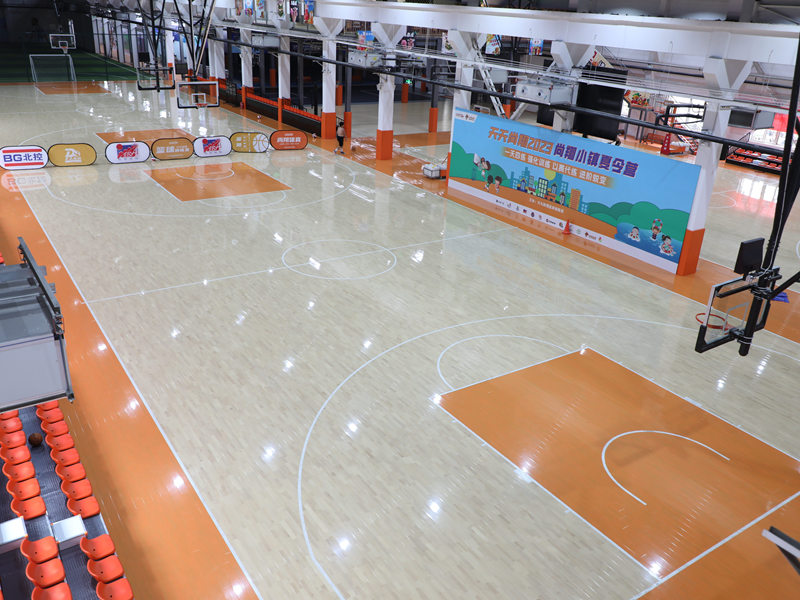
For decades, indoor sports wooden flooring has been defined by two core priorities: athletic performance and visual coherence. Early generations of wooden sports surfaces relied entirely on natural timber grain and hand-painted line markings, a process that was labor-intensive, prone to fading, and limited in creative flexibility. The introduction of modern printing technology marked a paradigm shift, allowing manufacturers to integrate functional markings, decorative patterns, and performance-enhancing layers directly into the flooring structure without compromising the natural properties of solid wood or engineered wood substrates.
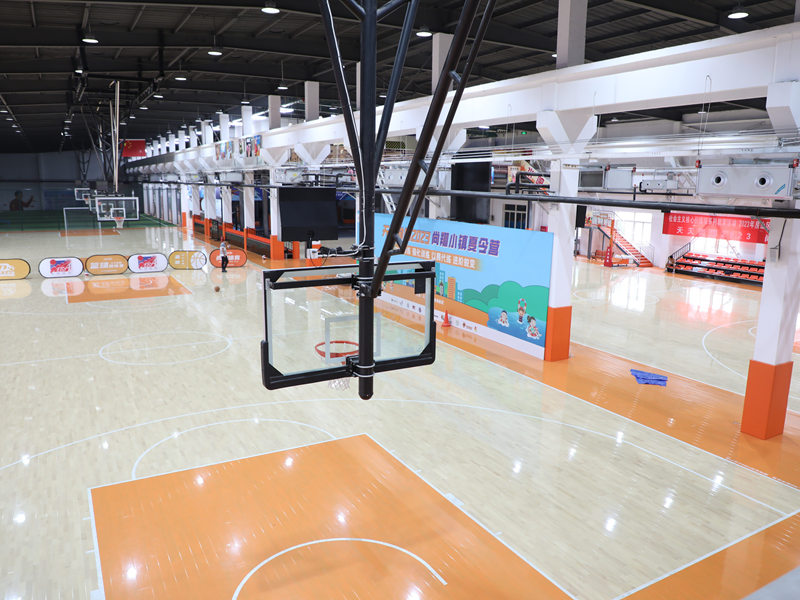
The earliest iterations of this technology used basic screen-printing methods, which applied thick layers of pigment to the top surface of finished flooring planks. While this allowed for more consistent line markings than hand-painting, it created uneven surface textures that interfered with athlete traction, and the printed layers often peeled away after just a few years of heavy foot traffic. As digital printing systems entered the sports flooring industry in the early 2000s, engineers began experimenting with ways to embed printed imagery beneath a transparent wear layer, eliminating direct contact between the ink and athletic footwear. This breakthrough not only extended the lifespan of printed elements but also opened the door to far more complex design possibilities, from subtle grain enhancements that matched the visual texture of rare hardwood species to full-court custom patterns that aligned with the branding identity of major sports venues. Today, printing technology has advanced to the point where it can replicate the micro-texture of natural wood grain at a microscopic level, creating surfaces that look indistinguishable from premium solid timber while offering far greater consistency in color, pattern distribution, and performance characteristics. This evolution has not only improved the functional durability of indoor sports flooring but also transformed the way venue designers approach space planning, allowing them to create environments that support elite athletic competition while reflecting the unique cultural identity of the communities that use them.