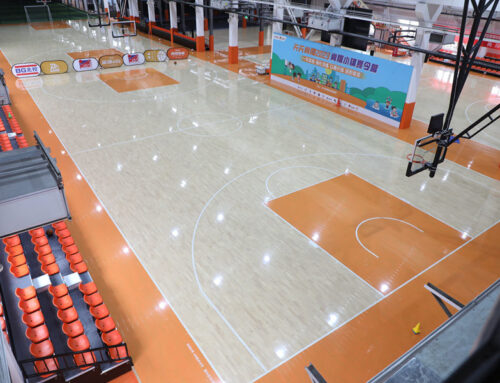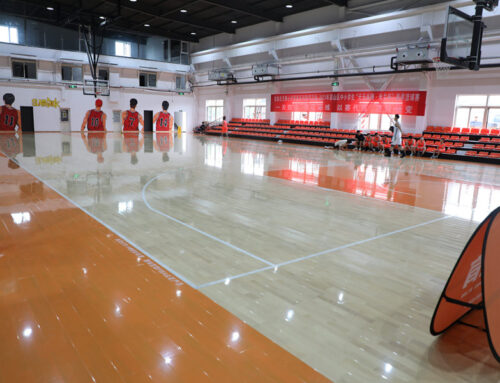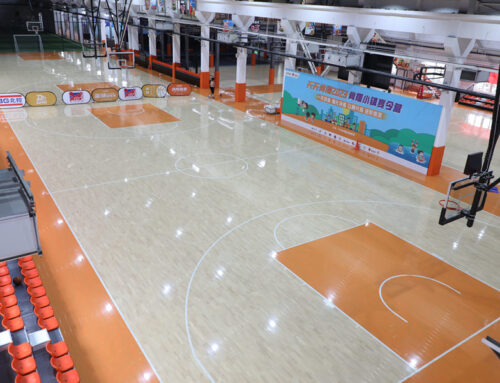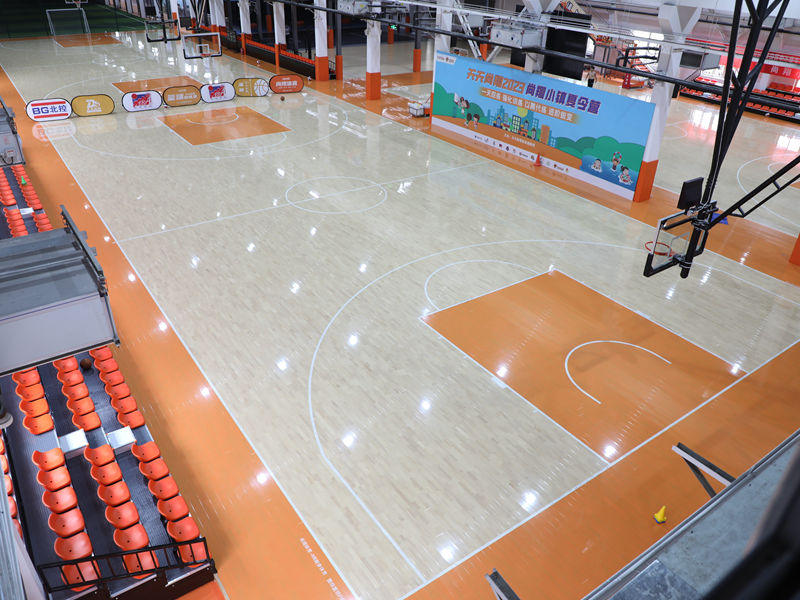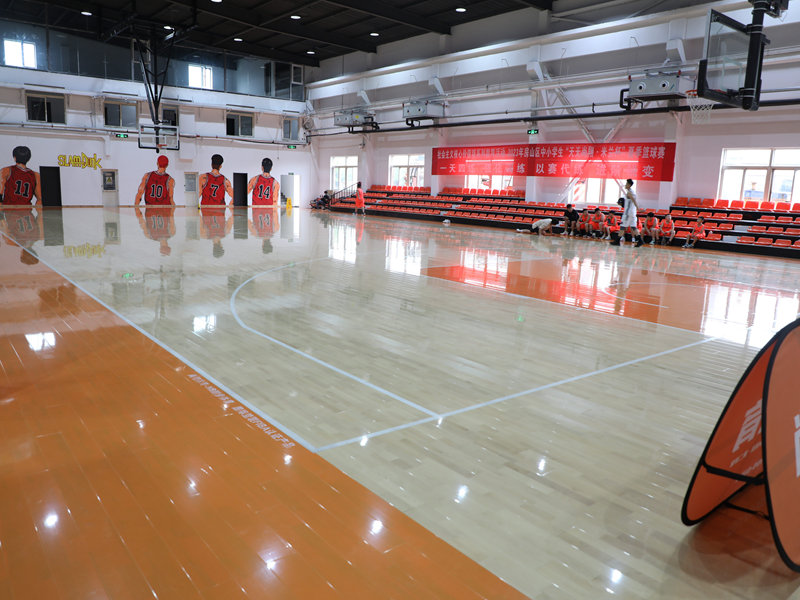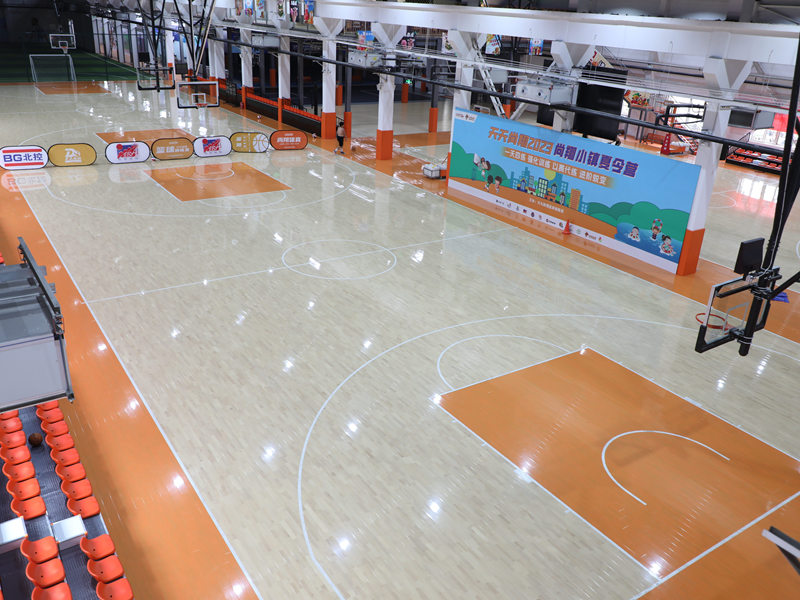
The sustainability narrative surrounding sports wooden flooring has evolved from simple material sourcing considerations to encompass complete lifecycle analysis and circular design principles, with printing technology playing a pivotal role in this transformation. Early sustainability efforts focused primarily on using wood from certified sustainable forests, which addressed the raw material input but did little to improve the environmental impact of manufacturing, installation, use, and eventual disposal. Modern printed modular systems embrace a more comprehensive approach to sustainability that considers every phase of the product lifecycle, using printing technology not just to enhance performance but to minimize environmental impact from initial production through to end-of-life recovery and reuse.
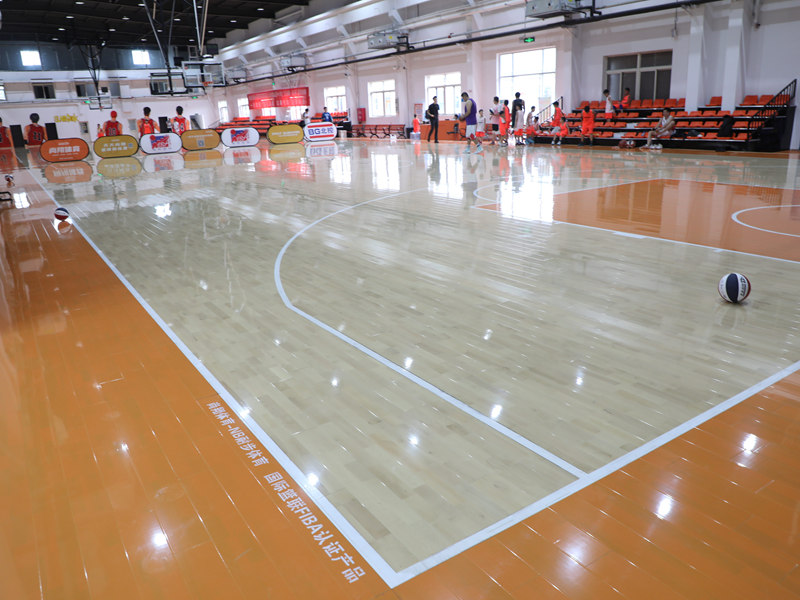
The circular design principles begin with material selection for the printing inks and coatings themselves. Where traditional finishes often relied on petroleum-based resins and solvents with high volatile organic compound emissions, modern formulations use bio-based polymers derived from renewable plant sources, water-based carriers, and pigments with minimal environmental toxicity. These materials are engineered not just for their performance during use but for their behavior at end-of-life, with chemical bonds that can be selectively broken during recycling processes to separate components for recovery. The printing process itself has been optimized for material efficiency, with advanced deposition systems that apply exactly the required amount of material without overspray or waste, a significant improvement over traditional spray application methods that typically waste 30-40% of material through overspray and cleanup.
Modularity enhanced by printing technology contributes significantly to the circular economy potential of modern sports wooden flooring. Because each panel is individually finished with precise printed surfaces, damaged sections can be replaced without affecting the entire installation. This extends the useful life of the overall flooring system far beyond what was possible with traditional continuous finishes, where damage to one area often necessitated complete refinishing or replacement of large sections. The printing technology ensures that replacement panels manufactured years after the original installation will match perfectly, eliminating the aesthetic concerns that previously discouraged partial replacements. This modular approach, combined with the durability of printed surfaces, means that sports wooden flooring systems can now remain in service for decades with only minimal component replacement rather than complete system replacement.
At end-of-life, printed sports wooden flooring systems are designed for disassembly and material recovery rather than disposal. The printing materials are formulated to allow relatively clean separation from the wood substrate through specialized recycling processes, enabling both components to enter appropriate recovery streams. The wood can be chipped and processed into new wood products or used for energy recovery, while the printing materials can be chemically broken down into their constituent components for reuse in new products. Some advanced systems even incorporate printed markers that identify material composition for automated sorting at recycling facilities. This commitment to circular design, enabled by printing technology that allows for material separation and recovery, represents the future of sustainable sports facility construction, where every component is considered not just for its initial performance but for its entire lifecycle environmental impact.