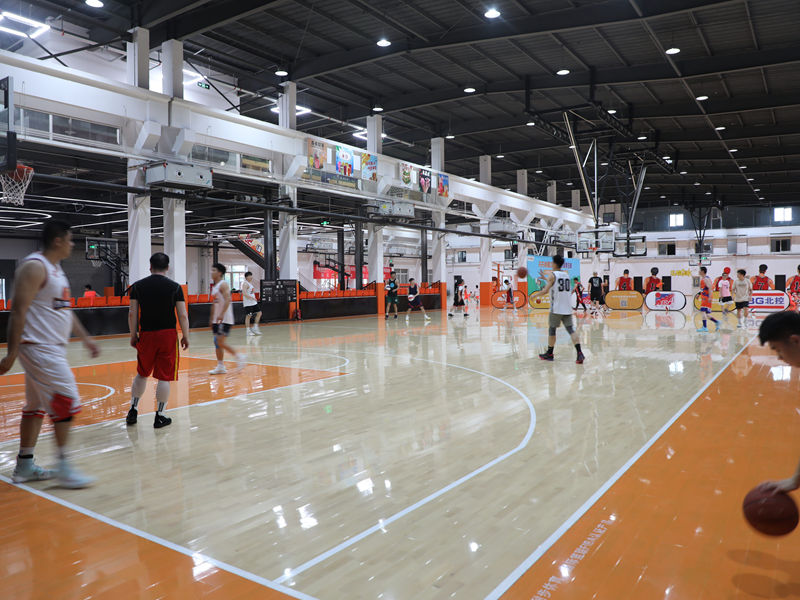
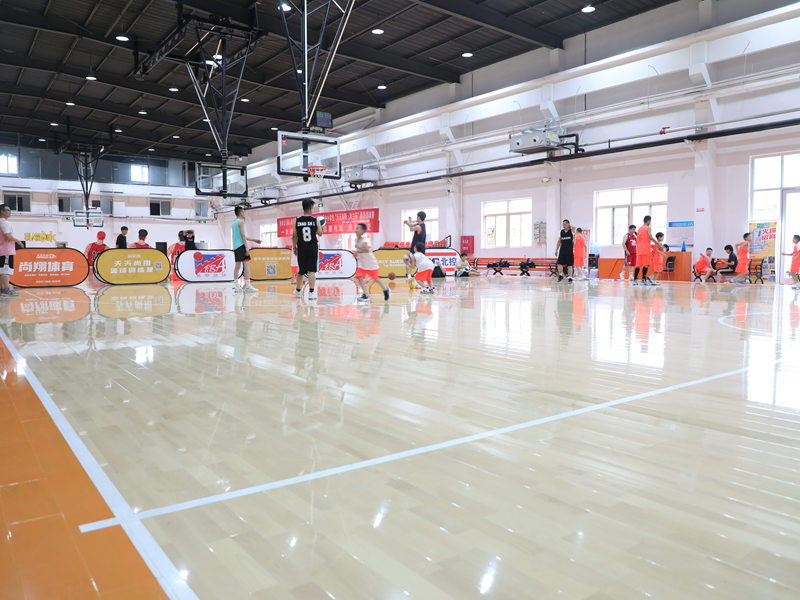
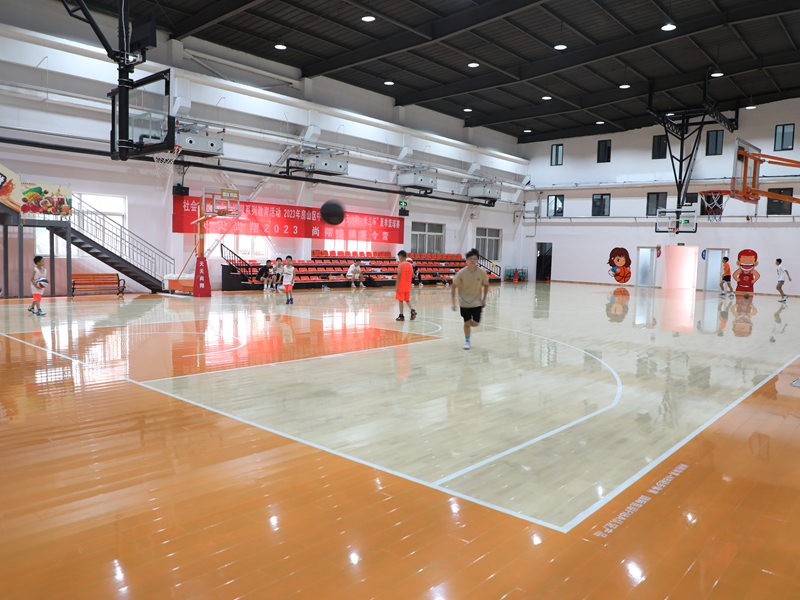
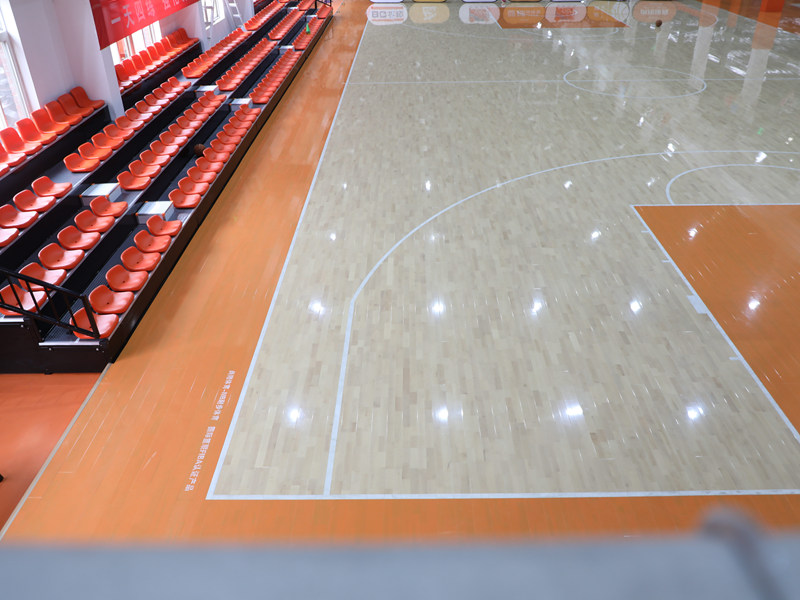
Choosing the right wood species for your indoor sports floor is one of the most important decisions you will make in the design and construction of your facility. The species you select will affect everything from the look and feel of the court to the performance characteristics, the durability, and the cost. While there are many wood species that can be used for sports flooring, three stand above the rest: maple, oak, and beech.
In this article, we will take a deep dive into each of these three species, comparing them across every dimension that matters for indoor sports applications.

Hard Maple (Acer saccharum): The King of Sports Flooring
Hard maple, also known as sugar maple or rock maple, is the undisputed king of indoor sports flooring. It is the species used by the NBA, the NCAA, FIBA, and virtually every professional basketball league in the world. If you have ever watched a professional basketball game on television, you have seen a maple floor.
Hardness and Durability: Hard maple has a Janka hardness rating of approximately 1,450 pounds, making it one of the hardest domestic wood species available. This extreme hardness means that maple is highly resistant to denting, scratching, and wear. In a high-traffic basketball court where players are constantly running, jumping, and sliding, this durability is essential. A maple floor can withstand decades of abuse without showing significant signs of wear.
Appearance: Maple has a light, creamy color with a subtle, even grain pattern. This clean, bright appearance is what gives professional basketball courts their iconic look. The light color also makes the court lines and markings highly visible, which is important for both players and broadcast cameras.
Performance: Maple provides excellent shock absorption and energy return, meeting all the performance standards set by major sports organizations. Its consistent density ensures uniform ball bounce across the entire surface, which is critical for competitive play.
Cost: Maple is the most expensive of the three species. Prices for select-grade hard maple can range from 8to15 per square foot for material alone. The high cost is justified by its superior performance and appearance, but it may be prohibitive for some facilities with limited budgets.
Availability: Hard maple is widely available in North America, which helps keep costs somewhat reasonable compared to imported species. However, the best-quality maple (with tight grain and minimal defects) can be difficult to source, and prices have been rising in recent years due to high demand.
Red Oak (Quercus rubra): The Versatile Workhorse
Red oak is the second most popular species for indoor sports flooring, and for good reason. It offers an excellent balance of performance, appearance, and cost, making it ideal for multipurpose gymnasiums, school facilities, and recreational centers.
Hardness and Durability: Red oak has a Janka hardness of approximately 1,290 pounds, which is about 11% softer than hard maple. While it is not quite as resistant to denting and scratching as maple, it is still a very hard and durable wood. For facilities that host a variety of sports (basketball, volleyball, badminton, etc.) rather than just one, red oak is more than adequate.
Appearance: Red oak has a more pronounced grain pattern than maple, with visible pores and a warmer, more traditional wood tone. The color ranges from light tan to medium brown, with occasional pinkish hues. This gives red oak floors a more “natural” look compared to the clean, uniform appearance of maple. Some people prefer this look, while others find the grain pattern distracting.
Performance: Red oak performs very well as a sports floor. Its shock absorption and ball bounce characteristics are comparable to maple, though some purists argue that maple is slightly more consistent. For most recreational and school-level applications, the difference is negligible.
Cost: Red oak is significantly more affordable than maple. Material costs typically range from 6to10 per square foot, making it an attractive option for facilities that want a high-quality wood floor without the premium price tag of maple.
Availability: Red oak is extremely abundant in North America and is one of the most commonly harvested hardwood species. This abundant supply keeps prices stable and ensures consistent availability.
White Oak (Quercus alba): The Premium Alternative
White oak is often confused with red oak, but it is a distinct species with its own unique characteristics. White oak is slightly harder than red oak (Janka hardness of about 1,360 pounds) and has a more refined grain pattern.
Hardness and Durability: White oak is harder and more dense than red oak, making it more resistant to wear and moisture. This makes it a good choice for facilities in humid climates or for courts that may be exposed to spills and moisture.
Appearance: White oak has a more subtle grain pattern than red oak, with a lighter color and fewer visible pores. It looks more similar to maple than red oak does, which makes it a popular choice for facilities that want a maple-like appearance at a lower cost.
Performance: White oak performs comparably to red oak and is suitable for all indoor sports applications. Its slightly higher density gives it marginally better shock absorption.
Cost: White oak is more expensive than red oak but less expensive than maple. Material costs typically range from 7to12 per square foot.
Beech (Fagus sylvatica): The European Favorite
Beech is the most commonly used wood species for sports flooring in Europe. It is the standard for FIBA basketball courts, EHF handball courts, and CEV volleyball courts. In North America, beech is less common but is gaining popularity as a cost-effective alternative to maple.
Hardness and Durability: Beech has a Janka hardness of approximately 1,300 pounds, which is very close to red oak. It is a hard, dense wood that performs well under the demands of indoor sports. However, it is slightly less hard than maple, which means it may show wear a bit sooner in high-traffic applications.
Appearance: Beech has a very light, almost white color with a fine, even grain pattern. It looks remarkably similar to maple, which is why it is often used as a maple substitute. The main difference is that beech has a slightly more “silky” texture and a less pronounced grain.
Performance: Beech meets all the performance standards for professional sports flooring. Its ball bounce, shock absorption, and friction characteristics are comparable to maple. Many European professional athletes prefer beech over maple for its slightly softer feel, which they find more comfortable on the joints.
Cost: Beech is generally less expensive than maple, with material costs ranging from 5to10 per square foot depending on the grade and source. European beech (from France, Germany, or Eastern Europe) tends to be less expensive than North American hard maple.
Availability: Beech is widely available in Europe but must be imported to North America, which adds to the cost. However, the quality of European beech is excellent, and it is a proven performer in the most demanding professional environments.
Head-to-Head Comparison
| Characteristic | Hard Maple | Red Oak | White Oak | Beech |
|---|---|---|---|---|
| Janka Hardness | 1,450 lbs | 1,290 lbs | 1,360 lbs | 1,300 lbs |
| Appearance | Light, uniform | Warm, pronounced grain | Light, subtle grain | Very light, fine grain |
| Ball Bounce | Excellent | Very Good | Very Good | Excellent |
| Shock Absorption | Excellent | Very Good | Very Good | Excellent |
| Durability | Excellent | Very Good | Very Good | Very Good |
| Cost (per sq ft) | 8−15 | 6−10 | 7−12 | 5−10 |
| Best For | Professional basketball | Multipurpose, schools | Humid climates, premium look | European-style courts, budget maple alternative |
Which Species Should You Choose?
The answer depends on your specific needs:
If you are building a professional basketball arena or a facility that will host high-level competition, hard maple is the clear choice. It is the standard, it performs the best, and it looks the most professional.
If you are building a multipurpose gymnasium for a school or community center, red oak offers the best value. It performs well, looks good, and costs significantly less than maple.
If you are in a humid climate or want a more refined look than red oak, white oak is an excellent choice. It is more moisture-resistant and has a more elegant appearance.
If you want a maple-like appearance at a lower cost, or if you are building a facility to European standards, beech is a fantastic option. It performs at a professional level and costs less than maple.
No matter which species you choose, the key is to work with a reputable supplier and installer who can ensure that the wood is properly graded, finished, and installed to meet the performance standards required for your sports.