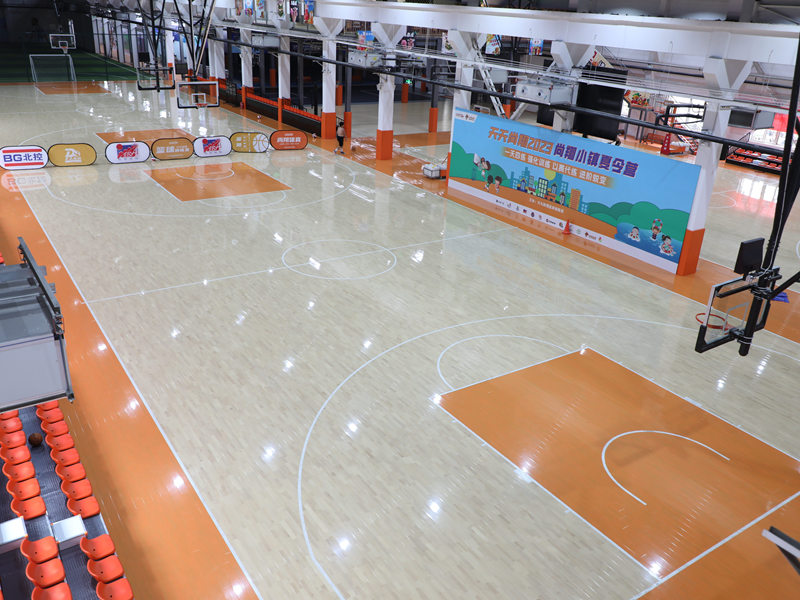
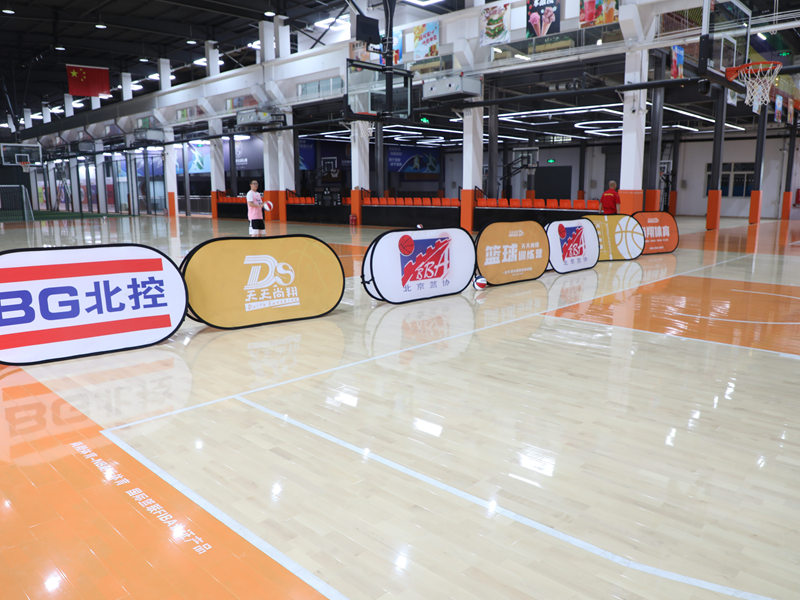
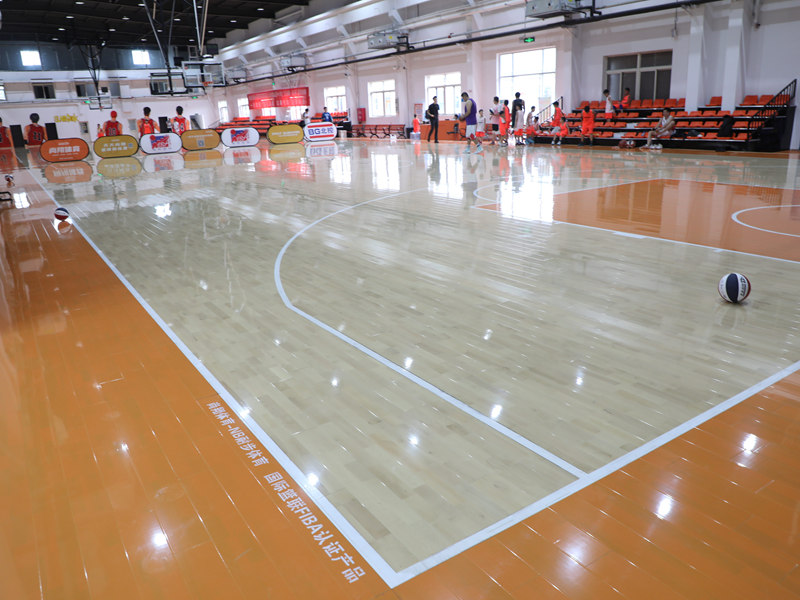
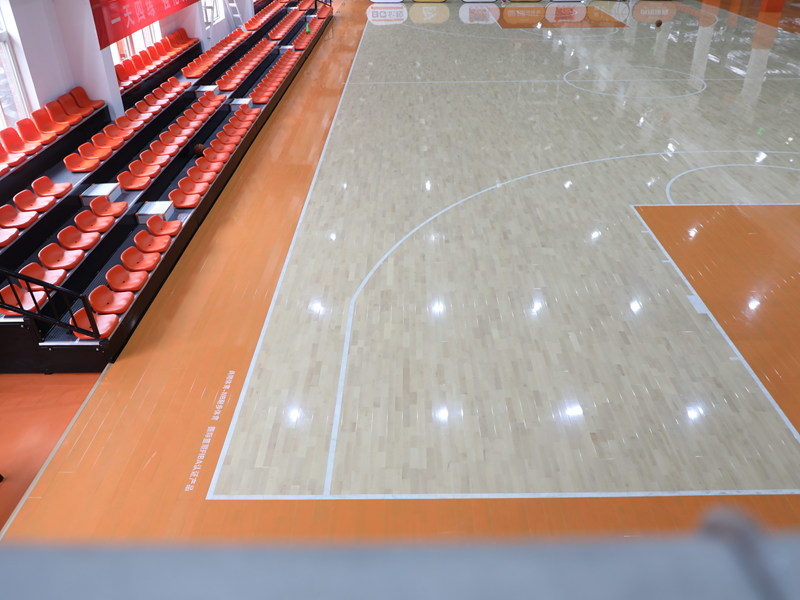
For years, the debate between wood and synthetic flooring for indoor sports has been ongoing. Manufacturers of vinyl, rubber, and polypropylene tiles have made significant strides in recent years, producing products that look good, feel decent, and perform reasonably well. However, when you look at the science, the data, and the real-world experience of professional athletes and facility managers, indoor sports wooden flooring consistently comes out on top.

This article explores the scientific reasons why wood remains the superior choice for indoor sports applications, covering everything from biomechanics and material science to environmental performance and long-term durability.
The Biomechanics of Athletic Performance on Wood
When an athlete runs on a sports floor, their foot strikes the surface with a force that can be two to three times their body weight. In jumping sports like basketball and volleyball, the impact forces can be even higher, reaching four to six times body weight during landing. The way the floor responds to these forces has a direct impact on the athlete’s performance, comfort, and injury risk.
Wood is a natural material with a cellular structure that allows it to absorb and dissipate energy in a way that is uniquely suited to athletic movement. When a foot strikes a wood floor, the surface deforms slightly, absorbing a portion of the impact energy. The wood then springs back, returning a portion of that energy to the athlete. This combination of shock absorption and energy return is what scientists call the “resilience” of the material, and wood has one of the best resilience profiles of any flooring material.
The key metric here is the vertical deformation of the floor. According to the DIN 18032 standard used in Europe and the ASTM F2772 standard used in North America, a sports wood floor should deform between 2.3mm and 5.3mm under a standardized load. This range provides optimal shock absorption without compromising the stability and responsiveness that athletes need.
Synthetic floors, by contrast, tend to be either too hard (providing little shock absorption) or too soft (absorbing too much energy and making the surface feel “dead”). Vinyl floors, for example, often have a vertical deformation that is either below the optimal range (too hard) or above it (too soft), depending on the product. Rubber floors can be tuned to the right range, but they often lack the energy return that wood provides, making athletes feel like they are running through mud.
Ball Bounce: The Physics of Wood vs. Synthetic
One of the most critical performance factors in sports like basketball, volleyball, and handball is ball bounce consistency. The ball bounce height is governed by the coefficient of restitution (COR), which measures the ratio of the ball’s rebound velocity to its impact velocity. A higher COR means a higher bounce.
The NBA specifies that the ball bounce on a regulation court should be between 49 and 54 inches when dropped from a height of 72 inches. This translates to a COR of approximately 0.75 to 0.80. Wood floors, particularly maple, consistently achieve this range with remarkable consistency across the entire playing surface.
Synthetic floors struggle to match this performance. Vinyl floors can produce a COR that is within the acceptable range, but the bounce tends to vary across the surface due to temperature differences, seams between tiles, and wear patterns. Rubber floors often produce a lower COR, resulting in a “dead” bounce that affects gameplay. Polypropylene tiles can be engineered to perform well, but they are still not as consistent as wood, especially over time as the surface wears.
The reason wood excels at ball bounce is its uniformity. A solid hardwood floor is one continuous surface with no seams, no joints, and no variation in density. Every square inch of the floor has the same physical properties, which means the ball behaves the same way no matter where it hits the surface. Synthetic floors, by their nature, are made up of individual tiles or sheets that are joined together, and these joints create microscopic variations that affect ball behavior.
Surface Friction and Traction
Another critical factor in sports flooring is the coefficient of friction (COF), which measures how much grip the surface provides. Too little friction and athletes will slip. Too much friction and they will not be able to change direction quickly, increasing the risk of knee and ankle injuries.
The ideal COF for indoor sports flooring is between 0.4 and 0.6, according to most sports governing bodies. Wood floors, when properly finished, consistently fall within this range. The polyurethane finish on a wood floor provides a smooth but grippy surface that allows athletes to accelerate, decelerate, and change direction with confidence.
Synthetic floors can also achieve the right COF, but they tend to be more sensitive to moisture and contamination. A wet vinyl floor can become extremely slippery, while a dusty rubber floor can become too grippy. Wood floors are more forgiving in these situations, maintaining a relatively consistent COF even when the surface is slightly damp or dirty.
Temperature Regulation
One of the lesser-known advantages of wood flooring is its thermal properties. Wood is a natural insulator, meaning it does not transfer heat as quickly as metal, concrete, or synthetic materials. This has several benefits for indoor sports facilities:
First, wood floors are more comfortable to play on. They do not feel cold in the winter or hot in the summer the way concrete or tile floors can. This comfort factor may seem minor, but it can have a real impact on athlete performance, especially in facilities that are not climate-controlled.
Second, wood floors help regulate the indoor environment. Because they do not radiate heat or cold as aggressively as other materials, they can help reduce the load on HVAC systems, leading to energy savings over time.
Synthetic floors, particularly vinyl and rubber, can trap heat and create a “greenhouse effect” under the surface, especially in facilities with poor ventilation. This can make the playing surface uncomfortably warm and can also accelerate the degradation of the floor material itself.
Acoustic Performance
Indoor sports facilities are noisy places. The sound of shoes squeaking on the floor, balls bouncing, and players communicating can create a cacophony that is unpleasant for both athletes and spectators. The acoustic properties of the floor play a significant role in managing this noise.
Wood floors, particularly when installed over a proper underlayment system, provide excellent sound absorption. The natural cellular structure of wood dampens sound waves, reducing the echo and reverberation that make indoor spaces feel loud and chaotic. Many professional arenas use wood floors specifically for their acoustic benefits, as they create a more pleasant environment for players and fans alike.
Synthetic floors tend to be more reflective acoustically. Vinyl and rubber floors can amplify sound, making the facility louder and more echoey. While acoustic underlayments can help mitigate this issue, they add to the cost and complexity of the installation.
Environmental and Health Considerations
From an environmental perspective, wood is a renewable resource. When sourced from responsibly managed forests (look for FSC or PEFC certification), wood flooring has a much lower environmental impact than synthetic alternatives, which are made from petroleum-based plastics that take hundreds of years to decompose.
Wood also contributes to better indoor air quality. Unlike vinyl floors, which can off-gas volatile organic compounds (VOCs) for years after installation, properly finished wood floors emit very low levels of VOCs. Water-based polyurethane finishes have virtually zero VOC emissions, making them an excellent choice for facilities that prioritize health and sustainability.
Synthetic floors can also harbor bacteria and allergens in their seams and textures. While they are easy to clean on the surface, the joints between tiles can trap dirt, moisture, and microorganisms, creating a potential health hazard. Wood floors, being a continuous surface with no joints, are much easier to keep hygienic.
Durability: The Long Game
Perhaps the most compelling scientific argument for wood flooring is its durability. A solid hardwood sports floor can be sanded and refinished multiple times over its lifetime. Each refinishing removes a thin layer of wood (typically 1/32 to 1/16 inch) and applies a fresh coat of finish, effectively renewing the surface.
A maple floor that is 3/4 inch thick can be refinished six to ten times over a 40 to 50 year lifespan. This means that the floor you install today can look and perform like new for decades, without the need for replacement.
Synthetic floors do not have this advantage. Once they wear out, they must be replaced entirely. The typical lifespan of a vinyl sports floor is 10 to 15 years, and a rubber floor is 15 to 20 years. Over a 40-year period, you would need to replace a synthetic floor two to four times, while a wood floor would only need to be refinished two to four times. When you factor in the cost of materials, labor, and downtime for each replacement, wood flooring is often the more economical choice in the long run.
Conclusion
The science is clear: indoor sports wooden flooring offers superior performance in virtually every measurable category. From biomechanics and ball physics to acoustics, thermal regulation, and long-term durability, wood outperforms synthetic alternatives. While synthetic floors have their place in certain applications, for any facility that takes athletic performance seriously, wood remains the undisputed champion.