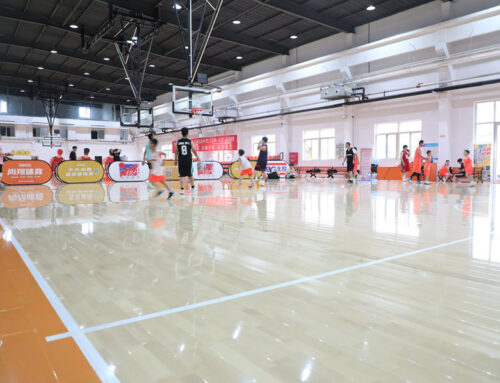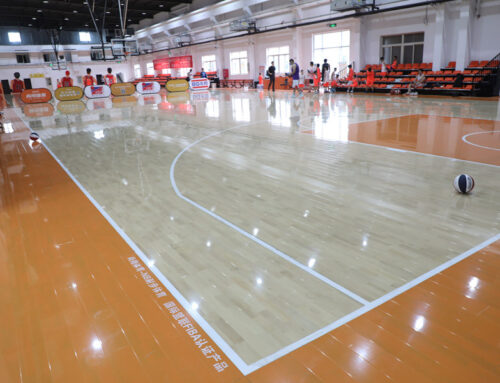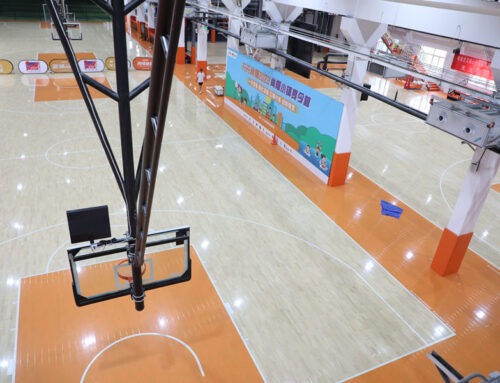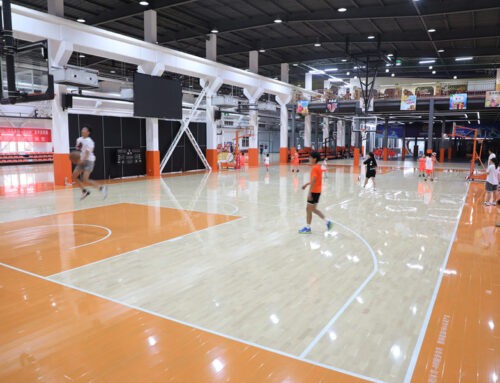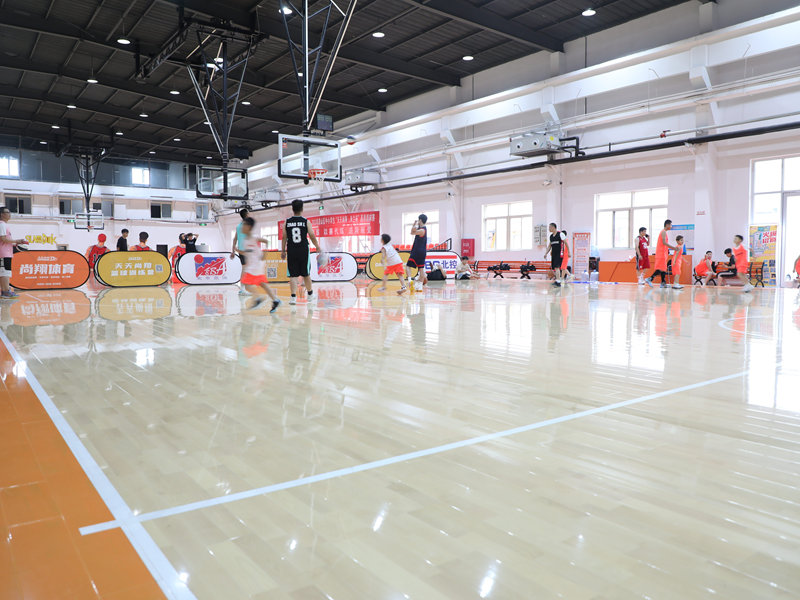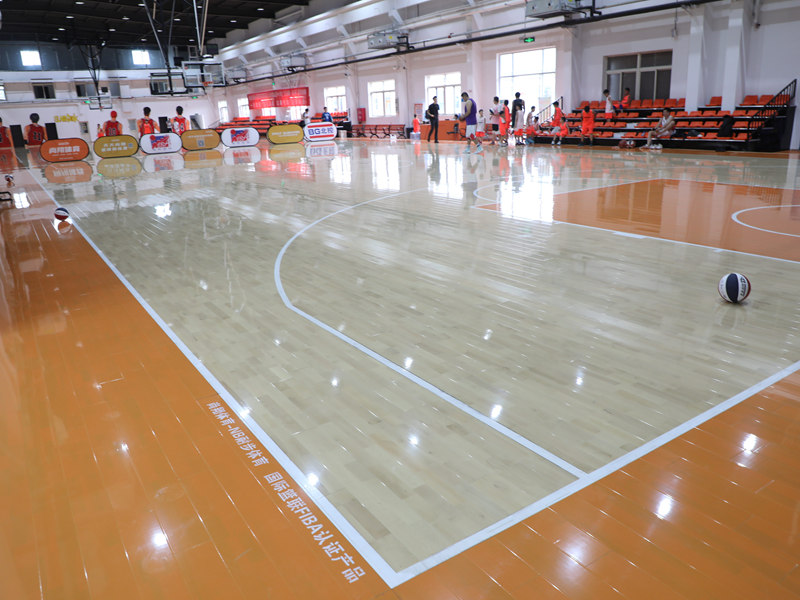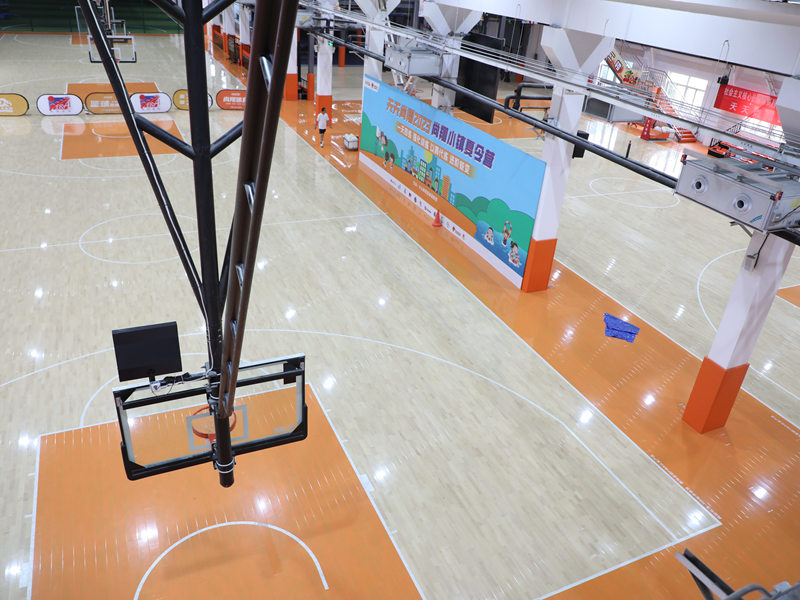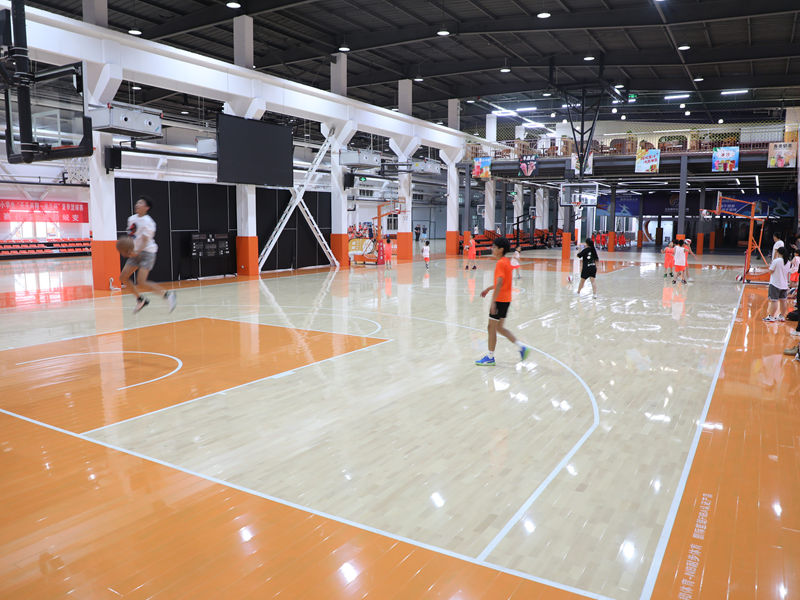
The world of indoor sports wooden flooring is evolving rapidly. New technologies, new materials, and new standards are emerging that will change the way we think about sports floors in the coming years. In this article, we will explore the most exciting trends and innovations shaping the future of indoor sports wooden flooring.
Trend 1: Smarter Floors with Embedded Technology
One of the most exciting developments in sports flooring is the integration of technology directly into the floor surface. Companies are now developing wood floors with embedded sensors that can track:
Player movement and positioning: Using pressure sensors or optical tracking systems embedded in the floor, coaches and analysts can get real-time data on where players are on the court, how fast they are moving, and how much distance they cover during a game or practice.
Ball tracking: Sensors in the floor can detect the exact location and speed of the ball, providing data that is more accurate than camera-based systems.
Impact forces: Force sensors can measure the impact forces on the floor during jumps and landings, helping to monitor player load and reduce injury risk.
Floor condition: Moisture and temperature sensors can alert facility managers to potential problems before they become serious.
While this technology is still in its early stages, it is expected to become mainstream in professional sports facilities within the next five to ten years. Imagine a basketball court that can tell you exactly how much force LeBron James puts on the floor during a dunk, or a volleyball court that tracks the ball’s trajectory with millimeter precision. The future of sports flooring is smart.
Trend 2: Advanced Finish Technologies
The finish on a sports wood floor is what gives it its performance characteristics, and finish technology is advancing rapidly.
Nanotechnology finishes: New finishes are and reducing maintenance costs. While this technology is still experimental, it could revolutionize sports floor maintenance.
Anti-microbial finishes: New finishes incorporate silver ions or other antimicrobial agents that kill bacteria and viruses on contact. This technology became especially important during the COVID-19 pandemic and is expected to become standard in sports facilities going forward.
Low-friction finishes for specific sports: New finishes are being developed that can be tuned to provide the exact coefficient of friction needed for a specific sport. A basketball floor could have a different friction profile than a dance floor, even on the same wood surface, by applying different finish zones.
Trend 3: Sustainable and Bio-Based Materials
The push for sustainability is driving innovation in wood flooring materials.
Bio-based polyurethane: Traditional polyurethane is made from petroleum. New bio-based polyurethane is made from plant oils (such as soybean oil or castor oil), reducing the carbon footprint of the finish by up to 50%.
Bamboo sports flooring: Bamboo is one of the fastest-growing plants on earth, making it an extremely sustainable alternative to traditional hardwood. Bamboo sports flooring is already available and is gaining popularity, especially in Asia. It is extremely hard (harder than maple) and has a unique, attractive appearance.
Reclaimed wood: Using reclaimed wood from old buildings, barns, or factories is becoming increasingly popular for sports floors. Reclaimed wood has a unique character and history, and using it reduces the demand for new timber. Some professional facilities have installed reclaimed wood floors and environmental impact of wood flooring in the future.
Trend 4: Modular and Portable Systems
The demand for flexible, multipurpose spaces is driving the development of modular sports floor systems. These systems consist of prefabricated wood floor panels that can be quickly installed, removed, and reconfigured to create different court layouts.
Interlocking wood tiles: New interlocking wood tile systems allow you to create a temporary basketball court, volleyball court, or dance floor in a matter of hours. These systems are ideal for schools, community centers, and event spaces that need to switch between different uses.
Roll-out wood floors: Some manufacturers are developing roll-out wood floor systems that can be unrolled over an existing surface, creating a temporary sports floor without the need for a permanent subfloor. This technology is still emerging but has enormous potential.
Trend 5: Enhanced Subfloor Systems
The subfloor is the unsung hero of sports flooring, and new subfloor technologies are improving performance and sustainability.
Recycled rubber subfloors: Subfloors made from recycled tires are becoming more common. They provide excellent shock absorption and sound dampening while diverting waste from landfills.
3D-printed subfloors: Some manufacturers are experimenting with 3D-printed subfloor components that can be customized to the exact specifications of the facility, optimizing performance and reducing material waste.
Hybrid subfloors: New hybrid subfloor systems combine wood, foam, and recycled materials to create a subfloor that is lighter, more stable, and more sustainable than traditional plywood.
Trend 6: The Rise of European Standards in North America
Historically, North American sports flooring has been dominated by NBA and NCAA standards, which favor maple. However, European standards (DIN 18032, EN 14904) are gaining influence in North America, bringing with them a broader range of acceptable species and construction methods.
This trend is good news for facility owners who want more options. Beech, oak, and ash are all acceptable under European standards, giving North American buyers more choices and potentially lower costs.
What to Expect in the Next 10 Years
Over the next decade, we can expect:
Smart floors with embedded sensors to become standard in professional facilities.
Bio-based finishes to replace petroleum-based polyurethane as the default option.
Bamboo and reclaimed wood to become mainstream alternatives to traditional hardwood.
Modular floor systems to make it easier than ever to create multipurpose spaces.
European standards to influence North American specifications, broadening the range of acceptable materials.
Sustainability to become the primary driver of purchasing decisions, with FSC certification becoming a requirement rather than a nice-to-have.
Conclusion
The future of indoor sports wooden flooring is bright, innovative, and sustainable. New technologies are making floors smarter, more durable, and more environmentally friendly than ever before. Whether you are building a new facility or renovating an existing one, the options available today and in the near future will allow you to create a sports floor that is not only great for athletes but also great for the planet. The game is changing, and wood is leading the way.