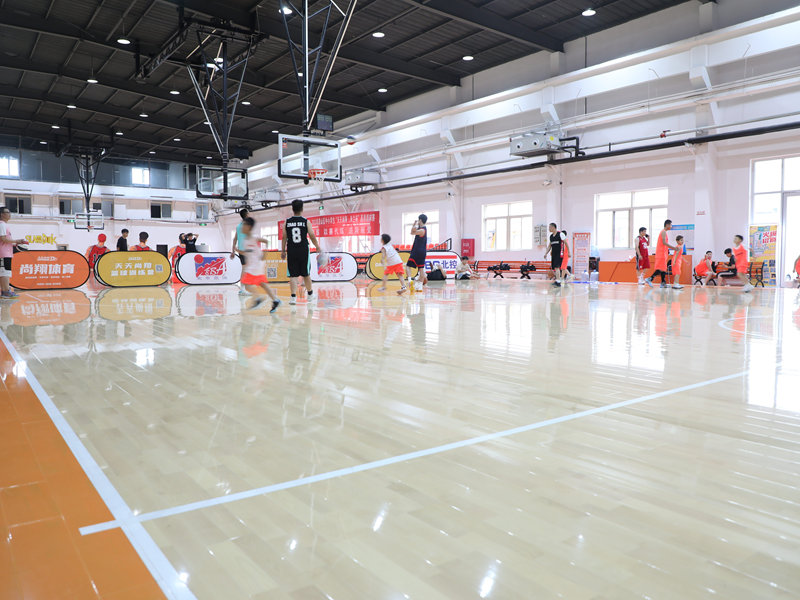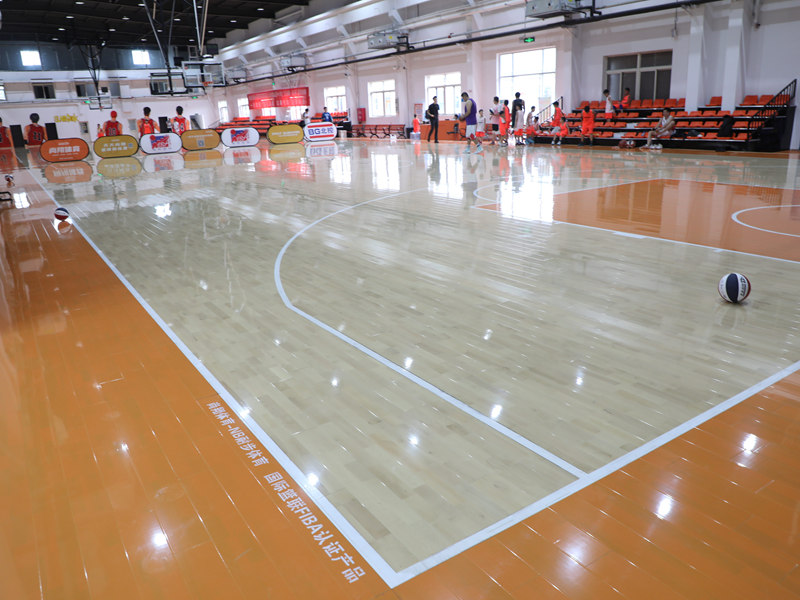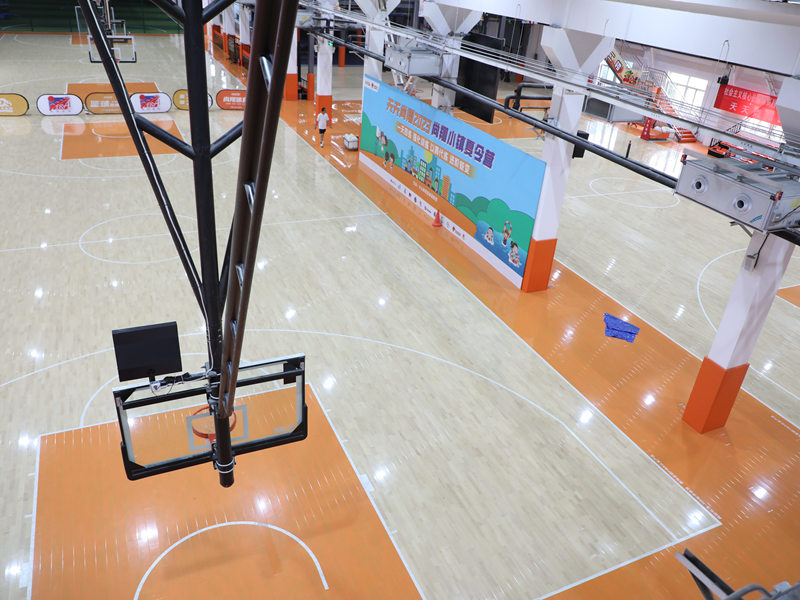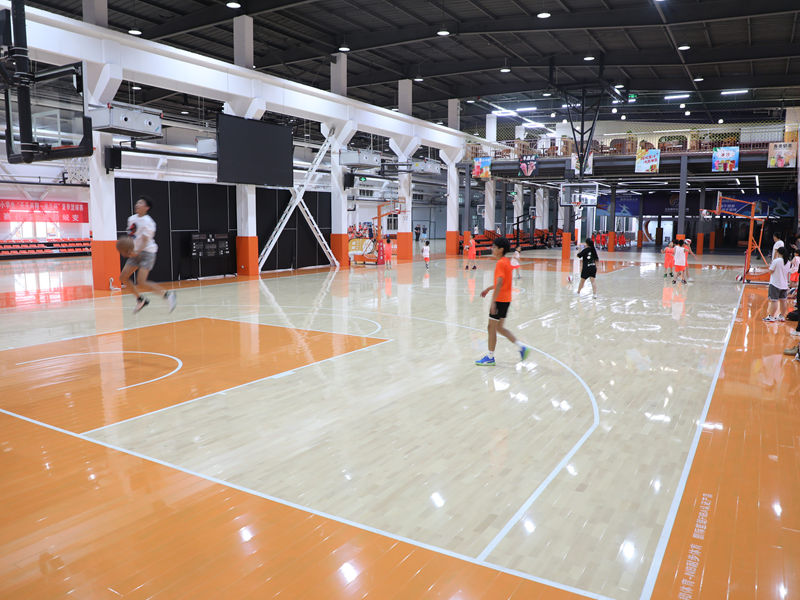
One of the first questions anyone asks when considering indoor sports wooden flooring is: “How much does it cost?” The answer, unfortunately, is not simple. The cost of a sports wood floor depends on a dozen or more variables, and the range can be enormous, from as low as 8persquarefoottoashighas30 per square foot or more.
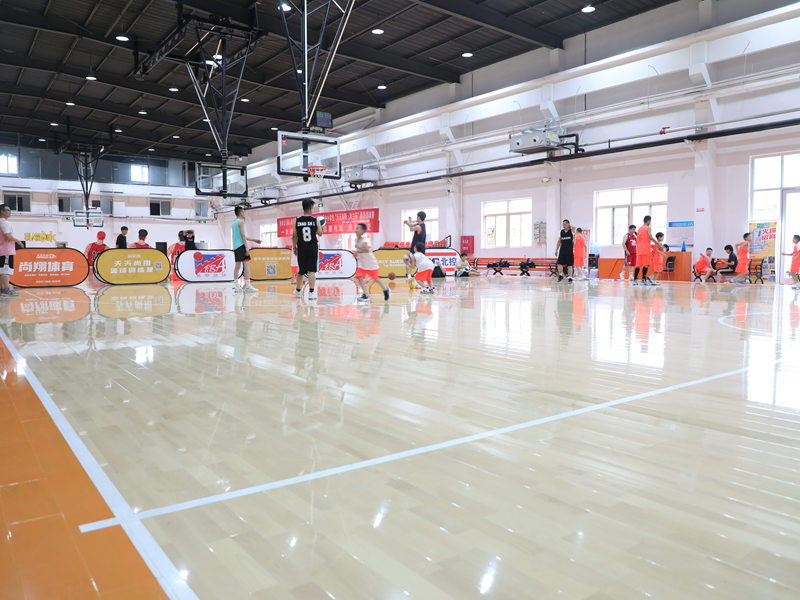
In this article, we will break down every cost factor so you can budget accurately and make an informed decision.
Material Costs: The Wood Itself
The cost of the wood is the largest single component of the total cost, and it varies significantly by species, grade, and source.
Hard Maple (Select Grade): 8to15 per square foot. This is the premium option used by the NBA and NCAA. Select grade maple has a clean, uniform appearance with minimal defects.
Hard Maple (No. 1 Common): 6to10 per square foot. Slightly more natural variation, but still very attractive.
Hard Maple (No. 2 Common): 5to8 per square foot. The most economical maple option, with more knots and grain variation.
Red Oak (Select Grade): 6to10 per square foot.
Red Oak (No. 1 Common): 5to8 per square foot.
Red Oak (No. 2 Common): 4to6 per square foot.
White Oak: 7to12 per square foot.
Beech: 5to10 per square foot, depending on the source (European beech is typically less expensive than North American maple).
Birch: 4to7 per square foot. A budget-friendly alternative to maple.
Ash: 5to8 per square foot.
Thickness and Construction
The thickness and construction of the planks also affect cost:
Solid hardwood (3/4 inch): 1to3 more per square foot than engineered, but offers the ability to be refinished multiple times.
Engineered hardwood (1/2 inch): Less expensive upfront, but limited refinishing options.
Thicker planks (7/8 inch): 1to2 more per square foot than standard 3/4 inch, but provide a more luxurious feel and greater durability.
Finish Costs
The finish system adds to the material cost:
Standard polyurethane (3 sealer coats + 2 finish coats): Included in the base price of most sports flooring.
Premium UV-cured polyurethane: 0.50to1.00 per square foot more than standard.
Water-based finish: 0.25to0.50 per square foot more than oil-based, but better for indoor air quality.
Oil finish (Danish oil, tung oil): 0.50to1.00 per square foot less than polyurethane, but requires more maintenance.
Installation Costs
Installation is typically the second-largest cost component, and it varies by region, complexity, and method:
Nail-down installation: 4to8 per square foot. This is the most common method for solid hardwood and requires the most skill.
Floating installation: 3to6 per square foot. Faster and less labor-intensive, but requires a perfectly flat subfloor.
Glue-down installation: 5to9 per square foot. The most labor-intensive method, used for maximum performance.
Subfloor preparation: 2to5 per square foot. This includes moisture testing, leveling, vapor barrier installation, and shock pad installation.
Additional Costs
There are several additional costs that are often overlooked:
Line painting: 1to3 per square foot, depending on the number of sports and the complexity of the markings.
Expansion gaps and trim: 0.50to1.00 per linear foot.
Moisture management system: 1to3 per square foot, if required by the subfloor conditions.
Removal of existing flooring: 1to3 per square foot, if you are replacing an old floor.
Shipping: 0.25to0.75 per square foot, depending on the distance from the supplier.
Total Cost Estimates
Here are some realistic total cost estimates for common scenarios:
Budget recreational gym (birch or No. 2 maple, floating installation): 12to18 per square foot installed.
Mid-range school gymnasium (red oak, nail-down installation): 18to25 per square foot installed.
High-end community center (white oak or beech, nail-down installation): 22to30 per square foot installed.
Professional basketball arena (select maple, glue-down installation): 28to40 per square foot installed.
For a standard basketball court (approximately 4,700 square feet of playing surface), the total installed cost would be:
Budget: 56,000to85,000
Mid-range: 85,000to118,000
High-end: 103,000to141,000
Professional: 132,000to188,000
How to Save Money Without Sacrificing Quality
Choose a lower grade. No. 1 Common or No. 2 Common wood looks great and performs just as well as Select grade, at a fraction of the cost.
Consider red oak or beech instead of maple. These species offer excellent performance at a lower price.
Opt for engineered hardwood if the budget is tight. Just be aware of the limited refinishing options.
Get multiple quotes from reputable installers. Prices can vary by 20% or more between contractors.
Plan ahead. Ordering materials well in advance can save money, especially for hard-to-source species like select maple.
Conclusion
Indoor sports wooden flooring is an investment, but it is one of the best investments you can make in a sports facility. The cost varies widely depending on your choices, but even the most budget-friendly wood floor will outperform synthetic alternatives in every measurable category. By understanding the cost factors and making smart choices, you can get a world-class sports floor at a price that fits your budget.