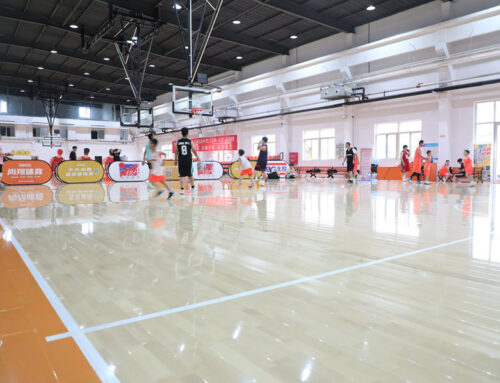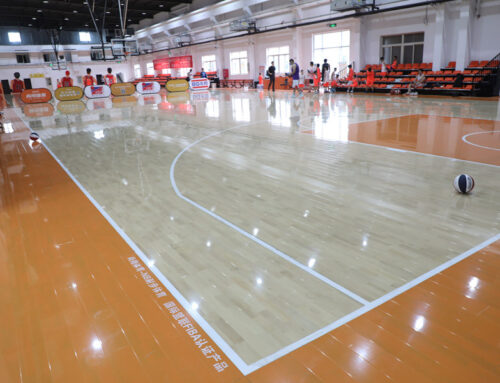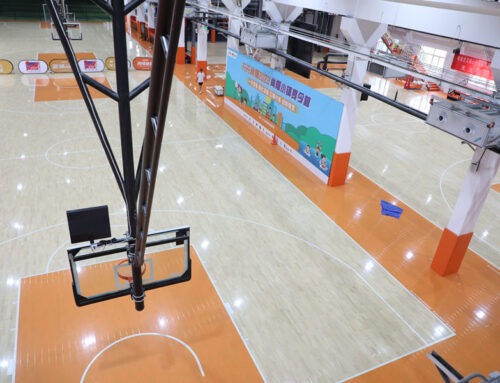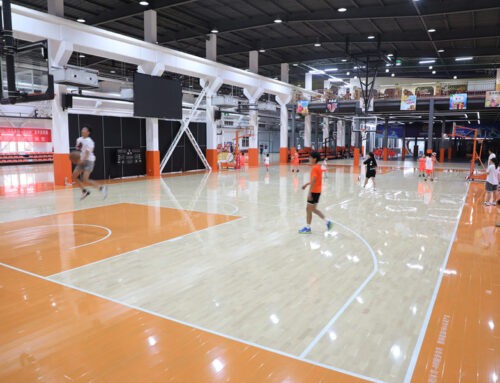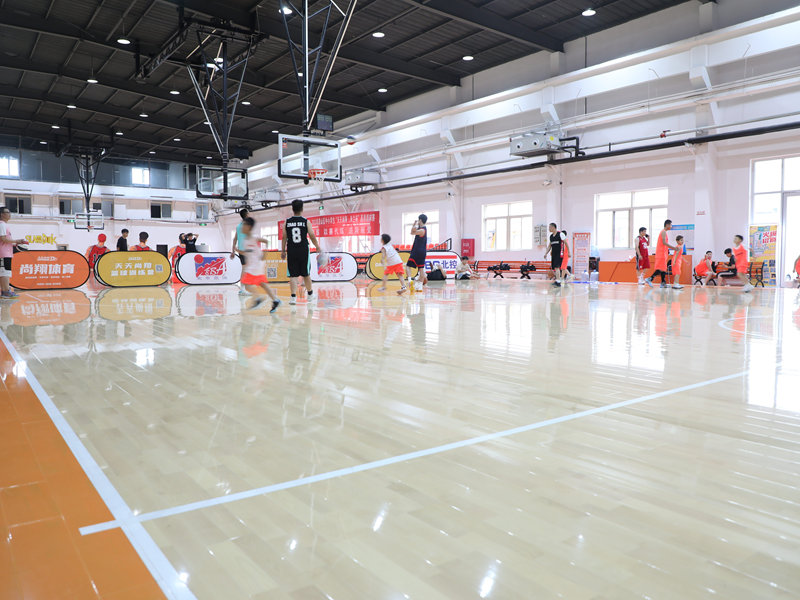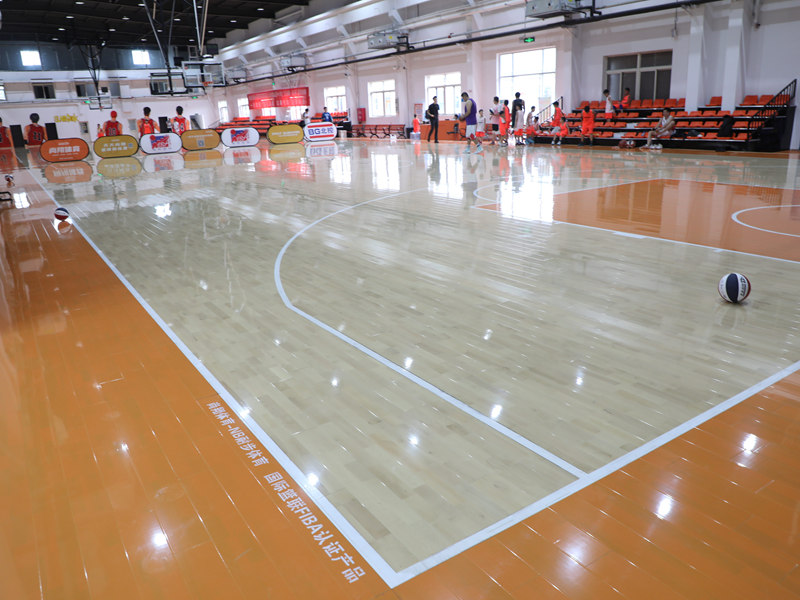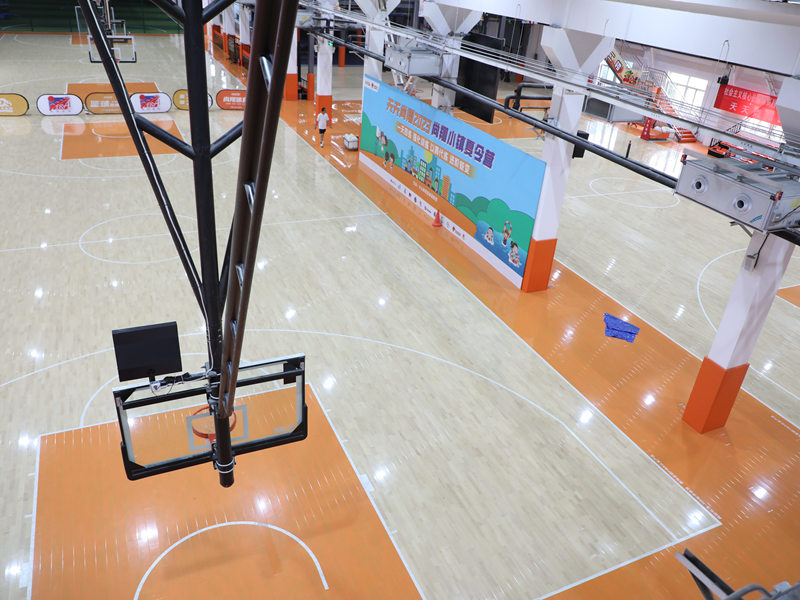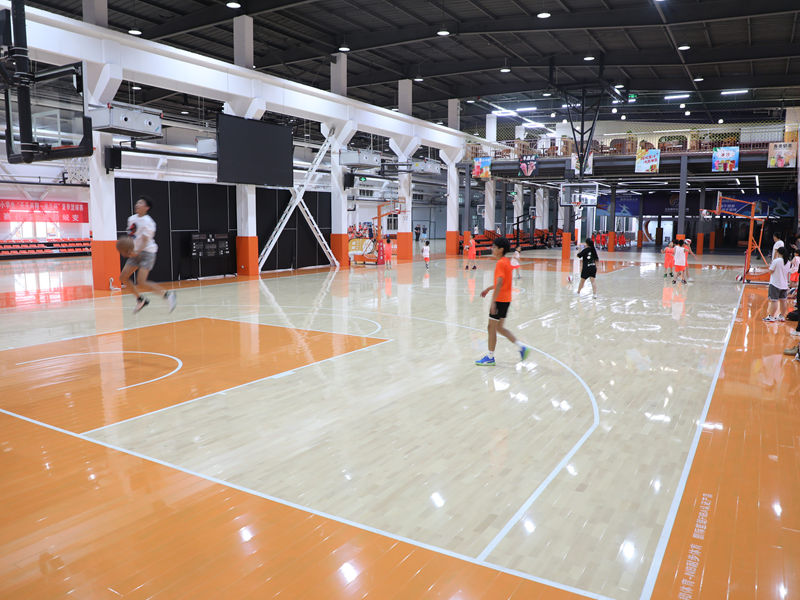
Installing indoor sports wooden flooring is not a weekend DIY project. It is a complex, precision-driven process that requires specialized knowledge, equipment, and experience. A poorly installed sports floor can lead to squeaks, uneven bounce, premature wear, and even safety hazards. A professionally installed floor, on the other hand, will perform beautifully for decades.
In this article, we will walk you through the complete installation process, from subfloor preparation to the final finish, so you understand exactly what goes into creating a world-class sports floor.
Phase 1: Planning and Design
Before any work begins on the job site, the installation process starts with careful planning and design. This phase involves:
Determining the sports requirements. Different sports have different flooring requirements. A basketball court needs a different floor system than a volleyball court or a dance studio. The sports governing body standards (NBA, FIBA, FIVB, etc.) specify exact requirements for floor thickness, deflection, flatness, and other performance metrics. The installer must design the floor system to meet these standards.
Selecting the wood species, grade, and finish. Based on the facility’s needs and budget, the installer will recommend the appropriate wood species, grade, and finish. This decision will affect the cost, appearance, and performance of the floor.
Designing the subfloor system. The subfloor is the foundation of the sports floor, and its design is critical to performance. The installer will specify the type of subfloor material (typically plywood or OSB), the thickness, the fastening pattern, and any additional components (such as shock pads or foam underlayment).
Creating a moisture management plan. Wood and moisture are enemies. The installer must develop a plan to manage moisture in the subfloor and the slab, including vapor barriers, moisture testing, and acclimatization protocols.
Phase 2: Subfloor Preparation
The subfloor is the most important part of the sports floor system. Even the finest hardwood will perform poorly if it is installed on a substandard subfloor. Subfloor preparation involves several critical steps:
Moisture testing. The moisture content of the subfloor must be tested before any wood is installed. For plywood or OSB subfloors, the moisture content should be below 12%. For concrete slabs, a calcium chloride test or relative humidity test should be performed to ensure that moisture vapor transmission is within acceptable limits (typically below 3 lbs per 1,000 square feet per 24 hours for wood flooring).
Leveling and flattening. The subfloor must be extremely flat. For nail-down installations, the subfloor should not deviate more than 3/16 inch over a 10-foot span in any direction. Any high or low spots must be sanded down or filled with leveling compound.
Laying the vapor barrier. A polyethylene vapor barrier (typically 6 mil thick) is laid over the subfloor to prevent moisture from rising up into the wood. The barrier is overlapped at the seams by at least 6 inches and taped to create a continuous seal.
Installing the shock pad (optional). For some floor systems, a foam shock pad is installed over the vapor barrier to provide additional shock absorption and sound dampening. The shock pad is typically 1/4 inch to 1/2 inch thick and is laid in a staggered pattern to avoid creating seams.
Phase 3: Acclimatization
Before the wood flooring is installed, it must be acclimatized to the environment of the facility. This means the wood must be stored in the facility for a minimum of 48 to 72 hours (some specifications require up to two weeks) so that it can adjust to the temperature and humidity of the space.
If the wood is not properly acclimatized, it can expand, contract, cup, or gap after installation, leading to serious performance and aesthetic problems. This step is often overlooked by inexperienced installers, but it is absolutely critical.
Phase 4: Floor Installation
The actual installation of the wood flooring can be done using one of three primary methods:
Nail-down installation (most common for solid hardwood):
The first row of planks is laid parallel to the longest wall of the room, with a 3/8 inch expansion gap left around the perimeter. The planks are face-nailed through the tongue into the subfloor at 6 to 8 inch intervals along the cleats. The nails are driven at an angle to maximize holding power.
Each subsequent row is tongue-and-groove joined to the previous row, creating a tight, seamless surface. The planks are staggered end-to-end with a minimum offset of 12 inches to distribute stress and create a more stable floor.
Floating installation (common for engineered hardwood):
The planks are laid over the foam underlayment without being fastened to the subfloor. The first row is laid with a 3/8 inch expansion gap, and each subsequent row is clicked together using the tongue-and-groove joint. The entire floor “floats” on the underlayment, which provides sound insulation and minor subfloor imperfection compensation.
Glue-down installation (used for maximum stability):
A specialized adhesive is applied to the subfloor, and the planks are pressed into the adhesive. This method provides the most stable connection and is often used in combination with nail-down for professional arenas. The adhesive also helps prevent squeaks and movement.
Phase 5: Sanding
After the floor is installed, it must be sanded to create a perfectly smooth, level surface. This is done using a series of progressively finer sanding machines:
The first pass uses a coarse grit (typically 36 to 50 grit) to remove any high spots, uneven joints, or adhesive residue.
The second pass uses a medium grit (60 to 80 grit) to smooth out the scratches from the first pass.
The third pass uses a fine grit (100 to 120 grit) to create a smooth, uniform surface ready for finishing.
Between each pass, the dust is vacuumed up, and the floor is inspected for any imperfections.
Phase 6: Finishing
The finishing process is what gives the sports floor its final appearance and performance characteristics. The most common finish system for sports floors is polyurethane:
Sealer coats: Three to five coats of sealer are applied using a mop or machine. Each coat is allowed to dry (typically 2 to 4 hours) before the next coat is applied. The sealer fills the pores of the wood and creates a base for the finish.
Finish coats: Two to three coats of finish are applied over the sealer. Each coat is cured using ultraviolet (UV) light, which hardens the polyurethane almost instantly. The result is a hard, durable, glossy surface.
The entire floor is then inspected for any drips, runs, or missed spots, and any imperfections are corrected.
Phase 7: Line Painting and Final Inspection
The final step is painting the court lines and markings. This is typically done using a two-component epoxy or polyurethane paint that is applied with stencils or tape. The lines must be straight, consistent in width, and properly positioned according to the sports governing body standards.
After the paint dries, a final inspection is conducted to verify that the floor meets all performance standards, including flatness, deflection, ball bounce, and friction. A certified sports flooring inspector may be brought in to perform the official testing.
Conclusion
Installing indoor sports wooden flooring is a meticulous, multi-step process that requires expertise at every stage. From subfloor preparation to final finishing, every detail matters. When done correctly, the result is a floor that performs at the highest level, looks beautiful, and lasts for decades. Investing in a professional installation is not an expense; it is an investment in the quality and longevity of your facility.