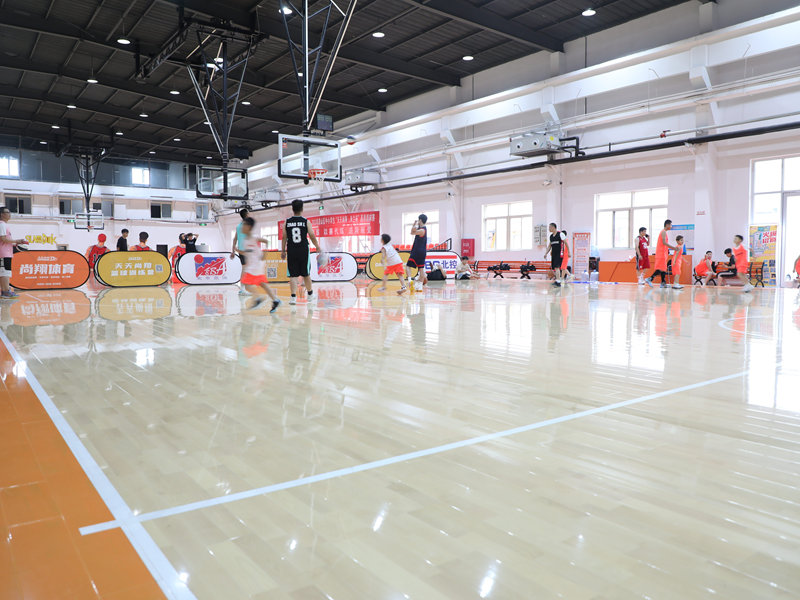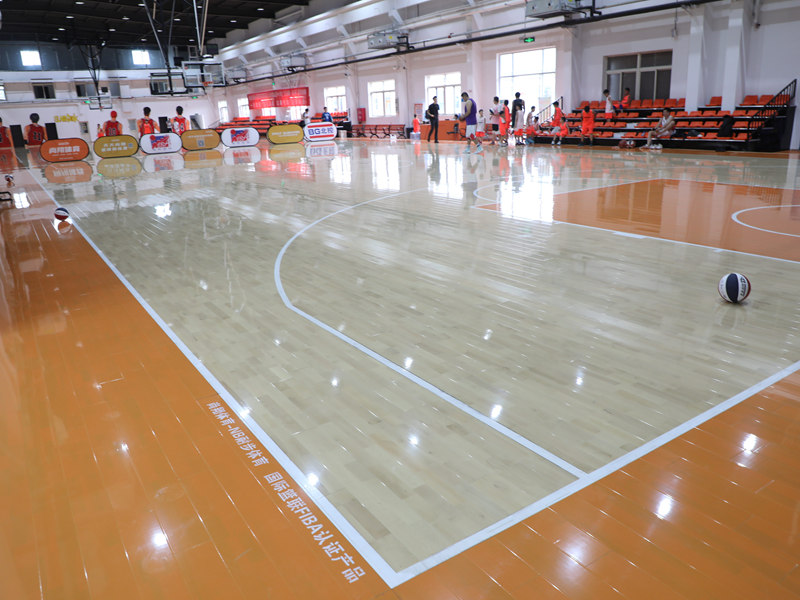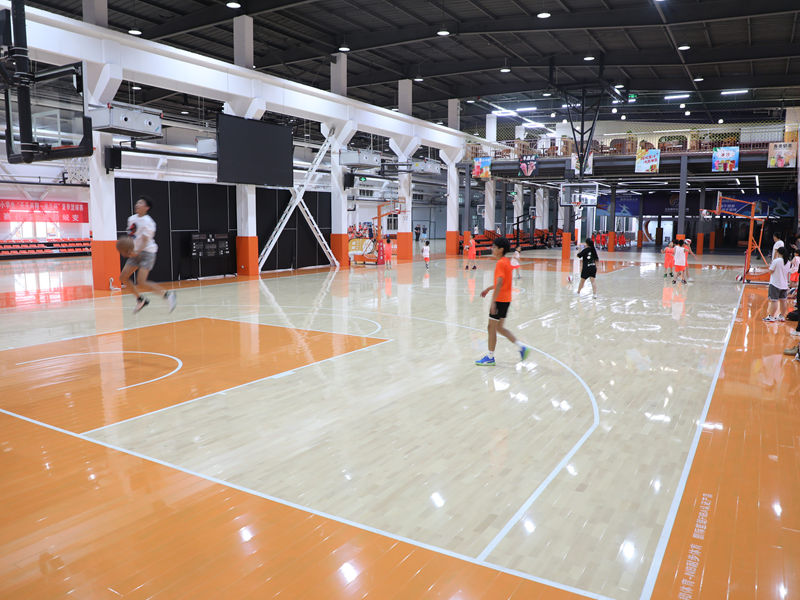
The debate between wood and synthetic flooring for to 0.6). However, wood is more forgiving. A slightly damp wood floor still provides good traction, while a damp synthetic floor can become dangerously slippery.
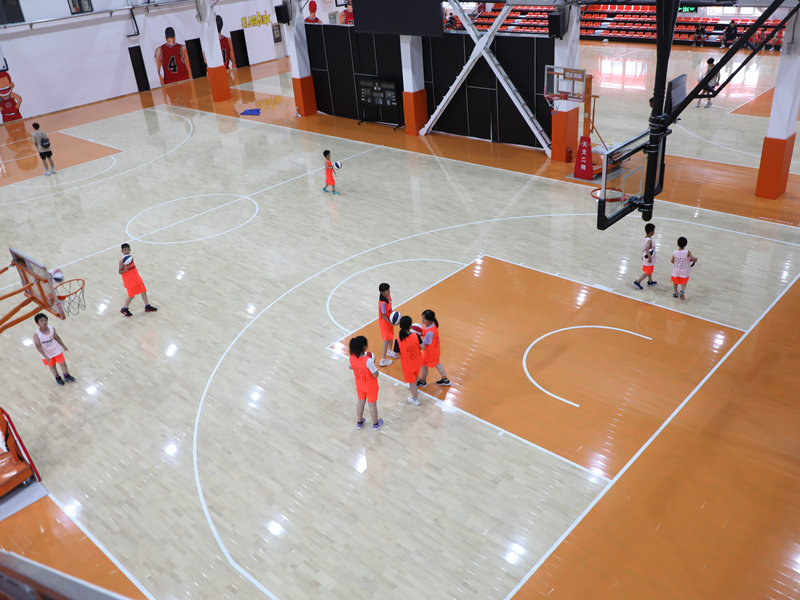
Winner: Wood, by a clear margin for competitive sports. Synthetic is acceptable for recreational use.
Cost: The Initial Price vs. The Total Cost of Ownership
Synthetic floors are cheaper to buy and install. There is no way around that fact. A vinyl sports floor can cost 3to7 per square foot installed, compared to 10to20 per square foot for a wood floor. For a facility with a tight budget, this difference can be the deciding factor.
However, when you look at the total cost of ownership over 20 to 30 years, the picture changes dramatically.
A wood floor can last 30 to 50 years with periodic refinishing. The cost of refinishing (typically 3to5 per square foot) is a fraction of the cost of replacing a synthetic floor.
A synthetic floor lasts 10 to 20 years, after which it must be completely replaced. The cost of replacement includes material, labor, and downtime, which can add up to 8to15 per square foot.
Over a 30-year period, a wood floor might cost 15to25 per square foot total (initial installation plus one or two refinishings), while a synthetic floor might cost 20to35 per square foot (two or three replacements).
**Winner: Wood, when you consider total cost of ownership. Synthetic wins on initial the most environmentally friendly flooring options available. Wood also sequesters carbon, meaning it actually helps fight climate change rather than contributing to it.
Winner: Wood, without question.
Longevity: The Ultimate Test
A solid hardwood sports floor can last 40 to 50 years or more. The Boston Garden (now TD Garden), which opened in 1995, has the same original maple floor that was installed when the arena was built. That floor is nearly 30 years old and still performs at a professional level.
Synthetic floors, even the best ones, rarely last more than 15 to 20 years. After that, they must be replaced.
Winner: Wood, by a factor of two or three.
The Verdict
Synthetic floors have their place. For a temporary court, a rented space, a very low-budget project, or a facility that will only be used casually, synthetic flooring can be a reasonable choice. It is cheaper upfront, easier to install, and requires less specialized maintenance.
But for any facility that takes athletic performance seriously, that wants a premium look and feel, that values long-term durability, or that cares about environmental sustainability, wood is the only real choice. The initial investment is higher, but the returns in performance, aesthetics, longevity, and total cost of ownership make wood the clear winner.