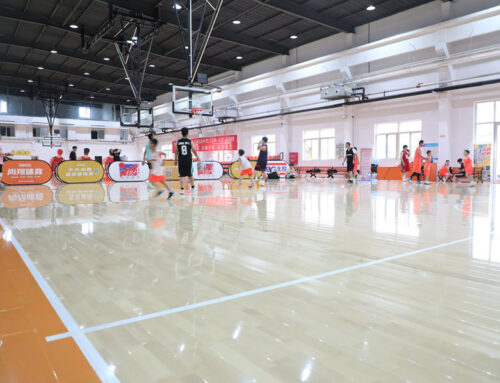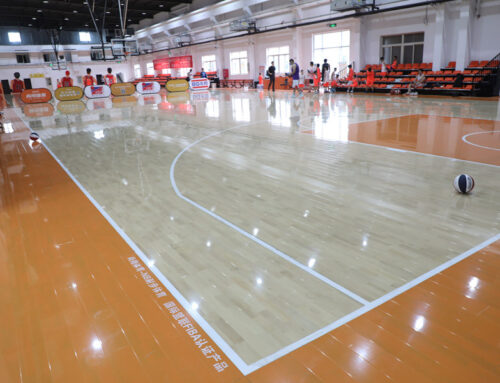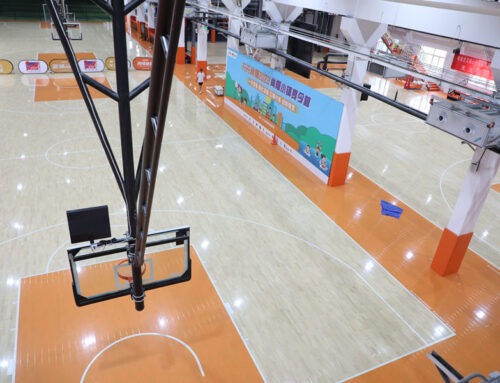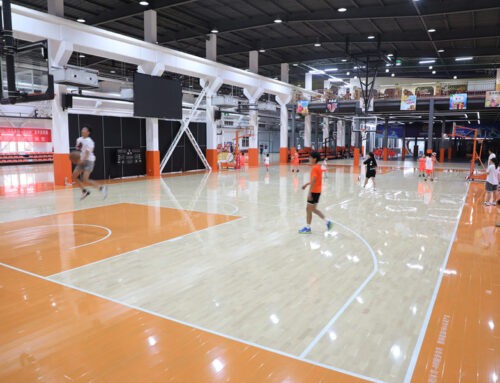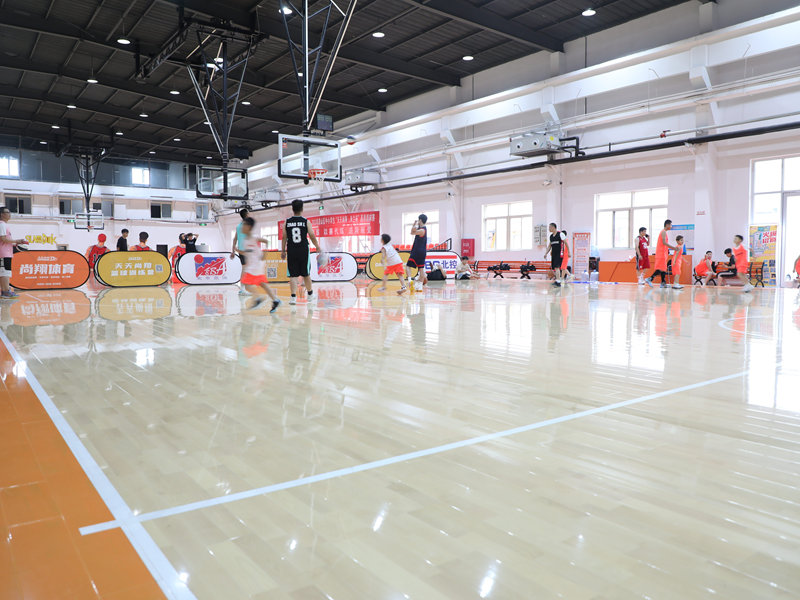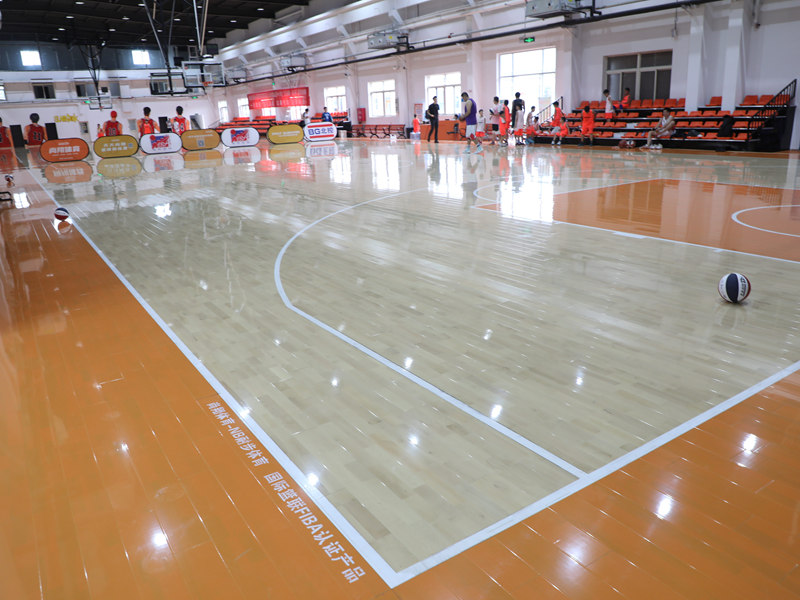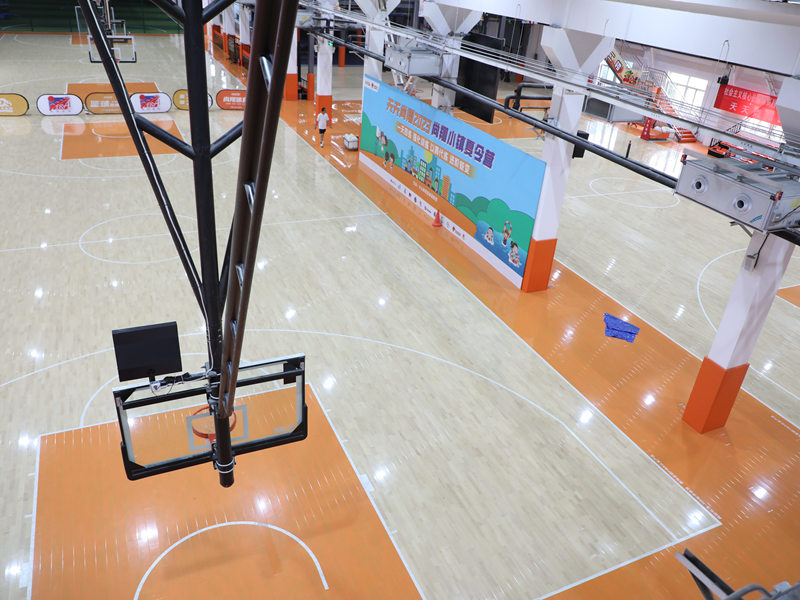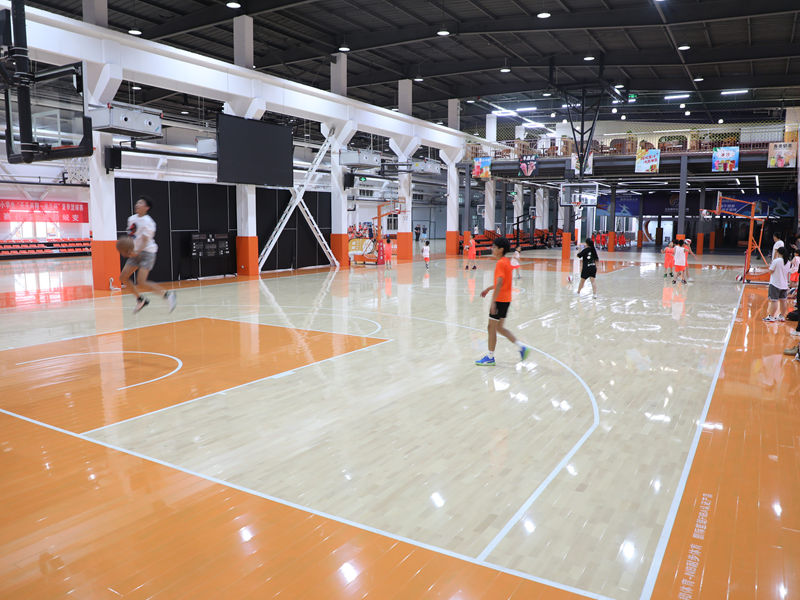
Owning an indoor sports wooden floor is a privilege, but it also comes with a responsibility. A well-maintained wood floor can last 30 to 50 years or more. A neglected floor can deteriorate in half that time, leading to costly repairs, unsightly appearance, and compromised performance.
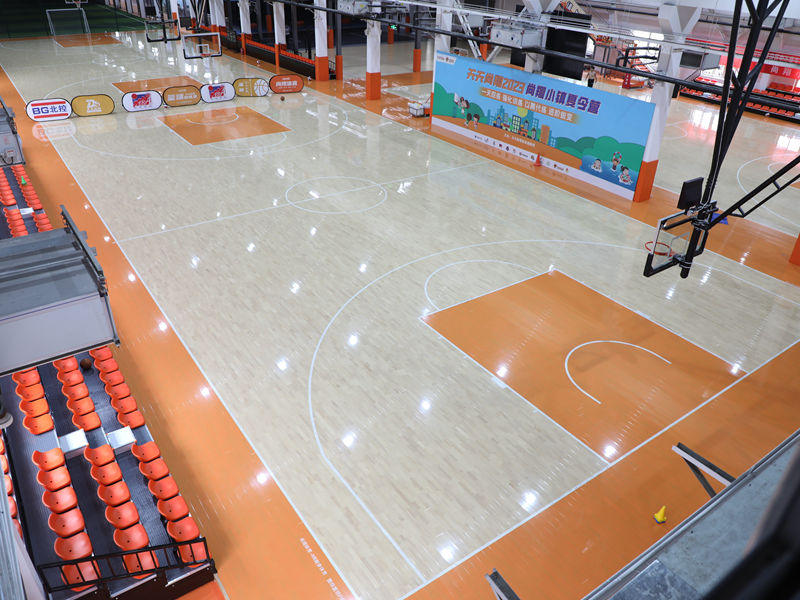
In this comprehensive guide, we will cover everything you need to know about maintaining and caring for your indoor sports wooden floor, from daily cleaning to periodic refinishing.
Daily Maintenance: The Foundation of Longevity
The most important aspect of wood floor maintenance is what you do every day. Consistent, proper daily care is what keeps a sports floor looking and performing like new for decades.
Dust mopping should be done at least once per day. Use a wide dust mop with a microfiber or treated cotton head to pick up dust, dirt, and debris before they have a chance to scratch the finish. In high-traffic facilities, dust mopping may need to be done two or three times per day.
Wet mopping should be done as needed, but not excessively. Use a damp (not wet) mop with a pH-neutral wood floor cleaner. Too much water is the enemy of wood flooring. Excess moisture can seep into the seams between planks, causing the wood to swell, cup, or warp. Always wring the mop out thoroughly before use.
Never use harsh chemicals, abrasive cleaners, or wax-based products. These can damage the finish, leave a residue that affects ball bounce, or make the floor slippery. Stick to cleaners that are specifically designed for wood sports floors.
Remove spills immediately. Whether it is water, sweat, or any other liquid, spills should be wiped up as soon as they occur. Standing liquid is the number one cause of wood floor damage.
Use proper entrance mats. Install walk-off mats at all entrances to the facility to trap dirt, sand, and moisture before they reach the playing surface. This simple step can dramatically reduce the amount of abrasive debris that contacts the floor.
Weekly and Monthly Maintenance
In addition to daily cleaning, there are several weekly and monthly tasks that should be performed:
Deep cleaning once per week. Use a specialized wood floor cleaner and a soft-bristle brush or a low-speed buffer to deep clean the floor. This removes embedded dirt and grime that daily mopping cannot reach.
Inspect for damage once per month. Walk the entire floor and look for scratches, dents, gaps between planks, or areas where the finish is wearing thin. Catching problems early allows you to address them before they become serious.
Check the humidity levels. Wood is sensitive to humidity. The ideal relative humidity for a sports facility with a wood floor is between 35% and 55%. Use a hygrometer to monitor humidity, and adjust your HVAC system as needed. If the humidity is too low, the wood can dry out and gap. If it is too high, the wood can swell and cup.
Annual Maintenance
Once per year, you should perform a more thorough inspection and maintenance routine:
Professional inspection. Hire a certified sports flooring inspector to test the floor’s performance characteristics, including flatness, deflection, ball bounce, and friction. This will tell you if the floor is still meeting the required standards or if it needs attention.
Screen and recoat (if needed). For floors with a polyurethane finish, a light screen and recoat may be needed every three to five years. This involves lightly sanding the surface (using a fine-grit screen) to remove scuffs and worn spots, then applying one or two fresh coats of finish. This is a relatively minor procedure that can extend the life of the finish by five to ten years.
Check and repair any gaps or squeaks. Over time, planks may shift slightly, creating gaps or squeaks. These should be addressed promptly by re-fastening the planks or applying adhesive to the joints.
Major Maintenance: Sanding and Refinishing
Eventually, every sports wood floor will need to be sanded and refinished. This is the process of removing the old finish and a thin layer of wood, then applying a fresh finish. This effectively renews the floor, making it look and perform like new.
When to refinish: The general rule of thumb is to refinish when the finish has worn through to the bare wood in high-traffic areas, or when the floor no longer meets performance standards. For a 3/4 inch solid hardwood floor, this typically happens every 10 to 15 years in a professional setting, or every 15 to 20 years in a recreational setting.
The refinishing process:
The floor is sanded using a series of progressively finer sanding machines, starting with a coarse grit (36 to 50) to remove the old finish and level the surface, then moving to medium (60 to 80) and fine (100 to 120) grits to create a smooth surface.
The floor is vacuumed thoroughly to remove all dust.
A new finish system (sealer and finish coats) is applied, just as during the original installation.
The floor is allowed to cure for 24 to 48 hours before use.
How many times can you refinish? A 3/4 inch solid hardwood floor can typically be refinished six to ten times over its lifetime, depending on how much wood is removed with each sanding (typically 1/32 to 1/16 inch per refinishing). This means that a well-maintained solid hardwood floor can last 40 to 50 years or more.
Engineered hardwood floors have a thinner wear layer (typically 1/16 to 1/4 inch), so they can only be refinished one to three times. This is one of the main trade-offs of choosing engineered over solid hardwood.
Preventive Measures
The best maintenance is preventive. Here are some tips to keep your floor in top condition:
Require proper athletic shoes. Shoes with non-marking soles should be mandatory on the floor. Shoes with hard rubber or metal cleats can gouge the finish and damage the wood.
Protect the floor during non-sports events. If the facility is used for concerts, conventions, or other events, lay down protective flooring over the sports surface to prevent damage from chairs, equipment, and high heels.
Control the climate. Maintain a consistent temperature (65 to 75 degrees Fahrenheit) and humidity (35% to 55%) in the facility. Fluctuations are harder on wood than stable conditions.
Address problems immediately. Do not ignore scratches, dents, or squeaks. Small problems can become big problems if left unattended.
Conclusion
Maintaining an indoor sports wooden floor is not difficult, but it does require consistency and attention. By following the daily, weekly, monthly, and annual maintenance routines outlined in this guide, you can keep your floor performing at its best for decades. Remember, a sports wood floor is a long-term investment, and the care you put into it today will pay dividends for years to come.