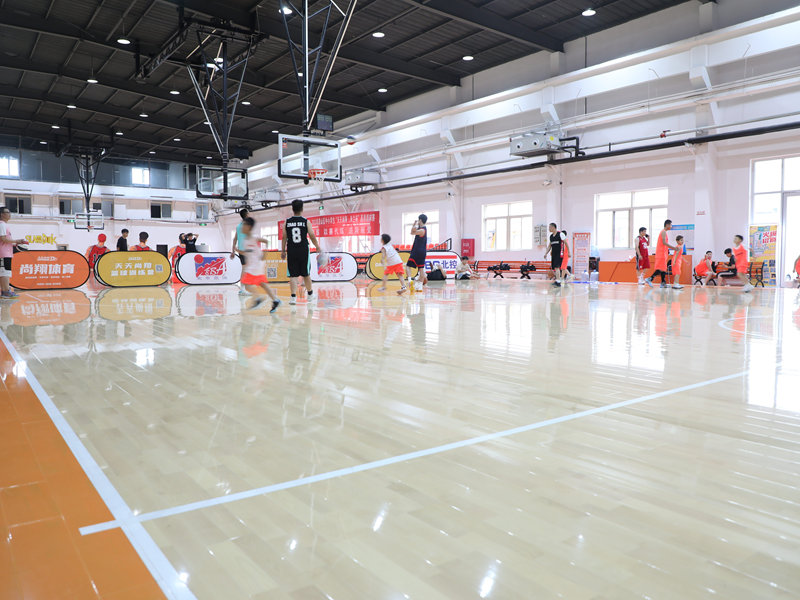
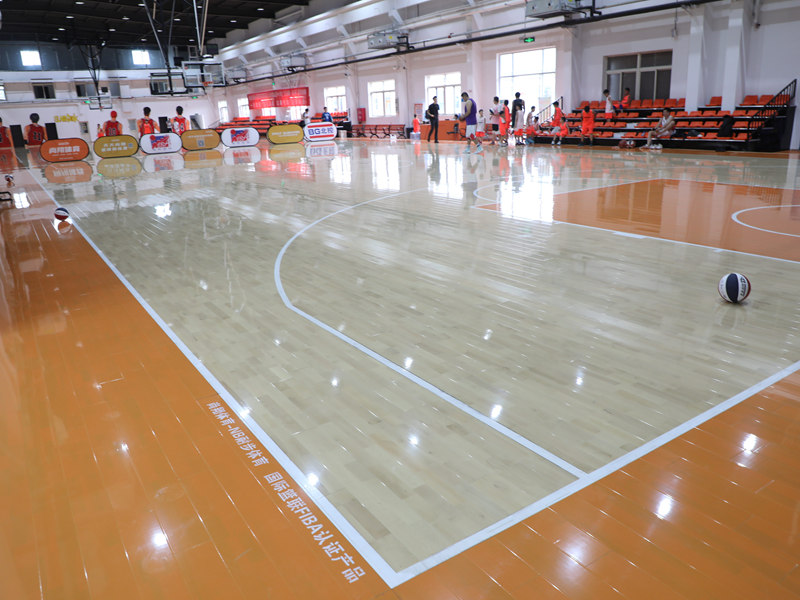
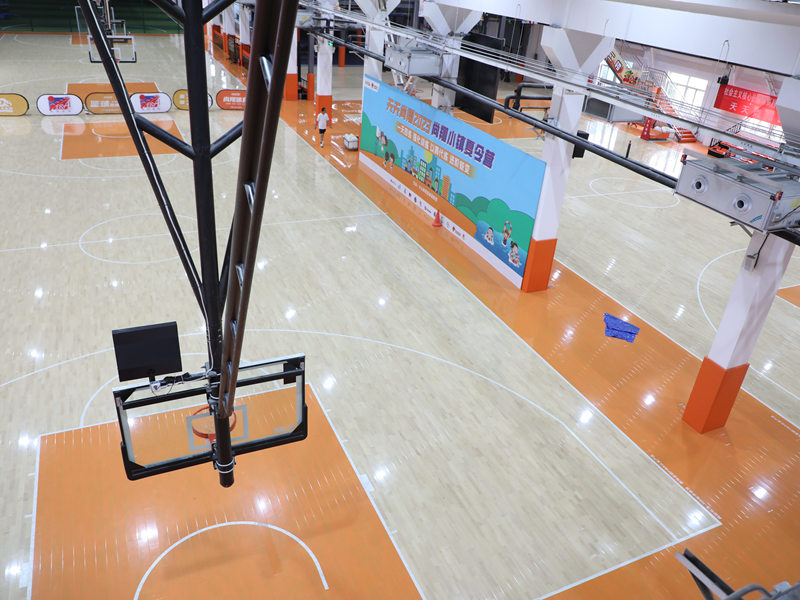
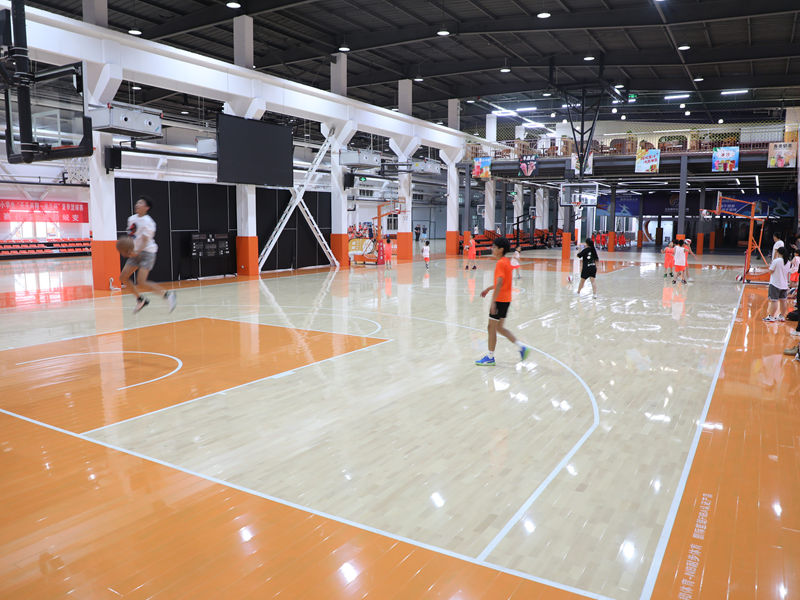
When it comes to building or renovating an indoor sports facility, one of the most important decisions you will ever make is choosing the right flooring. Among all the options available in the market, indoor sports wooden flooring has long been considered the gold standard for professional and recreational athletic spaces alike. Whether you are constructing a brand-new basketball arena, a multipurpose gymnasium, a volleyball court, or a dance studio, the type of wood flooring you select will directly impact the performance of athletes, the safety of players, the longevity of the facility, and even the overall aesthetic appeal of the space.

Indoor sports wooden flooring is not just a surface to walk on. It is a high-performance system engineered to absorb shock, reduce injury, provide consistent ball bounce, and deliver a premium playing experience. However, not all wood flooring is created equal. There are numerous species, grades, thicknesses, finishes, and installation systems to consider, and making the wrong choice can lead to costly repairs, disappointed athletes, and a facility that fails to meet professional standards.
This guide will walk you through everything you need to know about indoor sports wooden flooring, from the different wood species available to the installation methods, the maintenance requirements, and the cost factors you should consider before making your final decision.
Why Wood Is the Preferred Choice for Indoor Sports
For decades, wood has been the flooring material of choice for professional sports leagues around the world. The National Basketball Association (NBA), the International Volleyball Federation (FIVB), and numerous other governing bodies have all standardized their courts on hardwood surfaces. The reasons for this are both practical and performance-driven.
First and foremost, wood provides the ideal combination of shock absorption and energy return. When an athlete runs, jumps, or lands on a wood floor, the surface absorbs a portion of the impact force, reducing stress on joints, knees, ankles, and the spine. At the same time, the floor returns enough energy to allow for explosive movements, quick direction changes, and high-performance athletic action. This balance is something that most synthetic alternatives struggle to replicate.
Second, wood offers consistent ball bounce. In sports like basketball, volleyball, and handball, the behavior of the ball on the playing surface is critical. Wood floors provide a uniform and predictable bounce that athletes can rely on, game after game. Synthetic floors, on the other hand, can sometimes produce inconsistent bounce patterns depending on temperature, humidity, and wear.
Third, wood is durable. A properly installed and maintained indoor sports wood floor can last 20 to 50 years or even longer. While the initial investment is higher than many alternatives, the long-term cost per year of use is often lower, especially when you factor in the reduced need for replacement and the minimal maintenance requirements.
Understanding Wood Species
Not all wood is suitable for sports flooring. The species you choose will affect the hardness, appearance, durability, and cost of your floor. The most commonly used species for indoor sports wooden flooring include:
Maple (Hard Maple / Acer saccharum) is by far the most popular choice for professional basketball courts. Hard maple is extremely dense, with a Janka hardness rating of approximately 1,450 pounds. This density makes it highly resistant to denting, scratching, and wear. It also provides a light, clean aesthetic that has become synonymous with professional basketball. The NBA has used maple for decades, and it remains the industry benchmark.
Oak (Red Oak and White Oak / Quercus) is another popular option, particularly for multipurpose gymnasiums and training facilities. Red oak has a Janka hardness of about 1,290 pounds, while white oak is slightly harder at around 1,360 pounds. Oak has a more pronounced grain pattern than maple, giving it a warmer, more traditional look. It is also generally more affordable than maple, making it a great choice for facilities with budget constraints.
Beech (Fagus sylvatica) is commonly used in European sports facilities, particularly for handball, volleyball, and basketball courts. Beech has a Janka hardness of approximately 1,300 pounds, placing it in a similar range to red oak. It has a fine, even texture and a light color similar to maple, but with a slightly different grain pattern. Beech is often the go-to choice for facilities that want a maple-like appearance at a lower cost.
Birch (Betula) is sometimes used as a more economical alternative to maple. It has a similar light color and fine grain, but it is softer, with a Janka hardness of around 1,260 pounds. Birch is suitable for recreational facilities and schools where the budget is limited, but it may not hold up as well under the heavy demands of professional use.
Ash (Fraxinus) is occasionally used for sports flooring, particularly in European markets. It has a Janka hardness of about 1,320 pounds and a distinctive grain pattern. Ash is known for its excellent shock absorption properties, but it is less commonly specified for indoor sports compared to maple, oak, and beech.
Grades and Appearance
Wood flooring for sports applications is graded based on its appearance, not its structural performance. The grading system typically includes:
Select Grade is the highest quality, featuring a clean, uniform appearance with minimal color variation, few knots, and a consistent grain pattern. This grade is typically used for professional arenas and high-visibility courts where aesthetics are paramount.
No. 1 Common Grade allows for slightly more natural variation, including small knots, minor color differences, and some grain variation. This grade is still very attractive and is commonly used in schools, community centers, and recreational facilities.
No. 2 Common Grade permits even more natural character, including larger knots, more color variation, and more pronounced grain patterns. This grade is the most economical and is often used in training facilities, warehouses converted to courts, and other spaces where appearance is less critical than function.
It is important to note that the grade of the wood does not affect its performance. A No. 2 Common floor will perform just as well as a Select grade floor in terms of shock absorption, ball bounce, and durability. The difference is purely aesthetic.
Thickness and Construction
Indoor sports wooden flooring is typically manufactured in two main construction types: solid hardwood and engineered hardwood.
Solid hardwood planks are made from a single piece of wood, typically 3/4 inch (19mm) to 7/8 inch (22mm) thick. Solid hardwood is the traditional choice for sports flooring and is what you will find in most NBA and NCAA arenas. It can be sanded and refinished multiple times over its lifetime, which significantly extends its usable life.
Engineered hardwood planks consist of a thin top layer of hardwood (usually 3/16 inch to 1/4 inch) bonded to multiple layers of plywood or high-density fiberboard. The total thickness is typically 1/2 inch to 5/8 inch. Engineered flooring is more dimensionally stable than solid hardwood, meaning it is less likely to expand, contract, or cup in response to changes in humidity. It is also generally less expensive. However, because the wear layer is thinner, it can only be sanded and refinished a limited number of times (usually one to three, depending on the thickness of the top layer).
For professional sports applications, solid hardwood is almost always preferred. For recreational and multipurpose facilities, engineered hardwood can be an excellent and cost-effective alternative.
Finishing Systems
The finish applied to indoor sports wooden flooring plays a crucial role in its performance, appearance, and maintenance. There are three main types of finishes:
Polyurethane finish is the most traditional and widely used finish for sports floors. It provides a hard, durable surface that is resistant to scuffs, moisture, and wear. Polyurethane finishes are typically applied in multiple coats (usually three to five coats of sealer followed by two to three coats of finish) and are cured using ultraviolet (UV) light. The result is a smooth, glossy surface that provides excellent ball grip and consistent bounce.
Water-based polyurethane finish is a more environmentally friendly alternative to traditional oil-based polyurethane. It has lower volatile organic compound (VOC) emissions, making it a better choice for facilities that prioritize indoor air quality. Water-based finishes have improved significantly in recent years and now offer performance comparable to oil-based options.
Oil-based finish (such as Danish oil or tung oil) is sometimes used for a more natural, matte appearance. Oil finishes penetrate the wood rather than sitting on top of it, which gives the floor a more organic feel. However, oil finishes generally require more frequent maintenance and may not provide the same level of durability as polyurethane in high-traffic sports environments.
Installation Methods
The way your sports wood floor is installed can have a significant impact on its performance and longevity. The two primary installation methods are:
Nail-down installation involves fastening the planks directly to a plywood or OSB subfloor using cleats and nails or screws. This is the most common method for solid hardwood sports floors and provides a very stable, secure connection. The subfloor must be extremely flat (typically within 3/16 inch over 10 feet) for this method to work properly.
Floating installation involves laying the planks on top of a foam underlayment without fastening them to the subfloor. The planks are held together by their tongue-and-groove joints and the weight of the floor itself. This method is commonly used for engineered hardwood and is faster to install. It also provides better sound insulation and can accommodate minor subfloor imperfections. However, floating floors may have slightly less stability than nail-down floors, which can be a concern in high-performance sports environments.
Glue-down installation involves adhering the planks directly to the subfloor using a specialized adhesive. This method provides excellent stability and is often used in combination with nail-down for added security. It is particularly common in professional arenas where maximum performance is required.
Cost Considerations
The cost of indoor sports wooden flooring varies widely depending on the species, grade, thickness, finish, and installation method. As a general range:
Material costs alone typically range from 8to15 per square foot for maple, 6to12 per square foot for oak, and 5to10 per square foot for beech or birch. Installation costs add another 4to10 per square foot, depending on the complexity of the project.
For a standard basketball court (approximately 4,700 square feet of playing surface), the total installed cost for a maple floor can range from 60,000to150,000 or more, depending on the specifications. While this may seem expensive, it is important to consider that a well-maintained wood floor can last 30 to 50 years, making the annual cost of ownership quite reasonable.
Making Your Final Decision
When choosing indoor sports wooden flooring for your facility, consider the following factors:
What sports will be played on the floor? Different sports have different requirements. Basketball demands the highest performance standards, while recreational volleyball or fitness classes may be well-served by a more economical option.
Who will be using the facility? Professional athletes need the best possible floor, while school students or recreational players may be perfectly happy with a mid-range option.
What is your budget? Be honest about what you can afford, but also consider the long-term value. A cheaper floor that needs to be replaced in 10 years may end up costing more than a premium floor that lasts 40 years.
What are your aesthetic preferences? The look of the floor matters, especially in facilities that host events, broadcasts, or public use.
Consult with a reputable sports flooring contractor who can help you navigate these decisions and ensure that your floor is installed to the highest standards.
Indoor sports wooden flooring is an investment in performance, safety, and quality. By taking the time to understand your options and make an informed choice, you can create a facility that athletes will love and that will serve your community for decades to come.