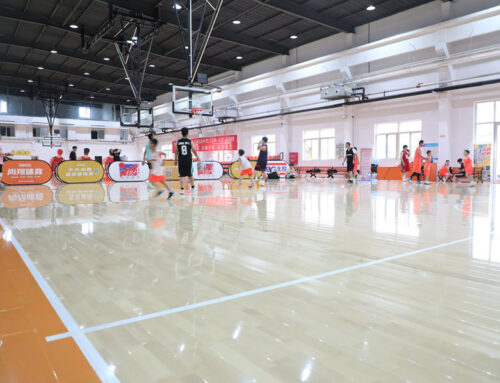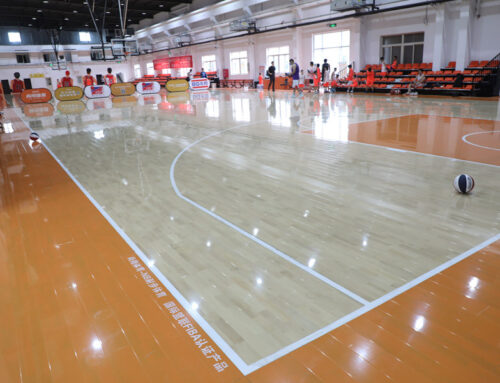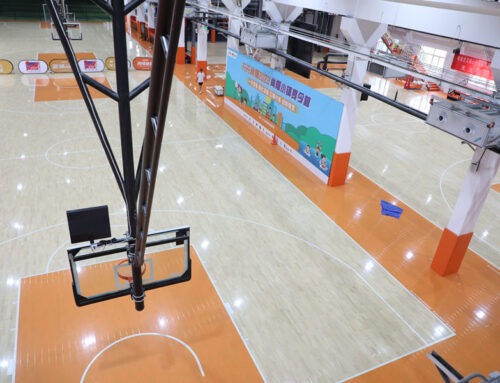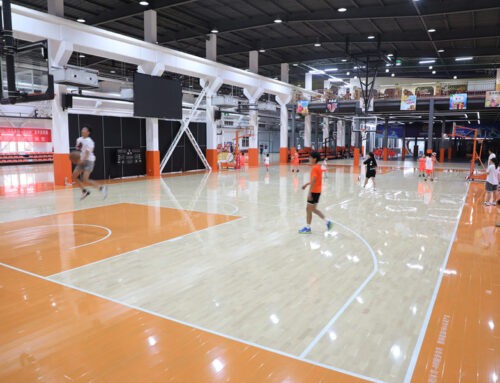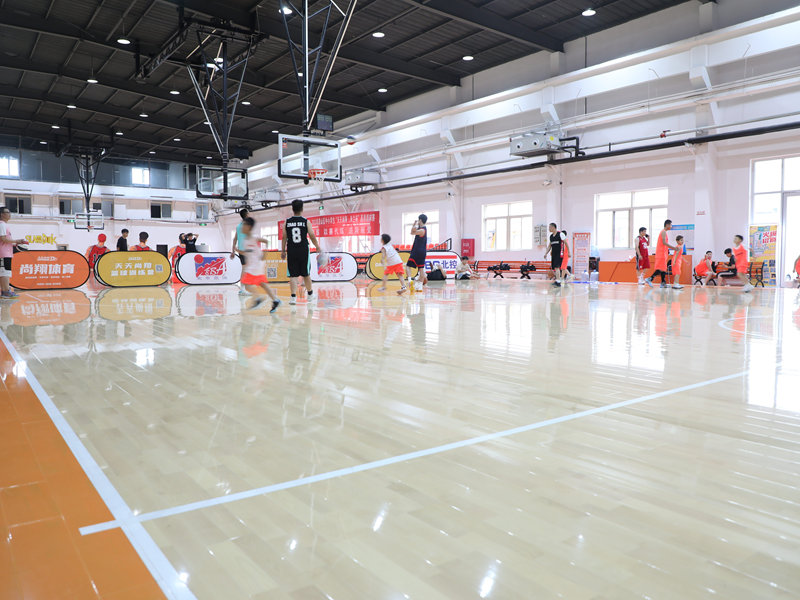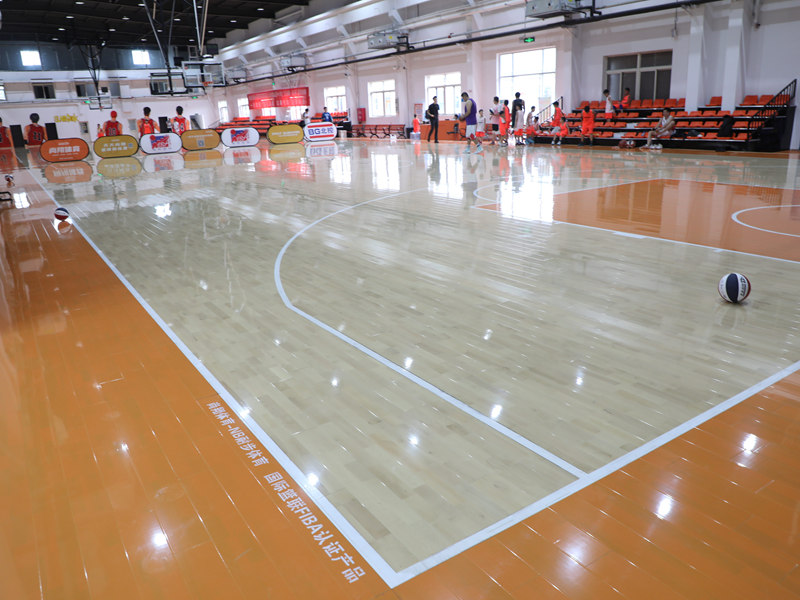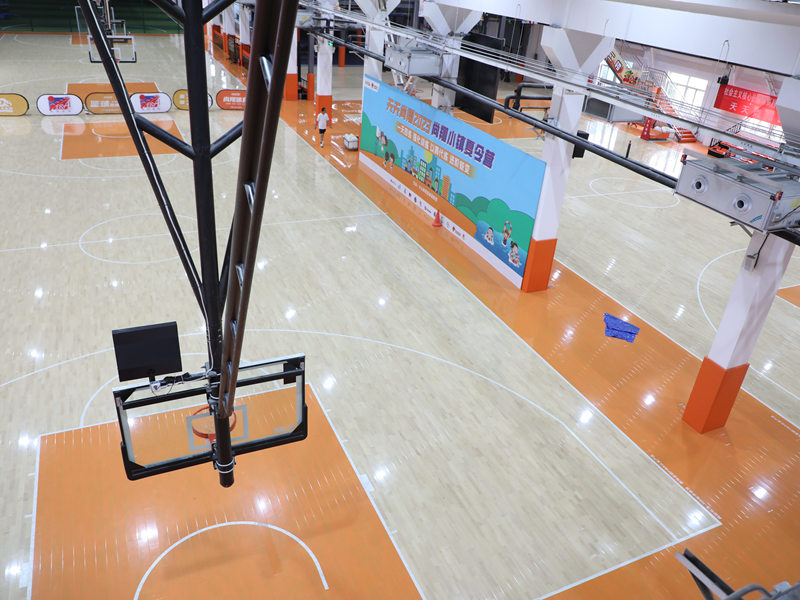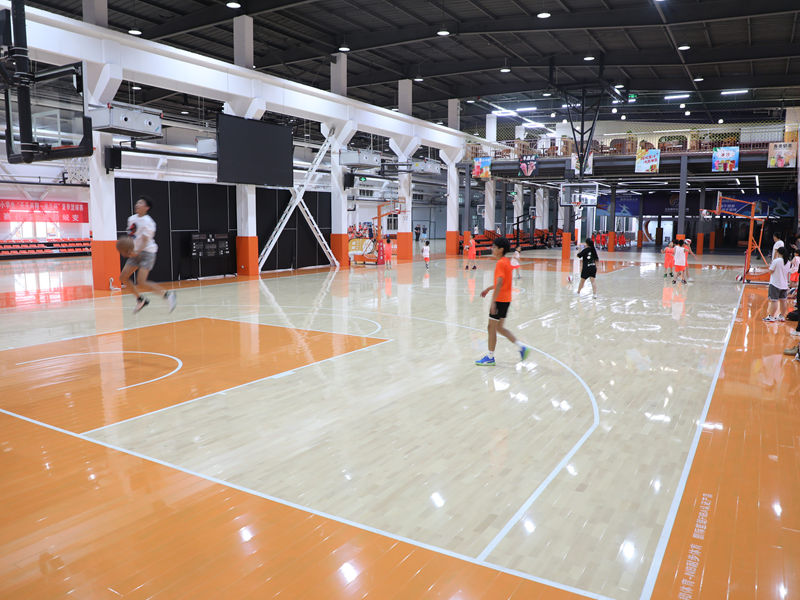
School and university administrators face a unique set of challenges when it comes to basketball court flooring. They must balance performance, safety, durability, aesthetics, and — of course — budget. With limited funds and high usage, every dollar must be spent wisely. In this comprehensive guide, we will walk you through everything you need to know about basketball court wood flooring for educational institutions.
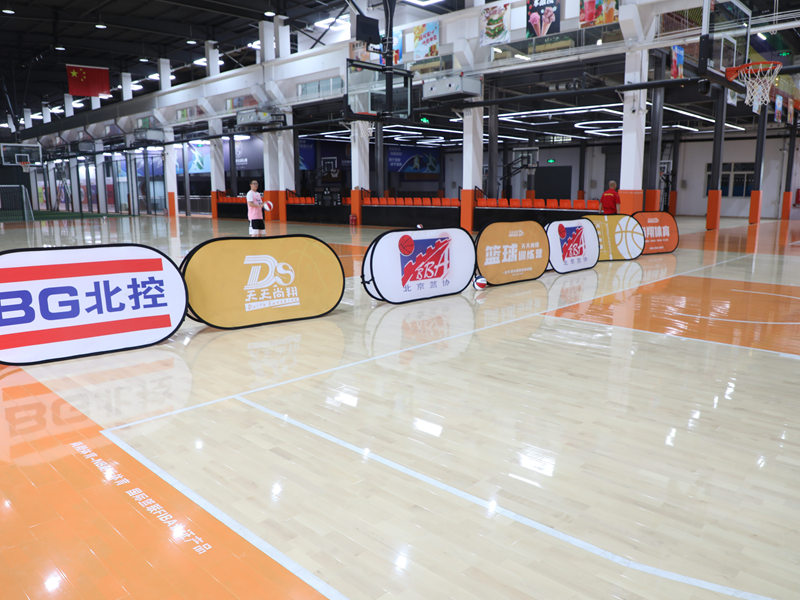
Why Schools and Universities Should Invest in Wood
- Student Safety: With proper cushioning, wood floors reduce the risk of injury for student-athletes. This is not just a performance issue — it is a liability issue.
- Compliance: NCAA and most state high school athletic associations require wood flooring for competition.
- Multi-Use: A wood court can be used for basketball, volleyball, badminton, assemblies, and other events — maximizing the return on investment.
- Longevity: A quality wood floor lasts 30-50 years, far outlasting synthetic alternatives.
- Property Value: A well-maintained wood floor adds value to the facility and enhances the school’s image.
Budget Considerations
Most school districts operate with tight budgets. Here’s how to get the most for your money:
| Budget Level | Wood Species | Cushioning | Finish | Estimated Cost (per sq. ft.) |
|---|---|---|---|---|
| $8-12 | Red oak | Basic foam (1/2″) | 5-coat | Budget-friendly, good for PE |
| $12-18 | White oak | Medium foam (3/4″) | 6-coat | Good for varsity and JV |
| $18-25 | Hard maple | Premium foam/rubber (1″) | 8-coat | College-level, meets NCAA |
| $25-35+ | Hard maple | Hybrid rubber/foam (1.25″) | 8-coat + custom | Elite, meets NBA standards |
Funding Options
- Capital Improvement Bonds: Many school districts fund major facility upgrades through bond measures.
- Booster Club Fundraising: Parent and alumni booster clubs often raise money for court renovations.
- Grants: Organizations like the NBA/WNBA Jr. NBA program, Nike Community Impact Fund, and local foundations offer grants for sports facility improvements.
- Public-Private Partnerships: Some schools partner with local businesses to fund court renovations in exchange for naming rights or advertising.
- Lease-to-Own: Some flooring companies offer financing options that spread the cost over 5-10 years.
Maintenance on a School Budget
| Task | Frequency | Estimated Cost |
|---|---|---|
| Daily mopping | Every use | $0 (in-house staff) |
| Weekly deep clean | Weekly | $50-100 (supplies) |
| Annual refinishing | Yearly | $3,000-8,000 (contractor) |
| Line repainting | Yearly | $500-1,500 |
| Cushion inspection | Every 3 years | $500-1,000 |
| Total Annual Budget | $4,000-10,000 |
Common Mistakes Schools Make
| Mistake | Consequence | Solution |
|---|---|---|
| Choosing the cheapest option | Floor fails in 5-8 years, higher long-term cost | Invest in quality upfront |
| Skipping cushioning | Higher injury rates, liability issues | Always include cushioning |
| Not budgeting for maintenance | Floor deteriorates rapidly | Include maintenance in annual budget |
| Ignoring climate control | Floor warps, gaps, poor performance | Invest in HVAC |
| Using the gym for non-sports events without protection | Floor gets damaged by chairs, tables, etc. | Use protective covering for events |
Case Study: Lincoln High School — $120,000 Court Renovation
Lincoln High School in Portland, Oregon, renovated its gymnasium in 2023 with a hard maple wood floor. The project included:
- Full subfloor prep and leveling
- Rubber cushioning system (45% shock absorption)
- 3/4″ hard maple planks
- 8-coat polyurethane finish
- Two-tone design (natural maple with dark blue key area)
- Full line painting with school logo
Total cost: 120,000∗∗Funding∗∗:60,000 bond measure + 40,000boosterclub+20,000 NBA Jr. NBA grant
Result: A state-of-the-art court that meets NCAA standards and serves 500+ students per week.
Conclusion
Investing in quality basketball court wood flooring is one of the best decisions a school or university can make. It improves safety, enhances performance, increases facility value, and provides decades of reliable service. With careful planning, smart budgeting, and the right funding sources, any school can afford a world-class court.