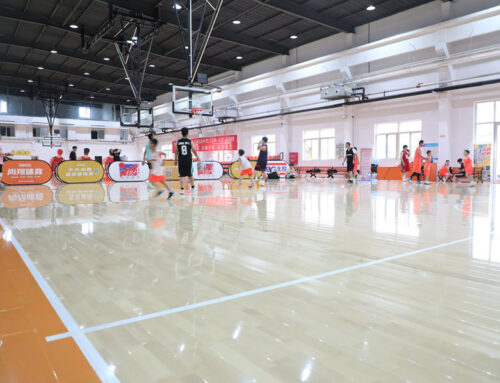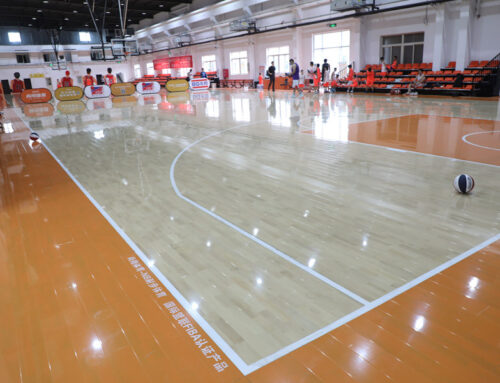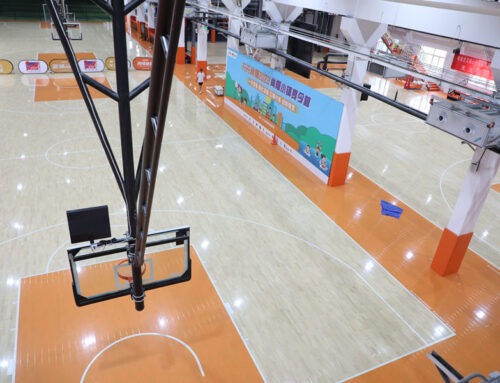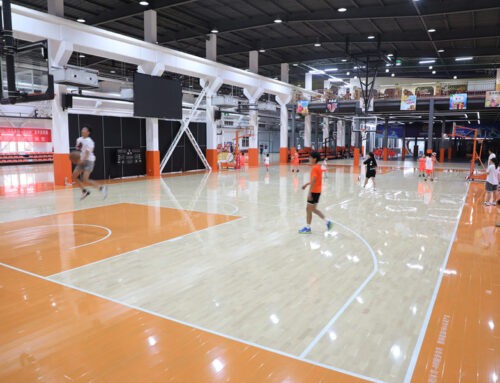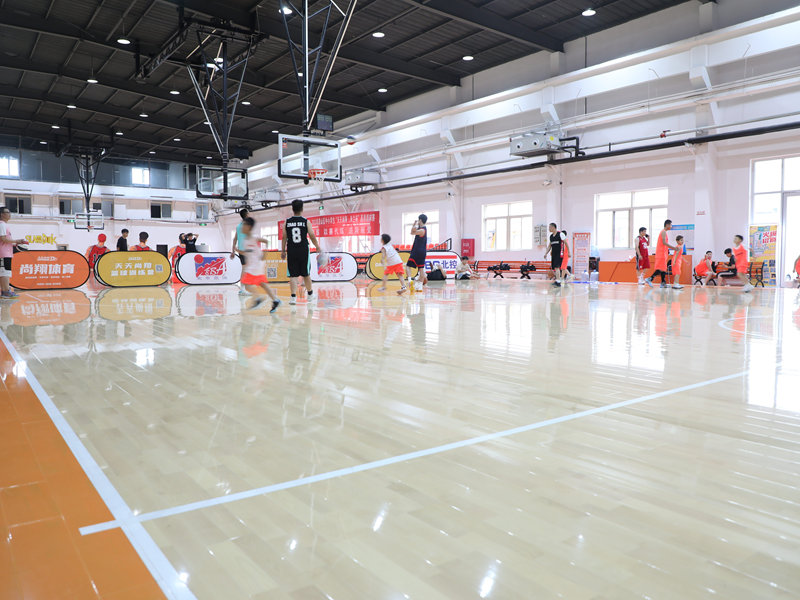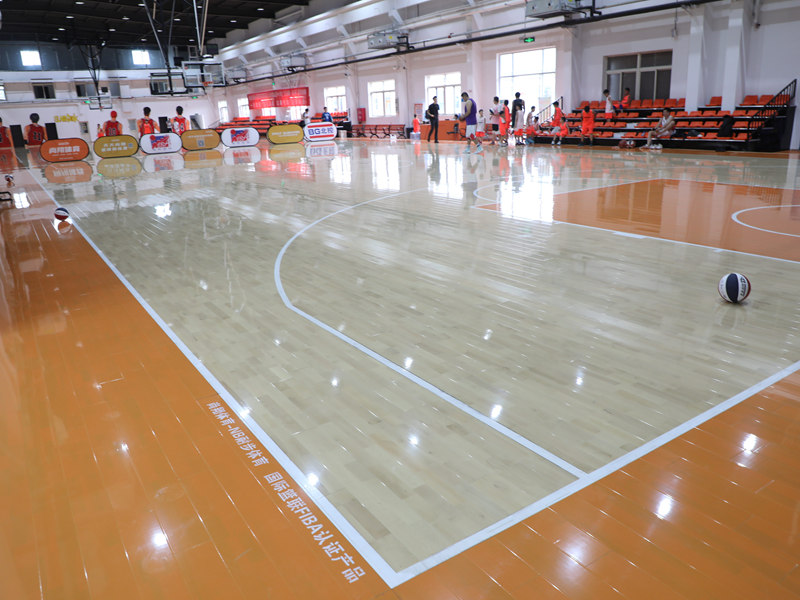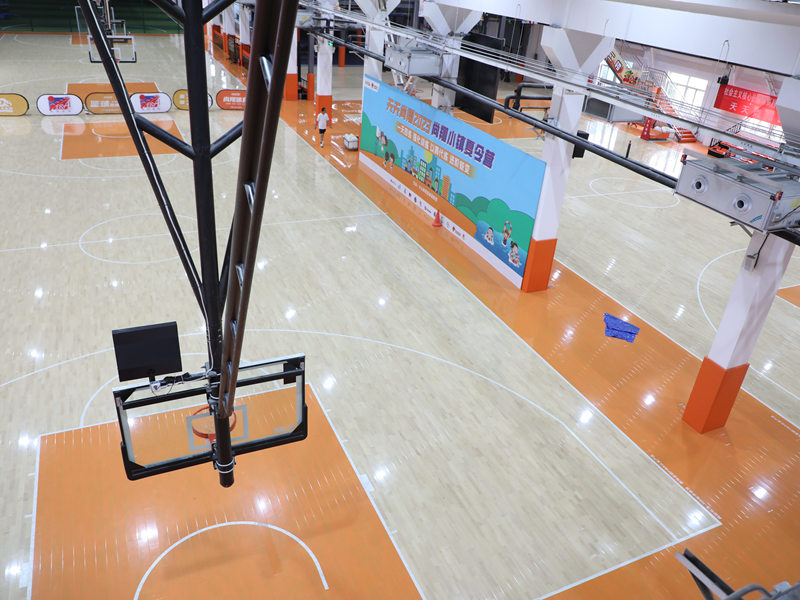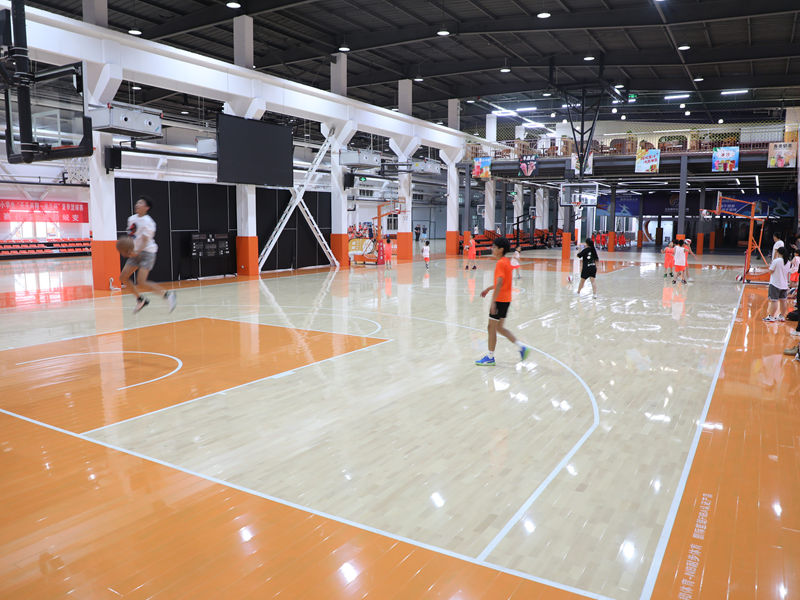
In this comprehensive FAQ article, we will answer the most common questions that facility managers, coaches, parents, and players ask about basketball court wood flooring. Whether you are planning a new court or maintaining an existing one, these answers will help you make informed decisions.
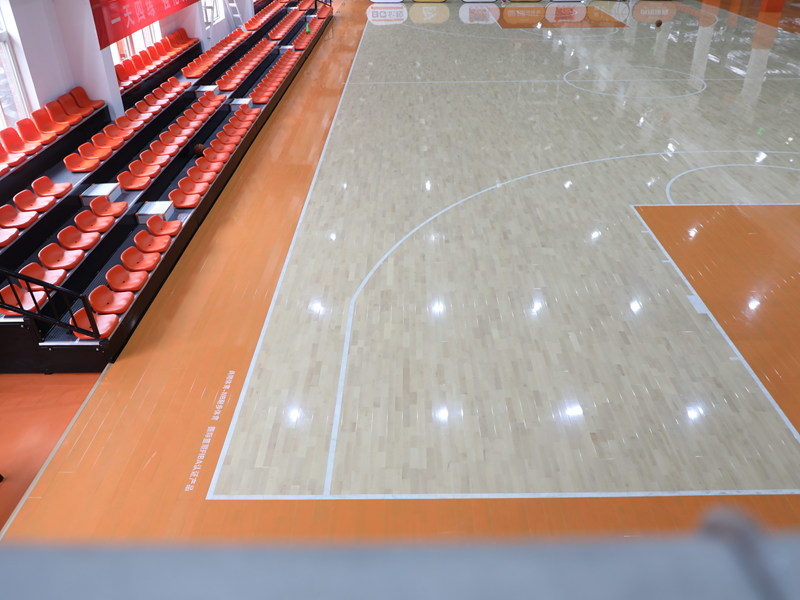
Q1: How long does a basketball court wood floor last?
A: With proper installation and maintenance, a quality hardwood basketball court can last 30-50 years. Synthetic surfaces typically last 8-15 years. The key factors that determine lifespan are:
- Wood species (hard maple lasts longer than red oak)
- Quality of installation
- Maintenance routine
- Climate control
Q2: How much does it cost to install a basketball court wood floor?
A: The total cost ranges from **$13 to
A: The ideal relative humidity is 35-50%. Below 30%, the wood will dry out and shrink. Above 60%, the wood will absorb moisture and expand. A proper HVAC system is essential.
Q8: How does the cushioning layer work?
A: The cushioning layer (foam or rubber pads) is installed between the subfloor and the hardwood. When a player lands, the cushioning compresses, absorbing 35-53% of the impact force. This reduces stress on joints and lowers the risk of injury.
Q9: Can I paint logos and designs on the floor?
A: Yes! Custom designs, logos, and team colors can be applied using stains and/or paint. Two-tone courts (different colors for the playing area and the surround) are the most popular option. Full-color courts are possible but more expensive.
Q10: Is wood flooring slippery?
A: A properly finished wood floor provides excellent traction — not too grippy, not too slippery. The coefficient of friction should be between 0.4 and 0.6. If the floor feels slippery, it probably needs to be refinished.
Q11: Can I use a basketball court for other sports?
A: Yes! A wood basketball court can also be used for volleyball, badminton, pickleball, and even indoor soccer (with proper line markings). This makes it an excellent multi-use investment.
Q12: How do I prevent the floor from getting scratched?
A:**: Planks are glued to each other but not to the subfloor. Allows for expansion/contraction, easier to repair. This is the preferred method for most professional installations.
Q14: Do I need a moisture barrier?
A: Yes, always. A 6-mil polyethylene moisture barrier should be installed between the subfloor and the cushioning layer to prevent moisture from damaging the wood.
Q15: How do I know if my floor needs to be replaced?
A: Signs that your floor needs replacement (not just refinishing):
- Widespread cupping, crowning, or buckling
- Major gaps between planks (more than 1/8″)
- Soft spots or rot
- Subfloor damage
- The floor is more than 30 years old and has been poorly maintained
Conclusion
Basketball court wood flooring is a complex but rewarding investment. By understanding the answers to these common questions, you can make informed decisions that will benefit your players, your facility, and your budget for years to come.