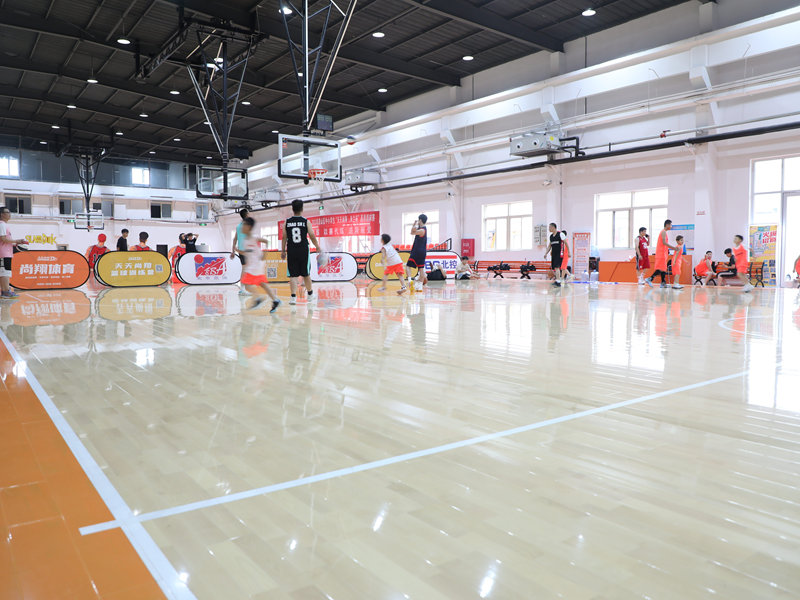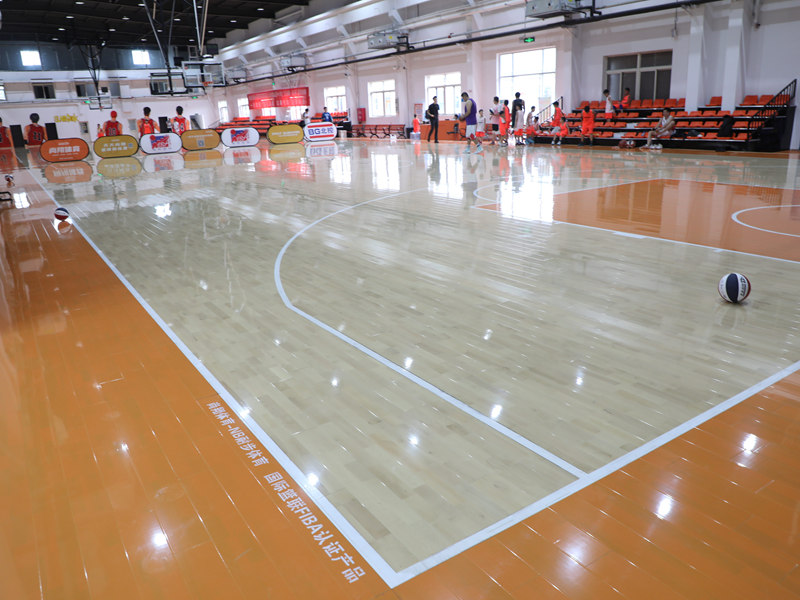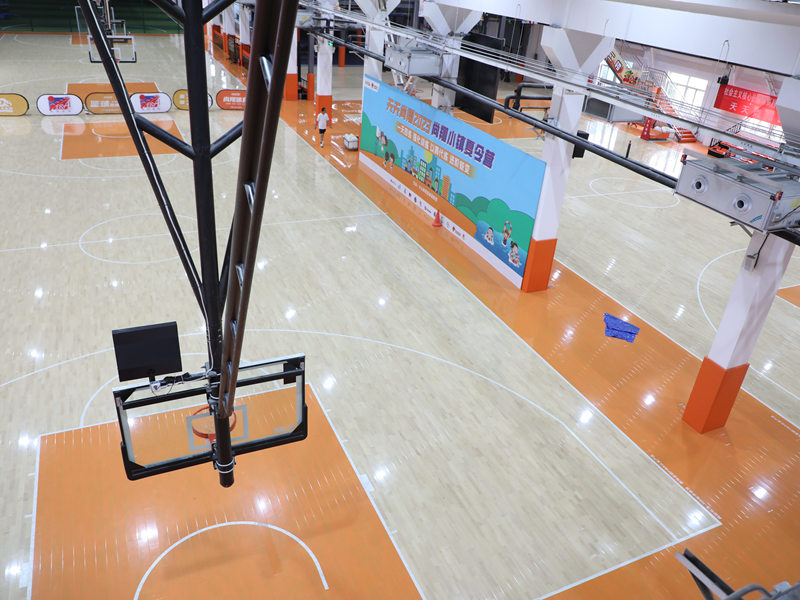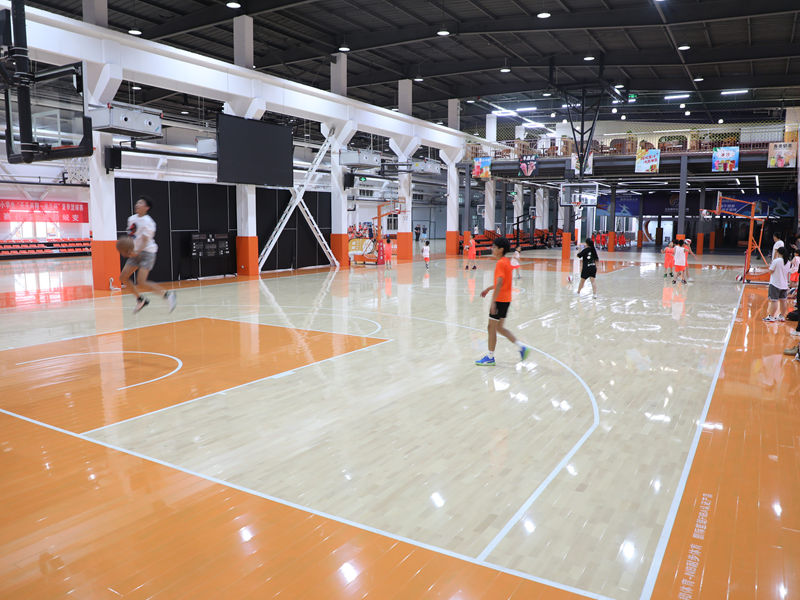
The world of sports technology is evolving at a breathtaking pace, and basketball court wood flooring is no exception. From smart sensors to self-healing finishes, the next generation of court floors promises to be smarter, safer, and more sustainable than ever before. In this article, we will explore the cutting-edge innovations that are shaping the future of basketball court wood flooring.
1. Smart Floors: Embedded Sensor Technology
The most exciting development in court flooring is the integration of embedded sensors into the wood surface. These sensors can track:
- Player movement: Speed, distance, direction, acceleration
- Ball tracking: Speed, spin, trajectory, bounce height
- Impact forces: The force of each foot strike, jump, and landing
- Court usage: How the court is being used, when it’s most crowded, etc.
Who’s doing it:
- Kinexon (used in the NBA): Tracks player and ball movement in real time
- Second Spectrum (used in the NBA and WNBA): Uses overhead cameras + floor sensors for advanced analytics
- SmartCourt by Haas: Embedded sensors in the floor that track everything
Impact: Smart floors will revolutionize coaching, training, and injury prevention. Coaches will be able to see exactly how hard a player is landing, how fast they are running, and where they are spending the most time. This data can be used to optimize training programs and reduce injury risk.
2. Self-Healing Finishes
Scientists are developing self-healing polyurethane finishes that can automatically repair minor scratches, scuffs, and cracks. These finishes contain microcapsules of healing agent that are released when the surface is damaged, filling in the scratch and restoring the finish to its original condition.
Timeline: Expected to be commercially available within 3-5 years.
3. Bio-Based and Sustainable Materials
The push for sustainability is driving innovation in flooring materials:
- Bio-based polyurethane: Made from plant-based oils instead of petroleum. These finishes have the same performance as traditional polyurethane but with a much lower carbon footprint.
- Nanocellulose reinforcement: Adding nanocellulose (derived from wood pulp) to the finish to make it stronger, more durable, and more environmentally friendly.
- Carbon-negative manufacturing: Some manufacturers are exploring processes that actually remove CO2 from the atmosphere during production.
4. Modular and Portable Systems
For facilities that need flexibility (temporary courts, multi-use gyms, military bases), modular wood flooring systems are being developed. These systems consist of interlocking planks that can be:
- Installed in days instead of weeks
- Disassembled and moved to a new location
- Reconfigured for different sports (basketball, volleyball, etc.)
Timeline: Already available from companies like Greentech and Taraflex.
5. Enhanced Cushioning Technologies
The next generation of cushioning systems will be even more advanced:
- Variable-density foam: Foam that is softer in high-impact areas (under the basket, free throw line) and firmer in low-impact areas. This provides optimal shock absorption exactly where it’s needed.
- Air-cushion systems: Inflatable cushioning pads that can be adjusted to provide different levels of shock absorption for different sports or age groups.
- Graphene-enhanced rubber: Rubber pads infused with graphene for superior durability and shock absorption.
6. Augmented Reality (AR) Court Markings
Imagine a court where the lines, logos, and markings are projected onto the floor using AR technology. This would allow facilities to:
- Change the court layout instantly (full court to half court, etc.)
- Display scores, stats, and animations during games
- Create immersive training experiences
Timeline: Early prototypes exist; commercial availability expected within 5-10 years.
7. Antimicrobial Surfaces
In the wake of COVID-19, there is growing demand for antimicrobial floor finishes that kill bacteria and viruses on contact. Several manufacturers are now offering finishes with built-in antimicrobial properties (using silver ions, copper nanoparticles, or other agents).
What This Means for Facility Managers
| Innovation | Benefit | Timeline |
|---|---|---|
| Smart sensors | Better coaching, injury prevention | Available now |
| Self-healing finishes | Lower maintenance costs | 3-5 years |
| Bio-based materials | Lower carbon footprint | Available now |
| Modular systems | Flexibility, portability | Available now |
| Variable cushioning | Optimized performance | 2-3 years |
| AR markings | Versatility, fan engagement | 5-10 years |
| Antimicrobial surfaces | Health and safety | Available now |
Conclusion
The future of basketball court wood flooring is incredibly exciting. The floor of tomorrow will be smarter, greener, more durable, and more versatile than anything we have today. For facility managers, the key is to invest in quality now while keeping an eye on emerging technologies that can be integrated in the future. The best court you can build today is one that is ready for the innovations of tomorrow.