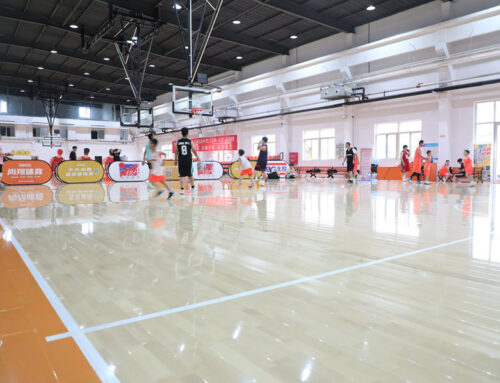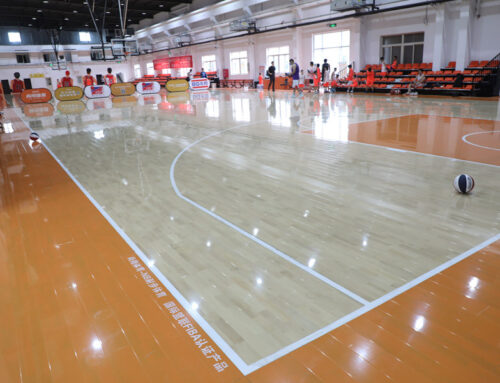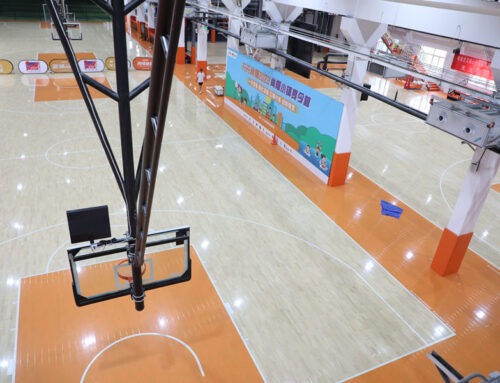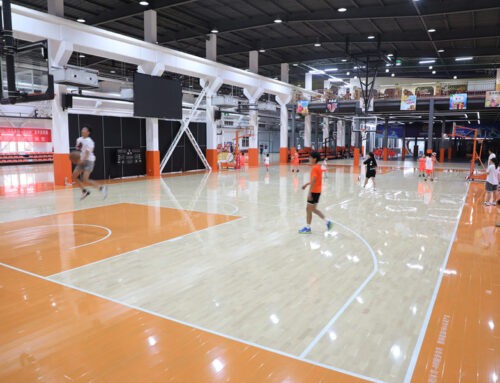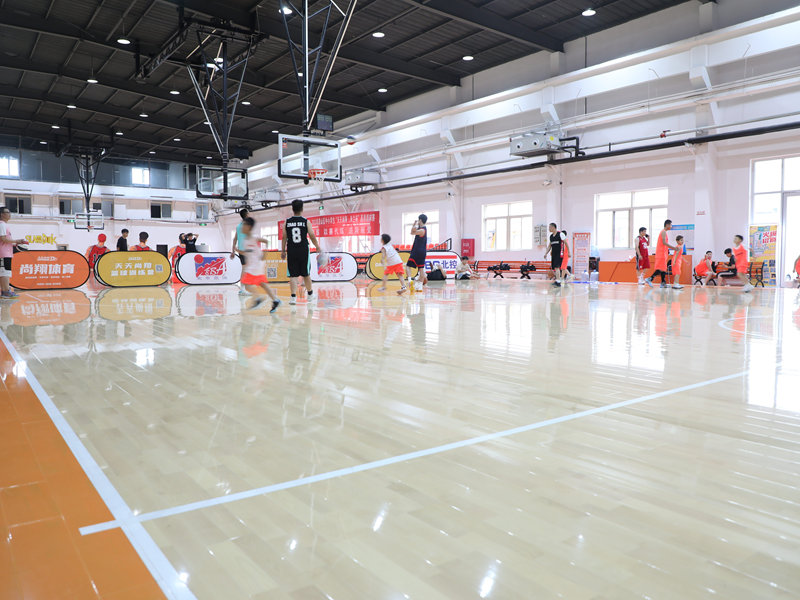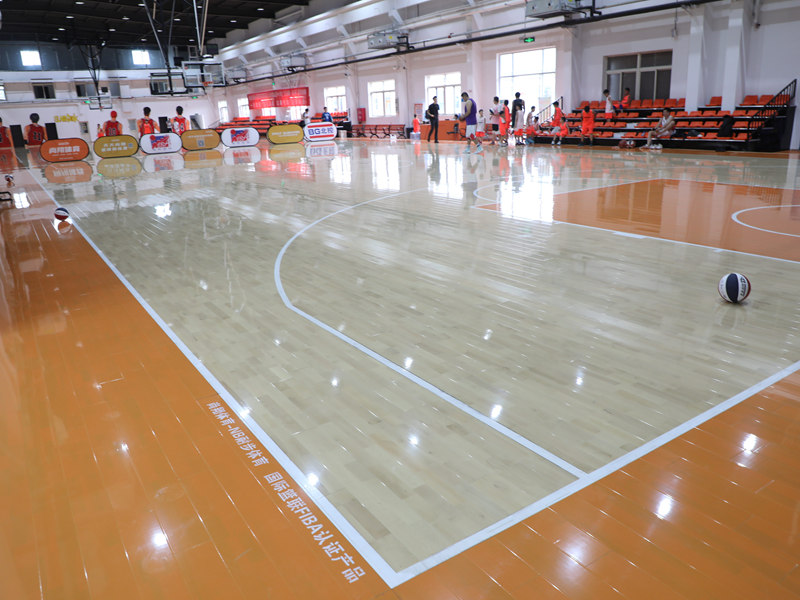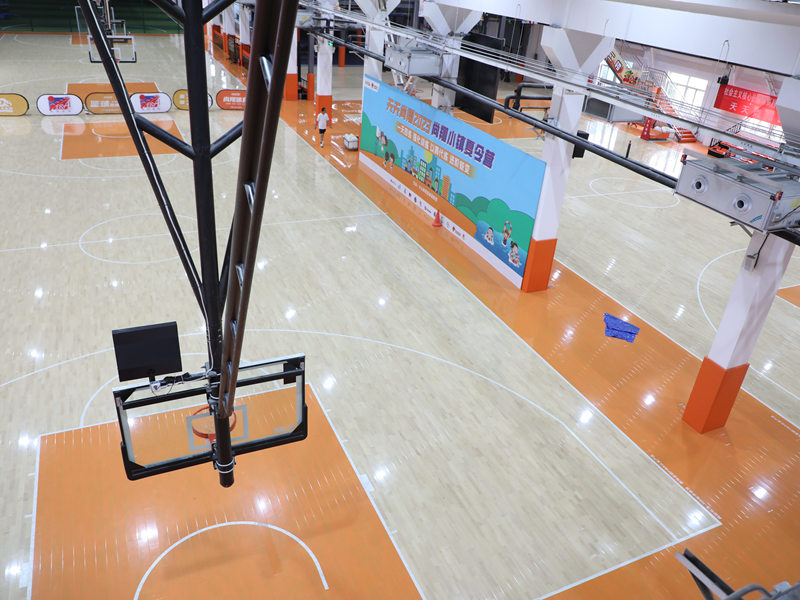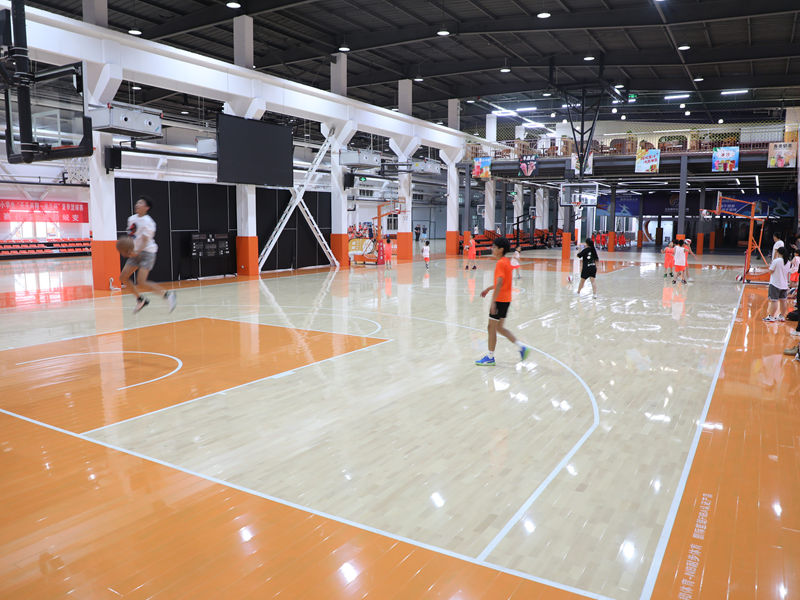
You’ve decided to invest in a basketball court wood floor. Congratulations! This is one of the best decisions you can make for your facility. But with so many options, specifications, and contractors to choose from, the process can feel overwhelming. In this ultimate buyer’s guide, we will walk you through every step of the process — from deciding what you need to signing the contract and beyond.
Step 1: Define Your Needs
Before you talk to any contractors, you need to answer these questions:
| Question | Your Answer |
|---|---|
| What is the primary use? (Professional / College / School / Recreation) | |
| What is the court size? (Standard NBA: 94′ x 50′) | |
| Indoor or outdoor? | |
| What is your budget? | |
| Do you need custom colors/logos? | |
| What is the current condition of the subfloor? | |
| Do you have climate control (HVAC)? |
Step 2: Choose Your Wood Species
| Use Case | Recommended Species | Why |
|---|---|---|
| Professional / NBA | Hard Maple | Meets all standards, best performance |
| College / NCAA | Hard Maple | Meets all standards |
| High School Varsity | Hard Maple or White Oak | Great performance, slightly lower cost |
| High School JV / Rec | Red Oak | Good performance, lower cost |
| Outdoor | Ipe / Cumaru / Teak | Naturally rot-resistant |
| Eco-Friendly | FSC-Certified Maple or Bamboo | Sustainable sourcing |
Step 3: Choose Your Cushioning System
| Use Case | Recommended Cushioning | Force Reduction |
|---|---|---|
| Professional | Rubber pads or hybrid | 53%+ |
| College | Thick foam or rubber | 45-53% |
| School | Medium foam | 35-45% |
| Recreation | Thin foam | 20-35% |
Step 4: Choose Your Finish
| Finish Type | Gloss Level | Best For |
|---|---|---|
| Matte | Low | Practice courts (more grip, less shine) |
| Satin | Medium | Multi-use facilities |
| Semi-Gloss | Medium-High | Competition courts (most popular) |
| Gloss | High | NBA/professional (shiny, easy to clean) |
Step 5: Get Multiple Bids
Request bids from at least 3 contractors. Make sure they are all bidding on the same scope:
- ✅ Same wood species
- ✅ Same cushioning system
- ✅ Same finish type
- ✅ Same line painting requirements
- ✅ Same warranty terms
Step 6: Evaluate the Bids
| Factor | What to Look For |
|---|---|
| Price | Not the lowest, not the highest — the most reasonable |
| Experience | 10+ years, 50+ courts installed |
| Certification | NBA/FIBA/NCAA certified |
| References | At least 3, call all of them |
| Warranty | 5-10 years minimum |
| Contract | Detailed, written, includes everything |
| Insurance | General liability + workers’ comp |
| Materials | Named brands, not “equivalent” |
Step 7: Sign the Contract
Your contract should include:
- ✅ Scope of work (detailed line-item breakdown)
- ✅ Materials (brand names, specs, quantities)
- ✅ Timeline (start date, completion date, milestones)
- ✅ Payment schedule (never pay 100% upfront)
- ✅ Warranty terms (what’s covered, for how long)
- ✅ Change order process (how modifications are handled)
- ✅ Dispute resolution (mediation/arbitration)
Payment schedule example:
| Milestone | % of Total |
|---|---|
| Contract signing | 10% |
| Subfloor prep complete | 15% |
| Cushioning installed | 15% |
| Planks installed | 20% |
| Sanding complete | 15% |
| Finish complete | 20% |
| Final inspection and punch list | 5% |
Step 8: Monitor the Installation
During installation, check for:
- ✅ Subfloor is level (use a straightedge)
- ✅ Moisture barrier is installed correctly
- ✅ Cushioning is the right thickness and density
- ✅ Planks are acclimated to the environment
- ✅ Sanding is done properly (no high spots)
- ✅ Finish is applied evenly (no runs, drips, or thin spots)
- ✅ Lines are straight and accurate
Step 9: Final Inspection and Testing
Before you accept the floor, have it tested for:
| Test | Standard | Pass/Fail |
|---|---|---|
| Ball bounce | 53-58″ (NBA) / 47-55″ (FIBA) | ✅ / ❌ |
| Shock absorption | 35%+ (FIBA) / 53%+ (NBA) | ✅ / ❌ |
| Flatness | 1/16″ over 10 feet | ✅ / ❌ |
| Friction | 0.4-0.6 coefficient | ✅ / ❌ |
| Finish quality | Visual inspection | ✅ / ❌ |
Step 10: Maintenance Plan
Create a maintenance plan and budget:
| Task | Frequency | Budget |
|---|---|---|
| Daily mopping | Every use | $0 (staff) |
| Weekly deep clean | Weekly | $100 |
| Annual refinishing | Yearly | $5,000 |
| Line repainting | Yearly | $1,000 |
| Cushion inspection | Every 3 years | $1,000 |
| Annual Total | $7,100 |
Final Checklist Before You Buy
- Defined your needs (use case, size, budget)
- Chosen wood species
- Chosen cushioning system
- Chosen finish type
- Got 3+ bids
- Evaluated bids thoroughly
- Signed a detailed contract
- Monitored installation
- Passed all performance tests
- Created a maintenance plan
Conclusion
Buying a basketball court wood floor is a big decision, but with this guide, you have everything you need to make the right choice. Take your time, do your research, ask questions, and don’t be afraid to walk away from a bad deal. The right floor will serve you faithfully for decades — and your players will thank you every time they step on the court.