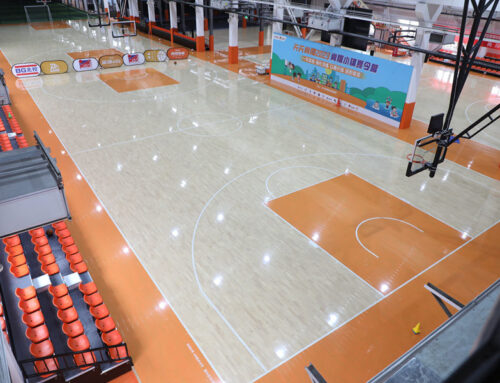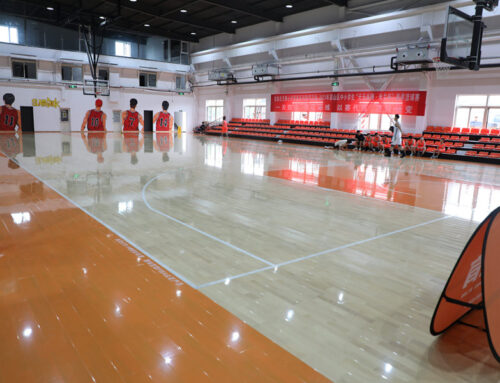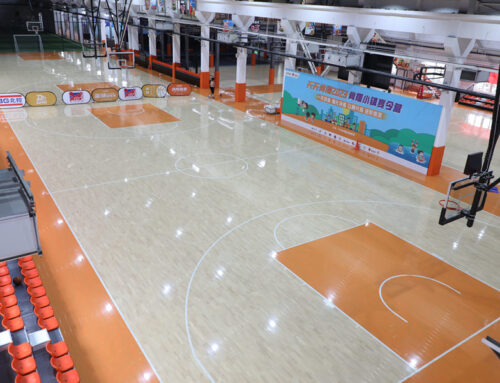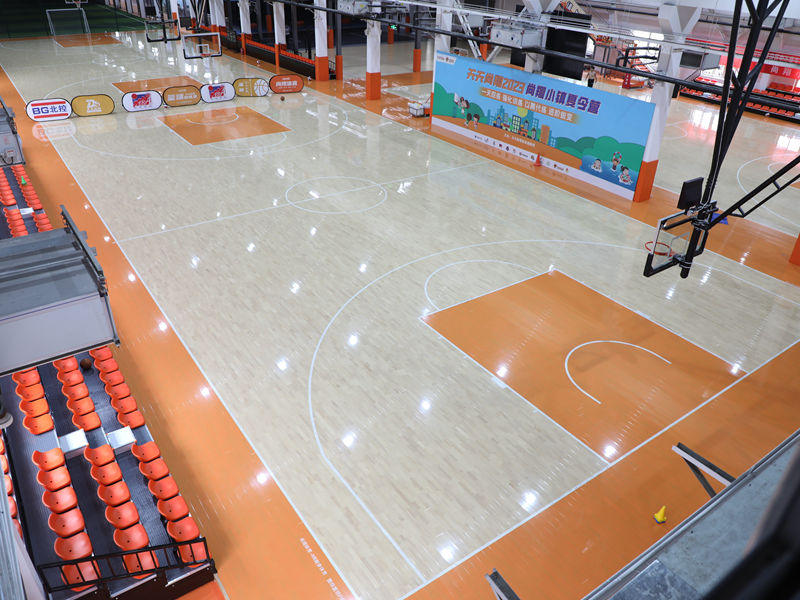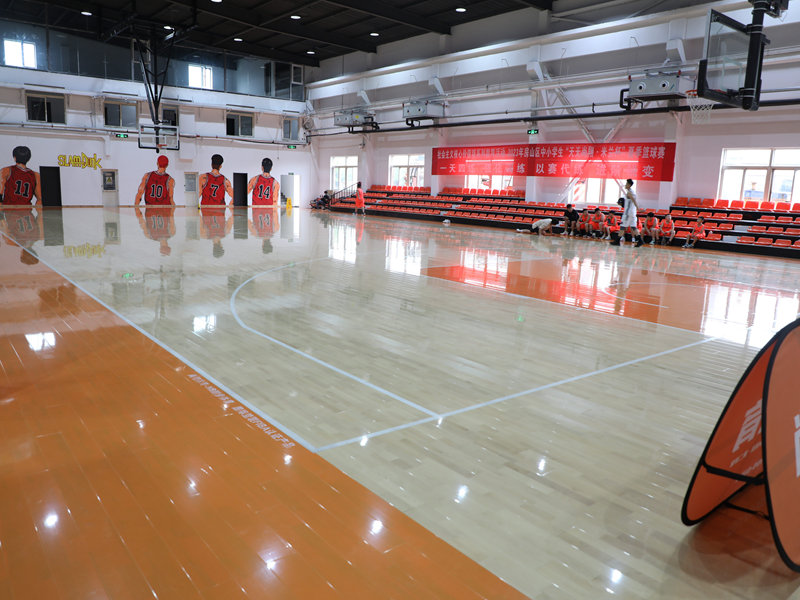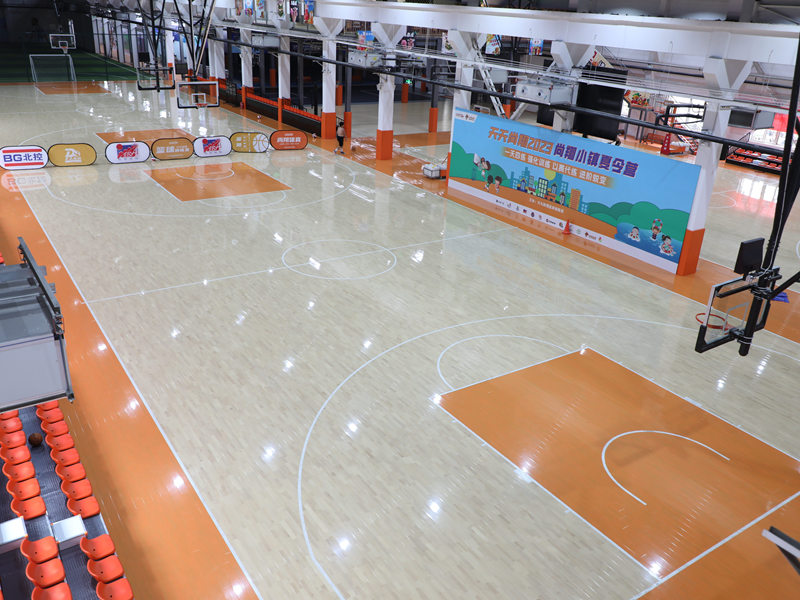
Beyond decorative customization, one of the most impactful applications of printing technology in indoor sports wooden flooring is the precise integration of functional performance markings that go far beyond simple boundary lines. Traditional hand-painted markings are limited to thick, solid lines on the surface of the floor, but modern digital printing can create micro-thin, highly precise markings that are embedded beneath the wear layer, allowing for the inclusion of performance-enhancing visual elements that would be impossible to create with conventional methods.
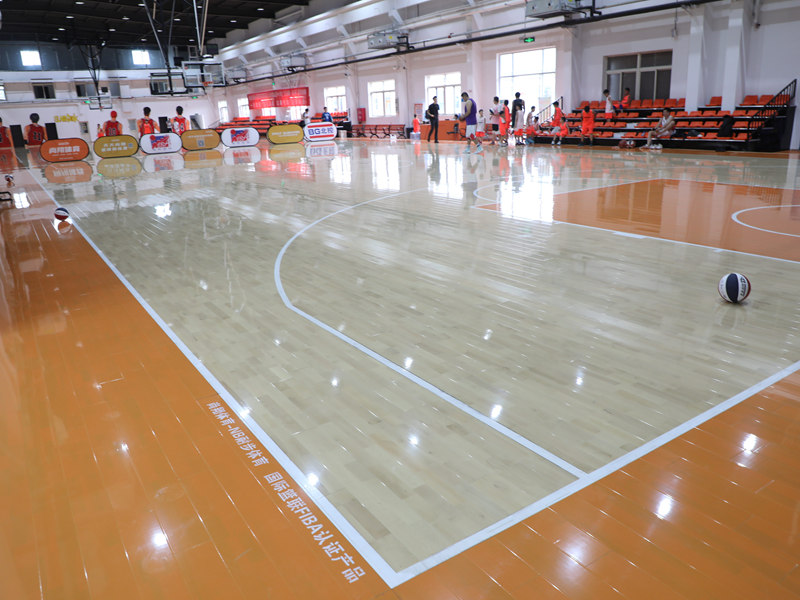
For example, many professional basketball facilities now use printed micro-markings that are barely visible to spectators but clearly distinguishable to players, marking optimal takeoff points for layup drills and standard positions for offensive set plays. These subtle markings help coaches run more efficient training sessions, as players can quickly align themselves to standardized positions without needing constant verbal direction. In elite badminton facilities, printing technology can be used to create ultra-thin service lines that meet the exact dimensional requirements of international competition governing bodies, with a level of precision that hand-painting could never achieve. This eliminates the minor measurement errors that often lead to disputes during high-stakes competitive matches. Printed functional markings can also be calibrated to have subtle differences in visual contrast that help athletes with visual impairments navigate the playing surface more easily, making sports facilities far more accessible to para-athletes. Unlike adhesive markings that can bubble and peel over time, these printed functional elements are permanently fused to the flooring substrate, ensuring they remain perfectly aligned and fully visible for the entire lifespan of the floor. This level of precision in functional marking integration has raised the standard for competitive sports facilities around the world, creating playing surfaces that meet the exact dimensional requirements of every international sports governing body, while also supporting more effective training and more inclusive athletic participation.