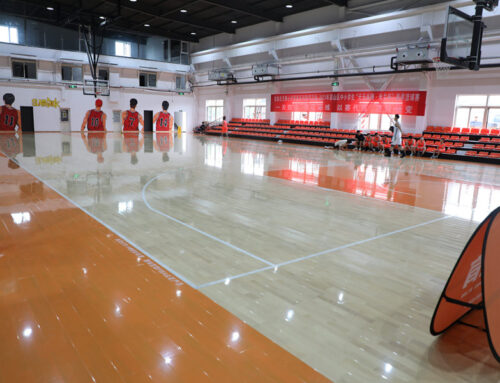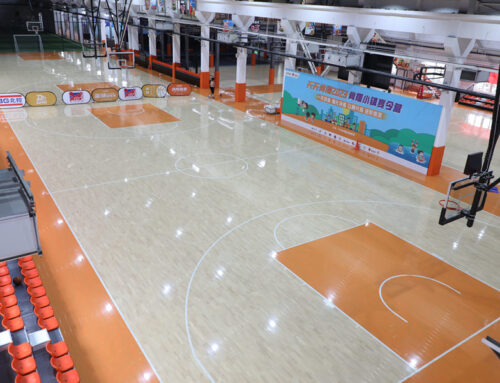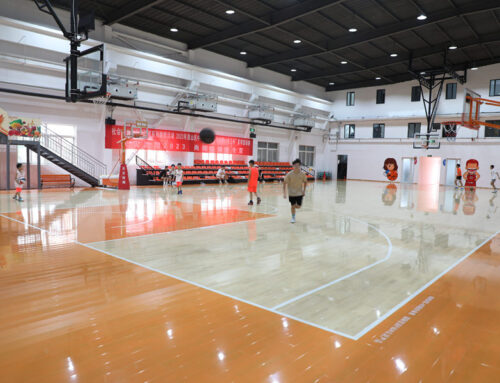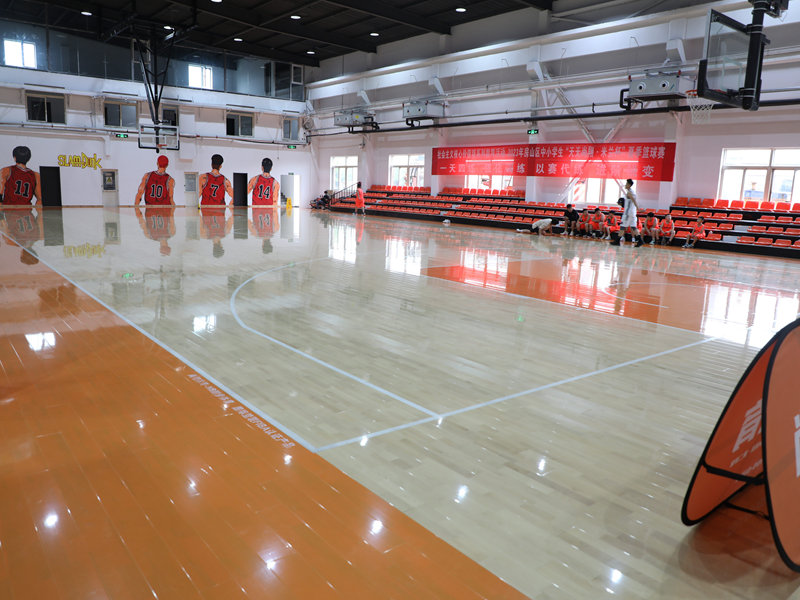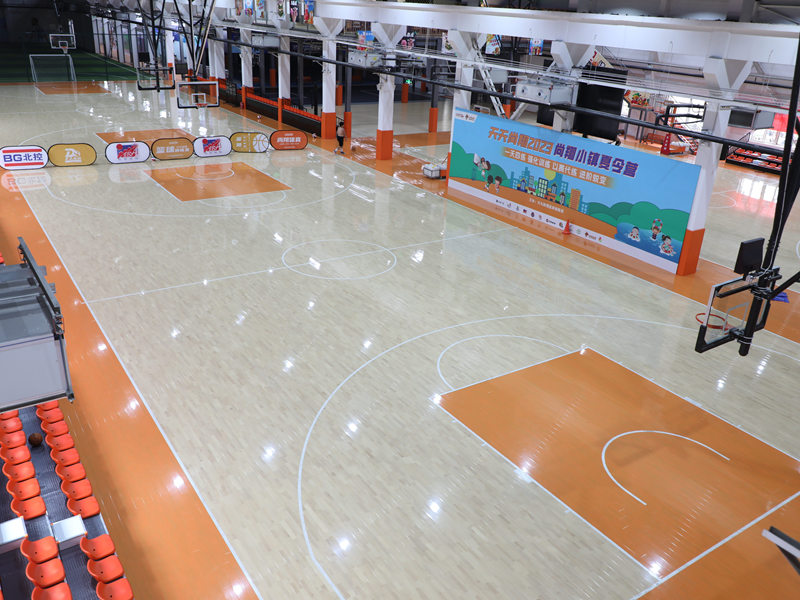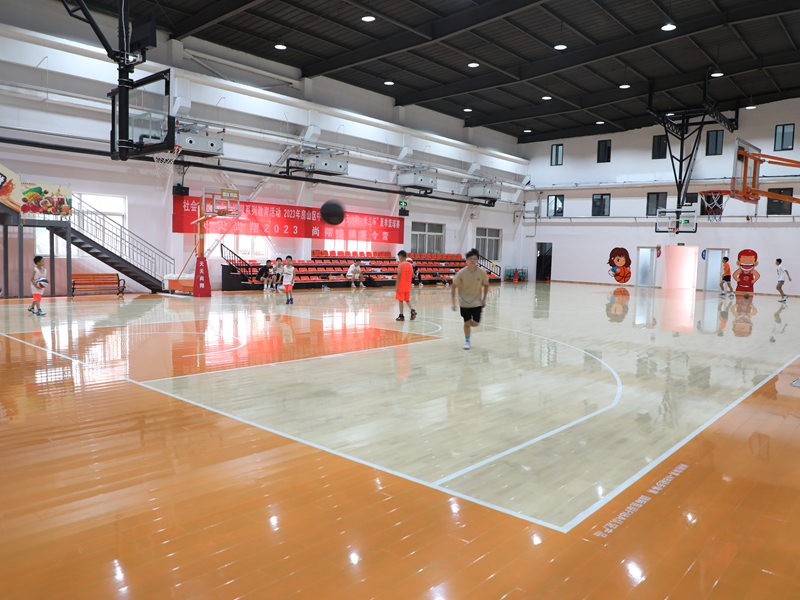
Indoor basketball court wood flooring is one of the most environmentally friendly sports flooring options available, far more sustainable than almost any synthetic alternative. Wood is a completely renewable natural material, as long as it is sourced from responsibly managed forests that practice sustainable harvesting. When trees are harvested to make wood flooring, new trees are planted in their place, and over their lifetime, those new trees absorb carbon dioxide from the atmosphere, helping to fight climate change. Unlike synthetic sports floors, which are made from non-renewable petroleum-based materials, and which end up in landfills at the end of their relatively short lifespan, a wood basketball floor can be reused, refinished, or even recycled at the end of its very long life.
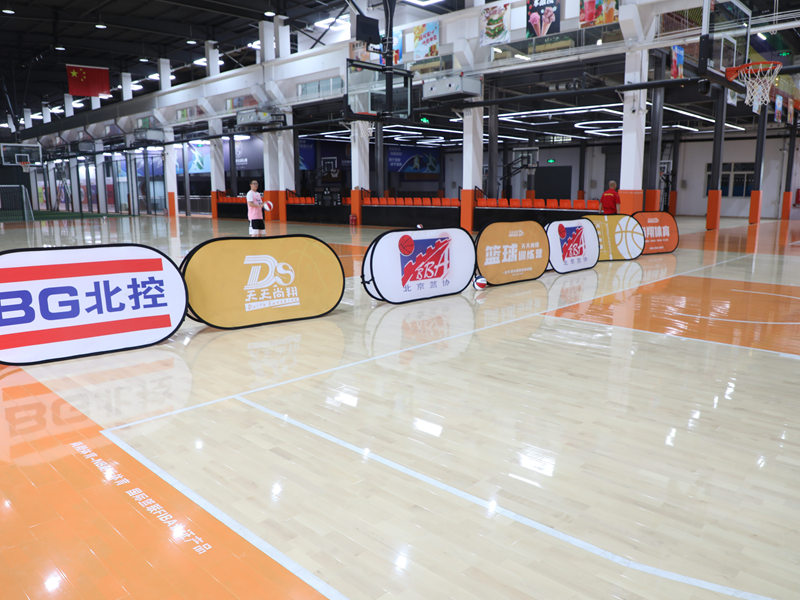
The extremely long lifespan of a wood basketball floor is one of its biggest environmental advantages. A single wood floor can last 50 years or more, with regular refinishing, which means that you do not have to tear it out and replace it every 10 or 15 years the way you do with synthetic floors. That means far less waste going to landfills over time, and far fewer raw materials that have to be extracted and processed to make new flooring. Even when a wood floor finally reaches the end of its usable life as a basketball court, the wood can be recycled and turned into other products, like furniture, or even used as biomass fuel, so almost nothing goes to waste.
The manufacturing process for wood basketball floors also produces far fewer harmful emissions and toxic chemicals than the manufacturing process for synthetic sports floors. Most of the processing steps for wood are mechanical, cutting and sanding the natural material, rather than complex chemical manufacturing processes that release volatile