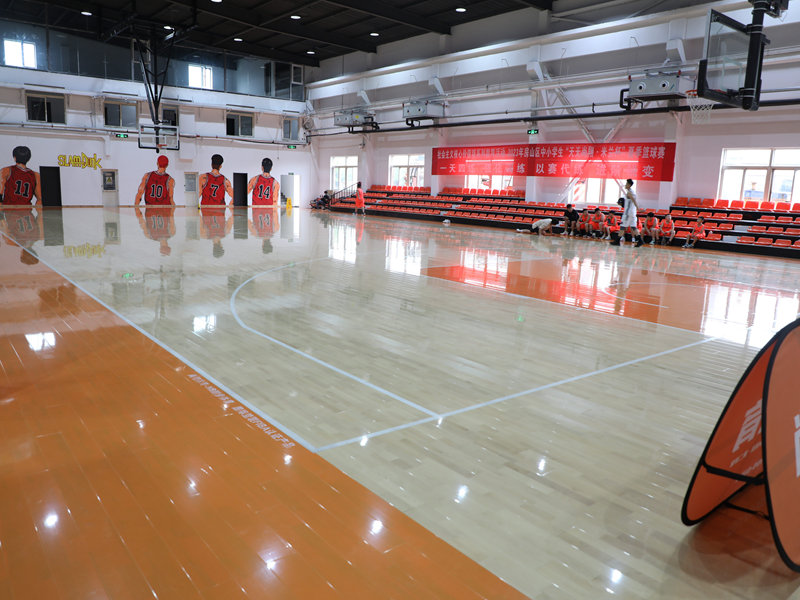
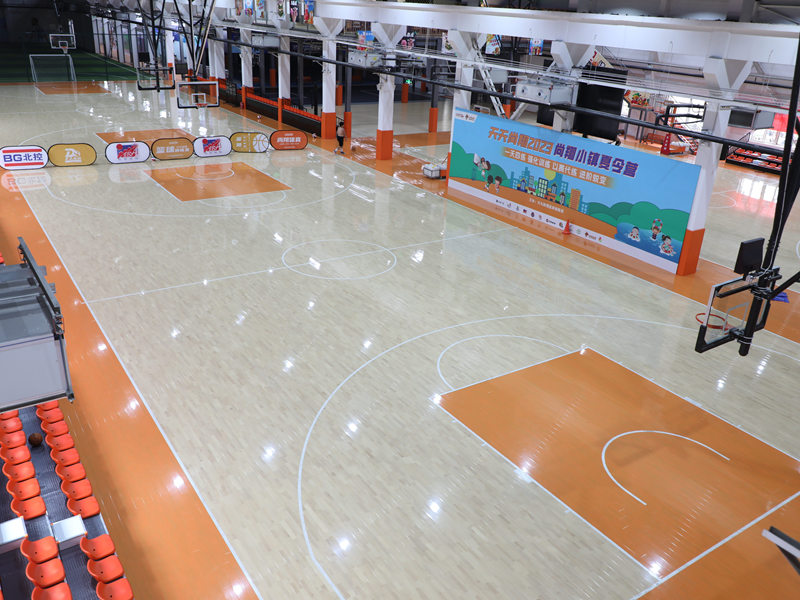
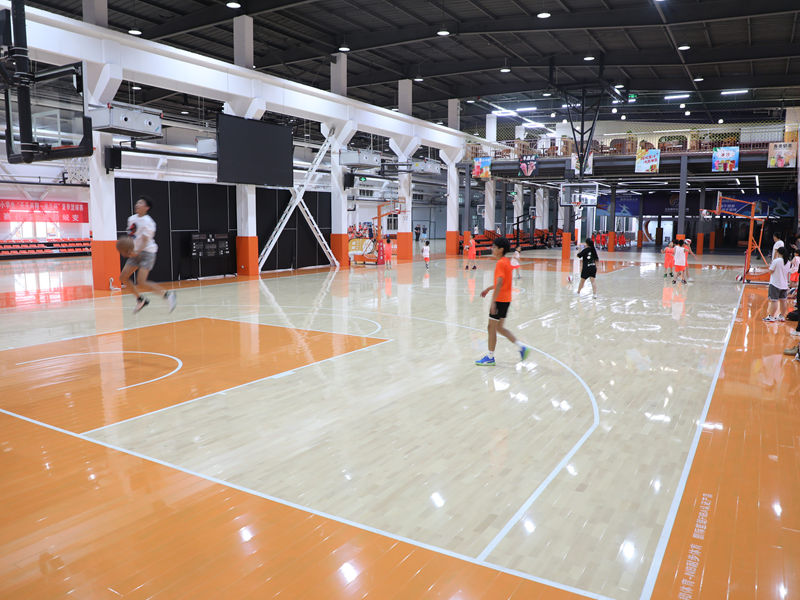
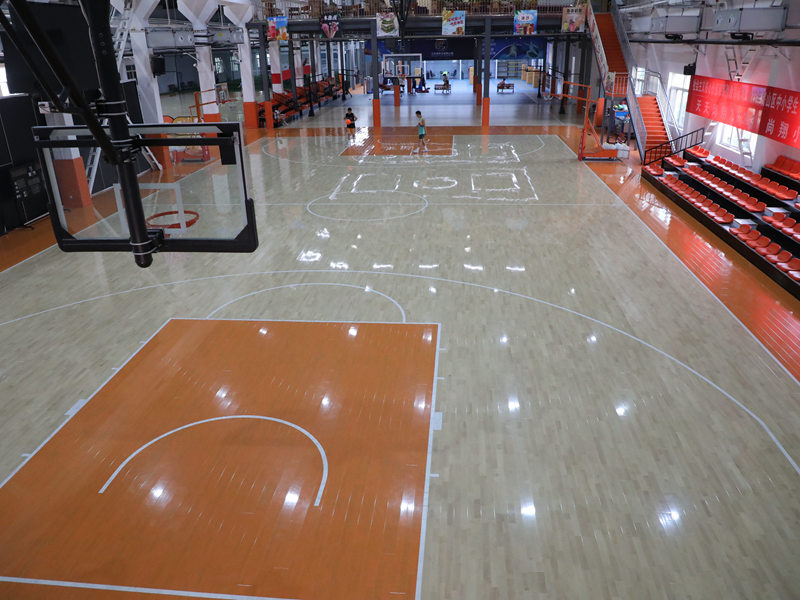
There are many common misconceptions about indoor basketball court wood flooring that prevent some facility managers from choosing wood even when it would be the best option for their space. One of the most widespread myths is that wood floors are high-maintenance and require constant, expensive work to keep them in good condition. In reality, a properly installed wood floor is far easier to maintain than most synthetic sports surfaces, which require specialized cleaning equipment, frequent patching of damaged areas, and complete replacement every decade. The daily maintenance for a wood floor is just a quick sweep with a microfiber mop, and the only major work required is a simple refinishing process once every 10 to 15 years, which is far less total work than the ongoing repairs that synthetic surfaces need.

Another common misconception is that indoor basketball court wood flooring is easily damaged and will dent and scratch after just a few years of heavy use. While it is true that low-quality, soft wood floors can get damaged easily, the dense, high-hardness hardwood species used for modern sports floors are incredibly durable, designed specifically to stand up to thousands of hours of running, jumping, and heavy foot traffic. These floors are built to handle far more abuse than any residential hardwood floor, and they can easily support the weight of heavy bleachers, stage equipment, and event furniture as long as basic reasonable precautions are taken. Many wood courts that were installed in the mid-20th century are still in perfect condition today, proving just how long-lasting these surfaces can be.
Some people also incorrectly believe that wood floors are more slippery than synthetic surfaces, but this is only true if the floor has been poorly maintained with the wrong type of finish or layers of built-up dirt. When properly finished and cleaned, indoor basketball court wood flooring offers perfectly calibrated, consistent traction that is preferred by almost every professional basketball player. Unlike synthetic surfaces that can become slippery when even slightly damp, a well-maintained wood floor actually maintains its traction much better in slightly damp conditions, making it far safer for players when sweat or small spills get on the surface. These misconceptions often come from people who have only experienced old, poorly maintained wood floors, and they do not reflect the performance of modern, properly installed and maintained systems.