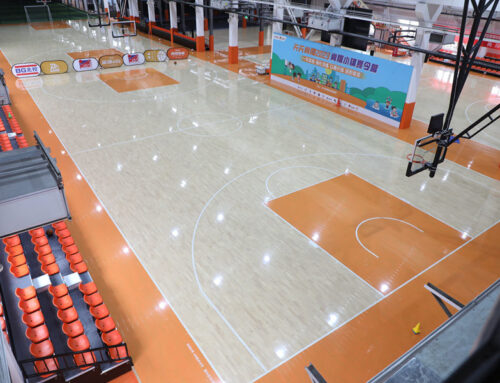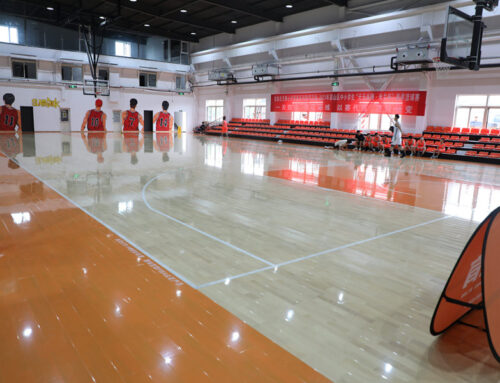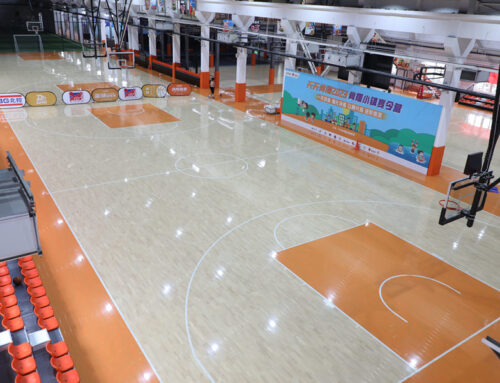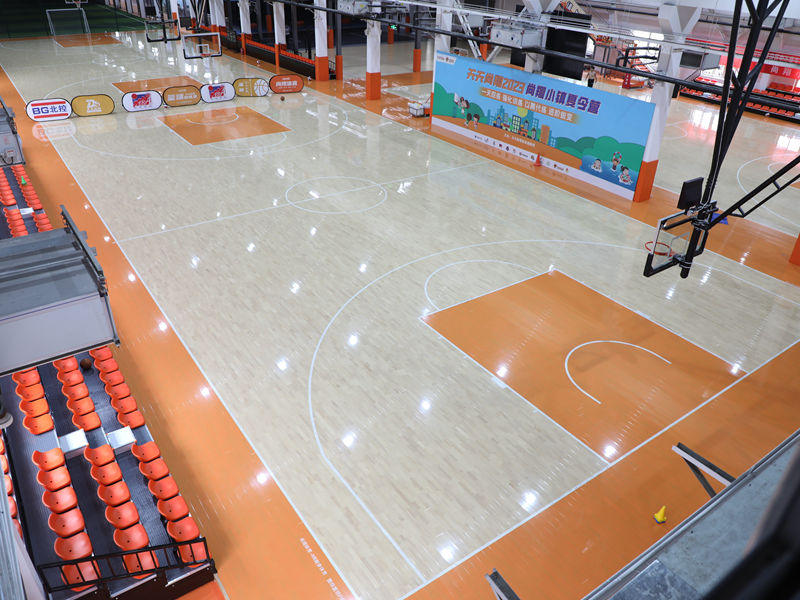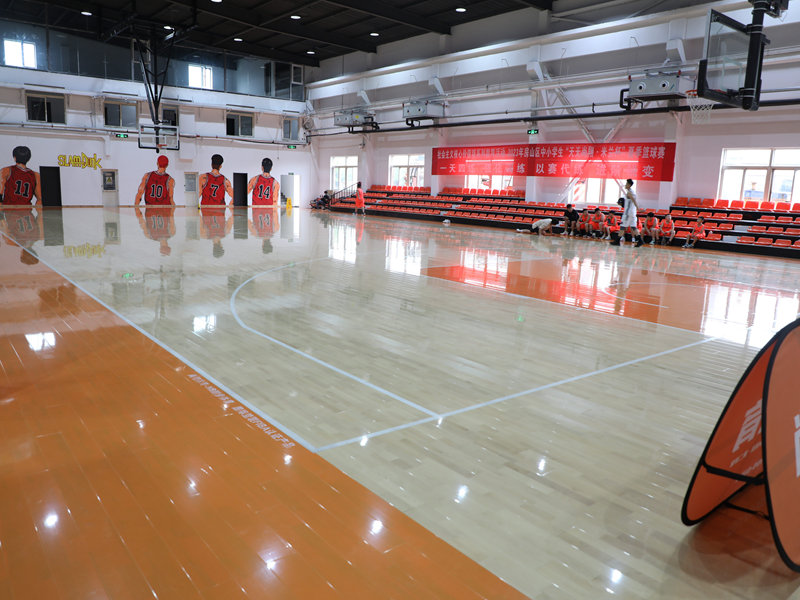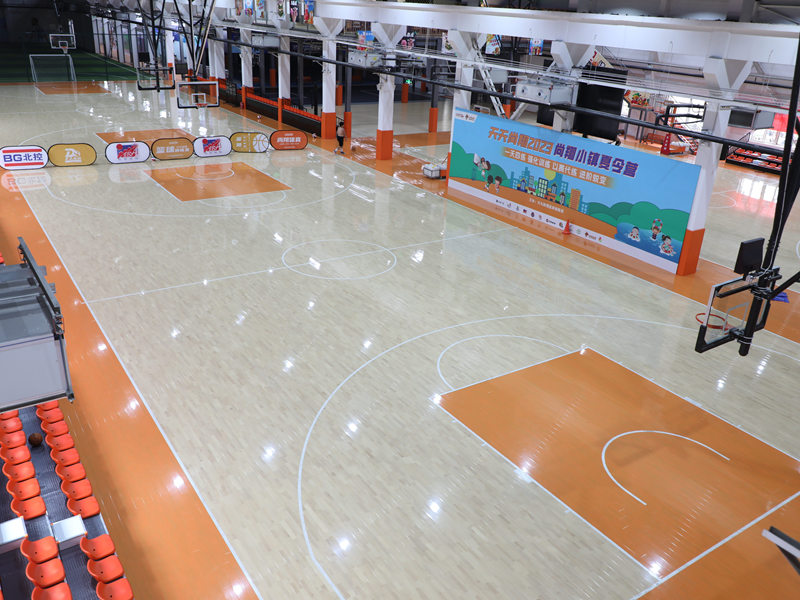
In the past, indoor sports venues were limited to a very narrow range of flooring designs: a uniform light brown wood surface with white or black standard court lines, with no room for creative customization. This one-size-fits-all approach failed to reflect the unique identity of the teams, schools, and communities that used these spaces, making many gyms feel generic and impersonal. The rise of advanced printing technology has completely overturned this limitation, giving venue designers almost unlimited creative freedom to customize every square meter of the sports flooring surface.
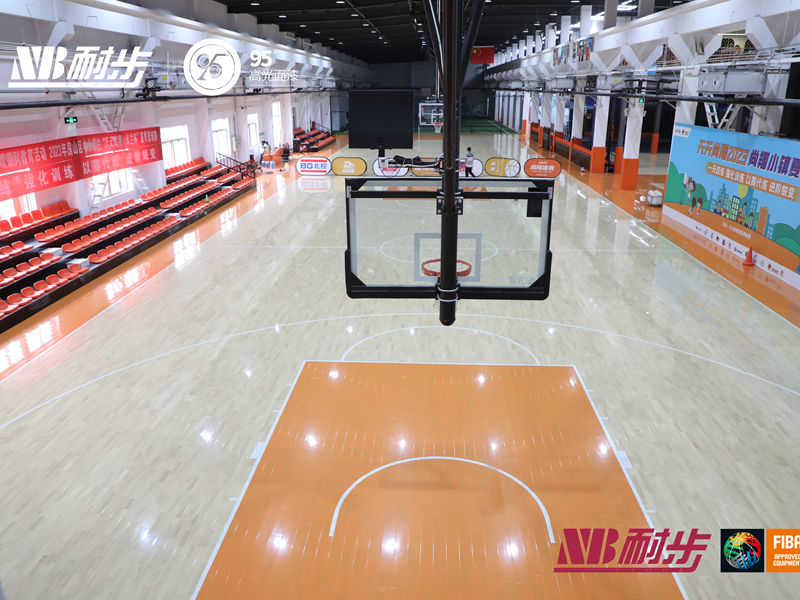
Today, designers can integrate subtle gradient color transitions that run across the entire court, add large-scale graphic elements that celebrate local cultural heritage, or embed team-specific imagery that creates a strong sense of home court advantage for competitive athletic programs. These custom printed elements are not just decorative; they can also be used to enhance athletic performance, by adding subtle visual cues that help players quickly identify key areas of the court, such as the low-post area in basketball or the attack line in volleyball. For multi-purpose facilities that host a dozen different sports on the same surface, printing technology allows for the integration of faint, semi-transparent secondary court markings that are only visible under specific lighting conditions, eliminating the cluttered, confusing appearance of multiple overlapping painted lines. This custom design flexibility also extends to the grain pattern of the wood itself: designers can choose to create a uniform, sleek grain pattern that gives the court a modern, minimalist aesthetic, or they can print a more varied, natural grain that mimics the look of a traditionally laid solid wood floor. For youth sports facilities, printed flooring can even incorporate subtle educational elements, such as faint geometric patterns that help young players learn spatial awareness on the court, without creating visual distractions that interfere with competitive play. This level of customization turns a simple functional playing surface into a core part of the venue’s overall design narrative, creating spaces that athletes, spectators, and community members feel proud to use and call their own.