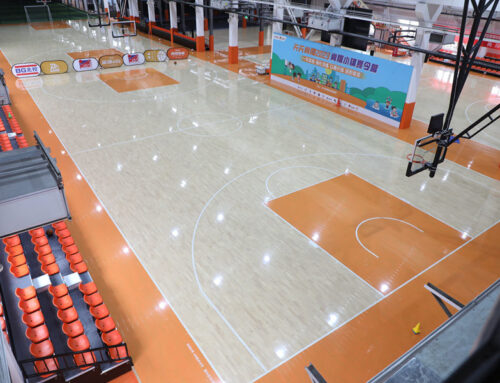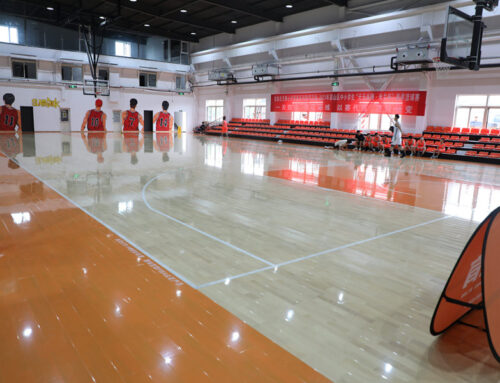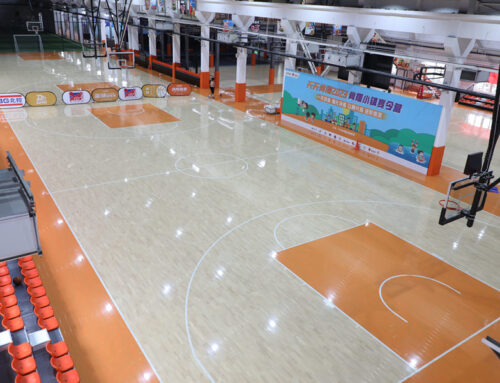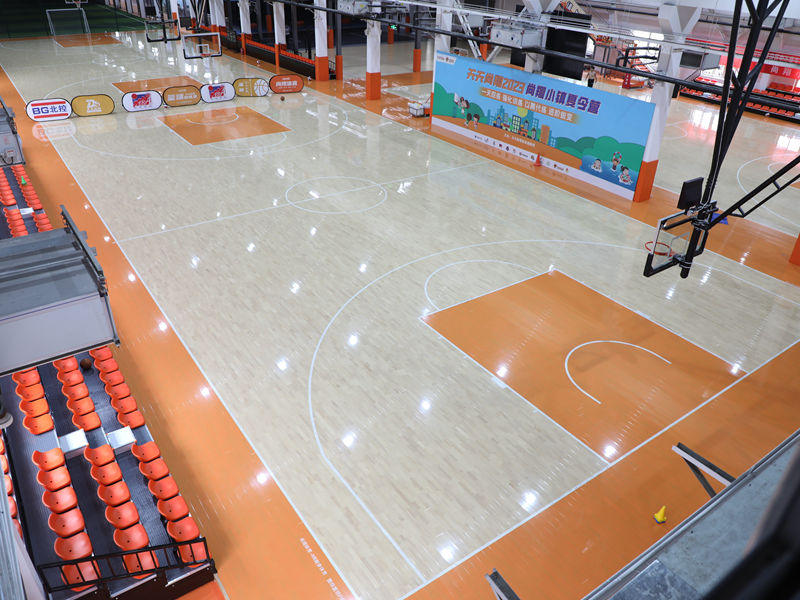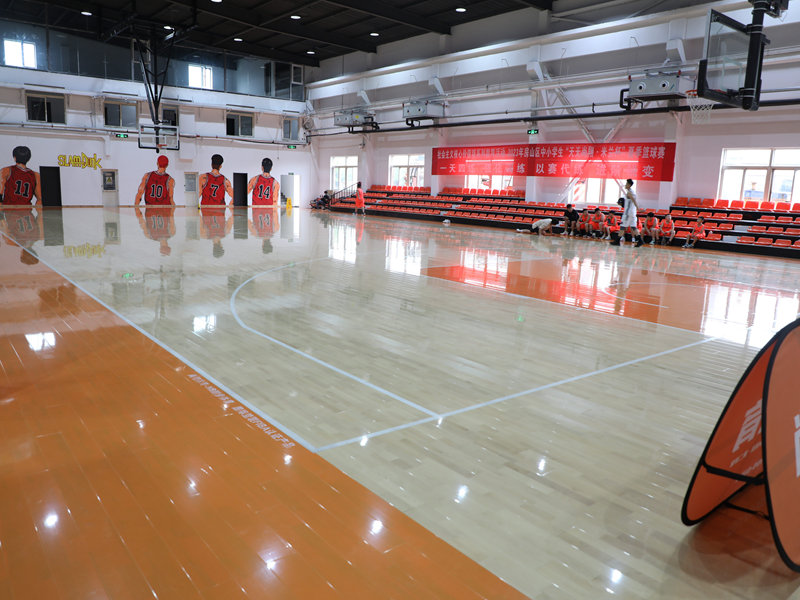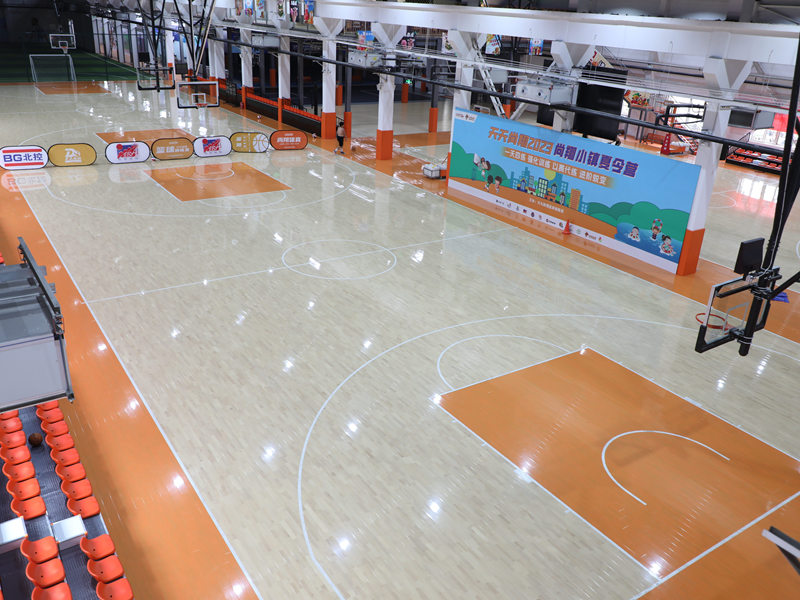
Schools and educational institutions are among the most important users of indoor sports wooden flooring. From elementary school gymnasiums to university athletic centers, wood floors provide the performance, safety, and durability that young athletes need. This article explores the unique considerations, benefits, and challenges of installing and maintaining indoor sports wooden flooring in educational facilities.
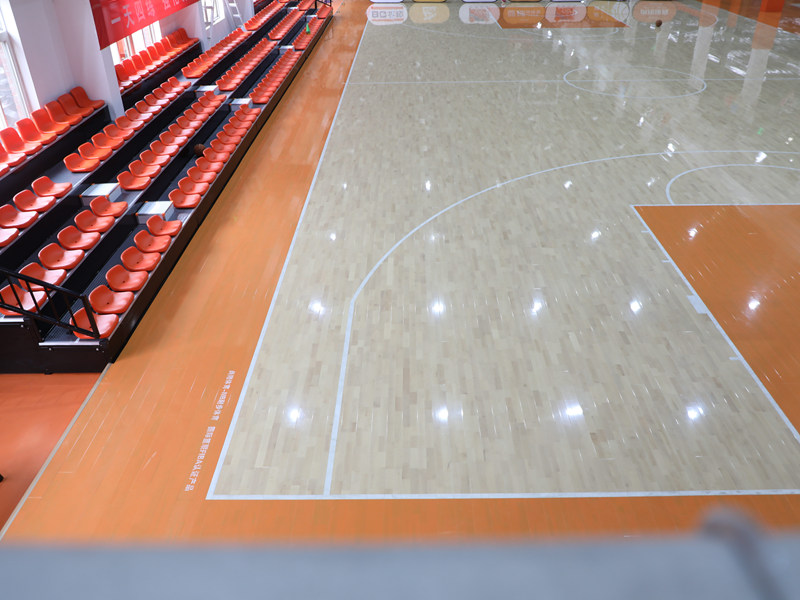
Why Schools Choose Wood Floors
The decision to install indoor sports wooden flooring in a school is driven by several factors. First and foremost is safety. Young athletes are still developing physically, and their bones, joints, and muscles are more vulnerable to injury than those of adult athletes. A wood floor with proper shock absorption reduces the impact on growing bodies, lowering the risk of sprains, fractures, and chronic conditions like Osgood-Schlatter disease.
Second is performance. Students who play sports on a quality wood floor develop better skills, faster reaction times, and more confidence than those who play on inferior surfaces. The consistent ball bounce and reliable traction of a wood floor allow young athletes to build proper technique and muscle memory.
Third is durability. School budgets are tight, and facility managers need a floor that will last for decades without expensive replacement. Indoor sports wooden flooring, with a lifespan of 30 to 50 years, is one of the most cost-effective flooring options available when the total cost of ownership is considered.
Unique Challenges of School Facilities
While the benefits of indoor sports wooden flooring in schools are clear, there are unique challenges that must be addressed.
The first challenge is multipurpose use. School gymnasiums host basketball, volleyball, badminton, assemblies, dances, and even exams. The floor must be able to accommodate all of these activities without damage. This requires a versatile floor system with convertible court markings and a durable finish that can withstand heavy, varied use.
The second challenge is budget constraints. Schools operate on limited budgets, and the upfront cost of a professional wood floor can be prohibitive. However, there are cost-effective options available. Thinner planks (20mm instead of 26mm), engineered wood construction, and a simpler shock pad system can all reduce the initial cost without sacrificing too much performance. Many school districts also qualify for grants and funding programs that support athletic facility improvements.
The third challenge is maintenance. School custodial staff are often already stretched thin, and adding the responsibility of maintaining a sports wood floor can be overwhelming. The solution is to specify a floor with a durable UV-cured finish that requires minimal maintenance, and to establish a simple daily maintenance routine (sweeping and damp mopping) that can be performed by existing staff. Annual professional sanding should be outsourced to a sports floor maintenance company.
Specifying the Right Floor for Schools
When specifying indoor sports wooden flooring for a school, several factors should be considered.
Species: Maple is the best choice for basketball courts, while oak is a good, more affordable option for multipurpose facilities. Beech is also suitable and is commonly used in European schools.
Thickness: 20mm to 22mm planks are sufficient for most school applications. Thicker planks (26mm) are only necessary for high-level competitive use.
Shock absorption: A DIN rating of 35% to 50% is appropriate for most school sports. This provides adequate protection for young athletes without making the floor too soft, which can actually increase the risk of ankle injuries.
Finish: A matte or semi-gloss UV-cured finish is the best choice for schools. It is durable, easy to maintain, and provides good traction.
The Educational Value of a Quality Floor
Beyond the physical benefits, indoor sports wooden flooring has an educational value that is often overlooked. A well-maintained, professional-looking gymnasium sends a message to students that their athletic programs are valued and that they deserve the best. This can increase participation in sports, improve student morale, and even contribute to better academic performance, as research has consistently shown a link between physical activity and cognitive function.
Furthermore, a wood floor teaches students about quality and care. When they see a beautiful, well-maintained floor, they learn to respect it and take pride in their facility. This instills values of responsibility and stewardship that extend far beyond the gymnasium.
Case Study: A School District Transformation
Consider the example of a mid-sized school district in the Midwest that replaced its old concrete gym floors with indoor sports wooden flooring across five schools. The initial investment was 1.2million,whichwasfundedthroughacombinationofdistrictfundsandastateathleticfacilitygrant.Withinthreeyears,sportsparticipationincreasedby2550,000 per year in revenue. The floors have now been in service for eight years with only routine maintenance, and they show no signs of needing replacement.
This case study illustrates the long-term value of indoor sports wooden flooring in educational facilities. It is not just a floor — it is an investment in the health, performance, and future of young athletes.
In conclusion, indoor sports wooden flooring is the ideal choice for schools and educational institutions. By addressing the unique challenges of school facilities and specifying the right floor system, administrators can provide students with a safe, high-performance surface that will serve them for decades.