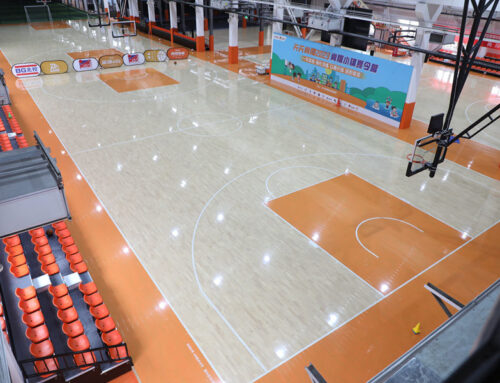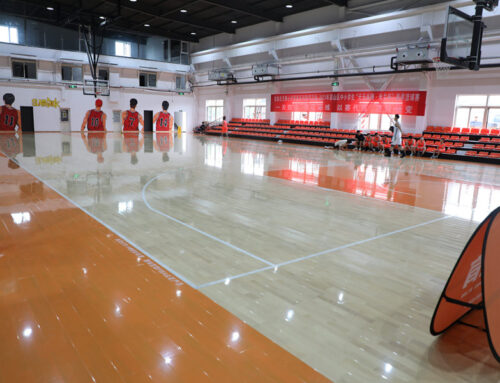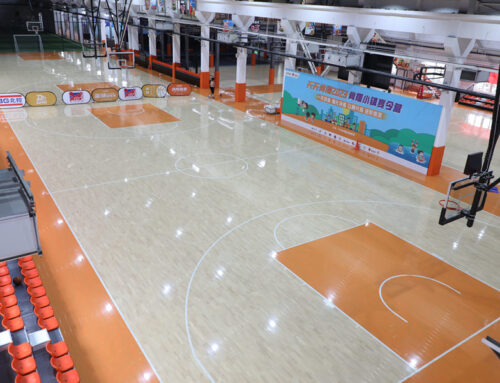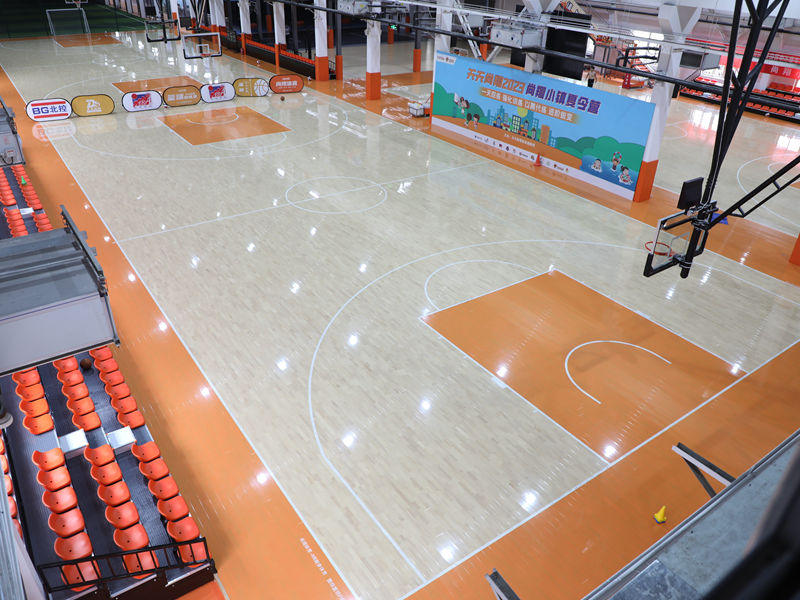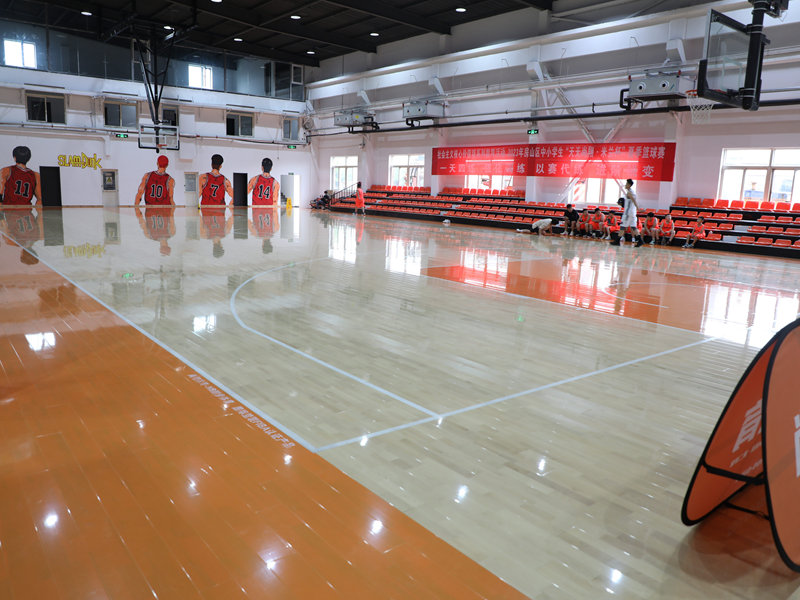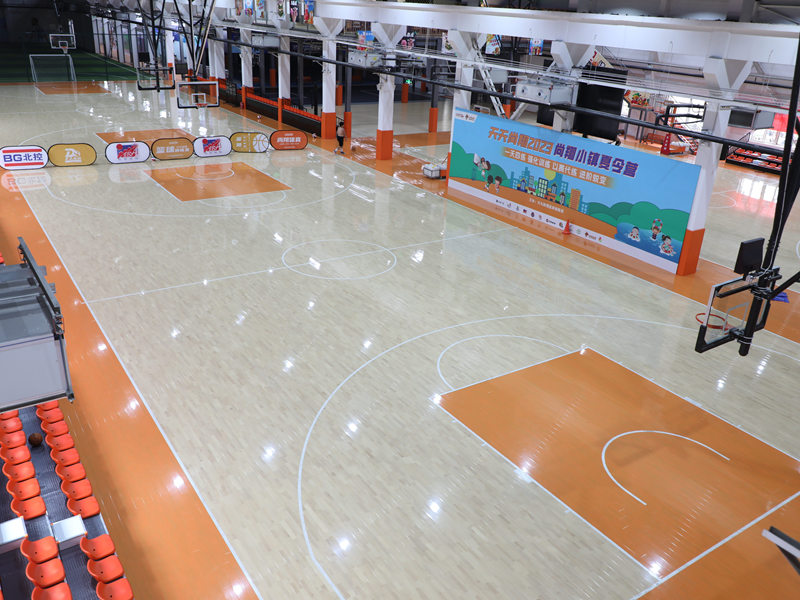
The modern athletic facility is no longer designed for a single sport. Schools, community centers, corporate wellness centers, and municipal recreation complexes all need floors that can accommodate basketball, volleyball, badminton, futsal, and more — sometimes all in the same day. Indoor sports wooden flooring is the only solution that can truly deliver multi-sport performance, and this article explains why.
The Multi-Sport Challenge
Designing a floor for multiple sports is one of the most complex challenges in sports facility planning. Each sport has different requirements for shock absorption, ball bounce, surface friction, and finish. Basketball needs a DIN rating of 35% to 53% and a ball bounce of 1200mm to 1400mm. Volleyball needs a DIN rating of 35% to 50% and excellent lateral traction. Badminton needs a lower DIN rating (around 30% to 40%) for faster gameplay. Futsal needs a smooth, fast surface with minimal ball absorption.
A single indoor sports wooden flooring system can meet all of these requirements by using a modular shock pad system. Instead of a uniform layer of foam beneath the entire floor, modular pads of different thicknesses and densities can be installed in specific zones. The basketball area gets thicker, denser pads for higher shock absorption. The volleyball area gets medium-density pads for balanced performance. The badminton area gets thinner pads for a firmer feel. The futsal area gets a smooth, low-profile pad system for speed.
Convertible Court Markings
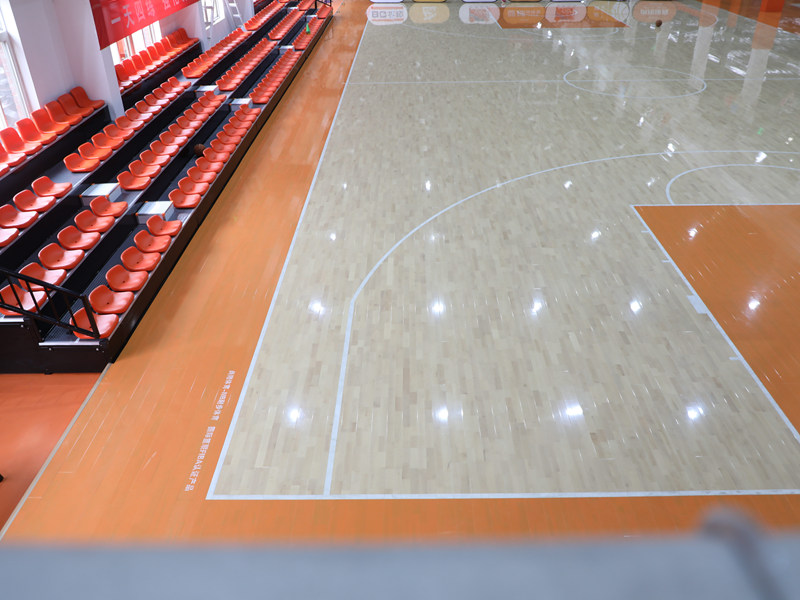
One of the most innovative features of multi-sport wood floors is convertible court markings. Instead of painting permanent lines for each sport, facilities can use stencils and removable paint to change the court configuration in minutes. A basketball court can become two badminton courts, which can become a futsal pitch, all on the same wood floor. This flexibility maximizes the utility of the facility and ensures that the floor is being used to its full potential every hour of the day.
The Financial Case for Multi-Sport Wood Floors
While the upfront cost of a multi-sport wood floor is higher than a single-sport floor or a synthetic alternative, the long-term financial case is overwhelming. A multi-sport facility can generate revenue from multiple programs, attract more users, and charge higher rental rates. The floor itself lasts 30 to 50 years with proper maintenance, meaning the cost per use per year is incredibly low. In contrast, a synthetic floor may need to be replaced every 8 to 12 years, and it will never perform as well as wood.
Design Considerations
When designing a multi-sport facility with indoor sports wooden flooring, several factors must be considered. The ceiling height must be sufficient for all sports (typically 7 to 10 meters). The lighting must be even and glare-free. The HVAC system must maintain consistent temperature and humidity (ideally 20-22°C and 40-60% relative humidity) to protect the wood. And the floor must be designed with expansion gaps and a flexible subfloor to accommodate the natural movement of the wood.
The Future of Multi-Sport Facilities
The trend toward multi-sport facilities is accelerating, driven by urbanization, budget constraints, and the desire for year-round athletic programming. Indoor sports wooden flooring is at the heart of this trend, providing a surface that can adapt to any sport, any program, and any user. As technology advances, we can expect even more sophisticated modular systems, smarter shock absorption materials, and more flexible court configurations.
Indoor sports wooden flooring is not just a floor — it is a platform for athletic excellence, community engagement, and long-term value. For any facility that wants to serve multiple sports and multiple users, wood is the only answer.