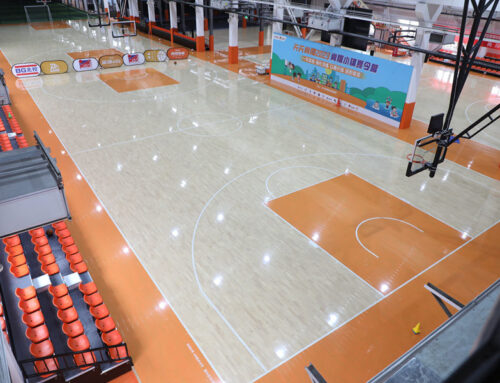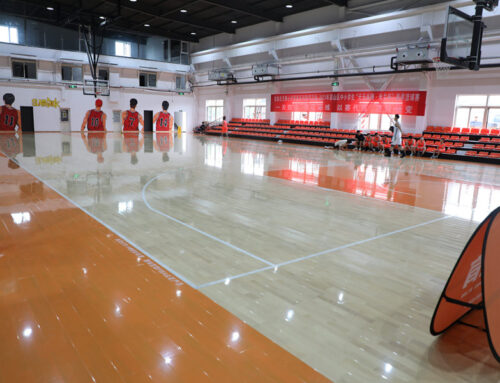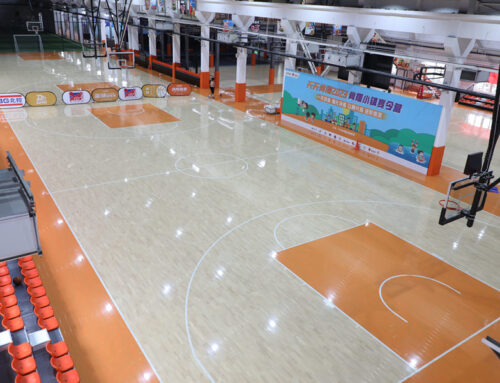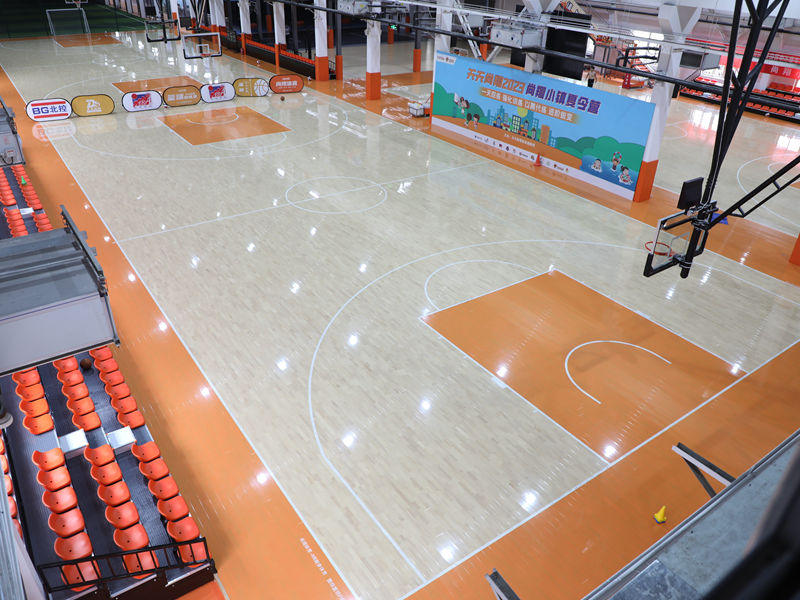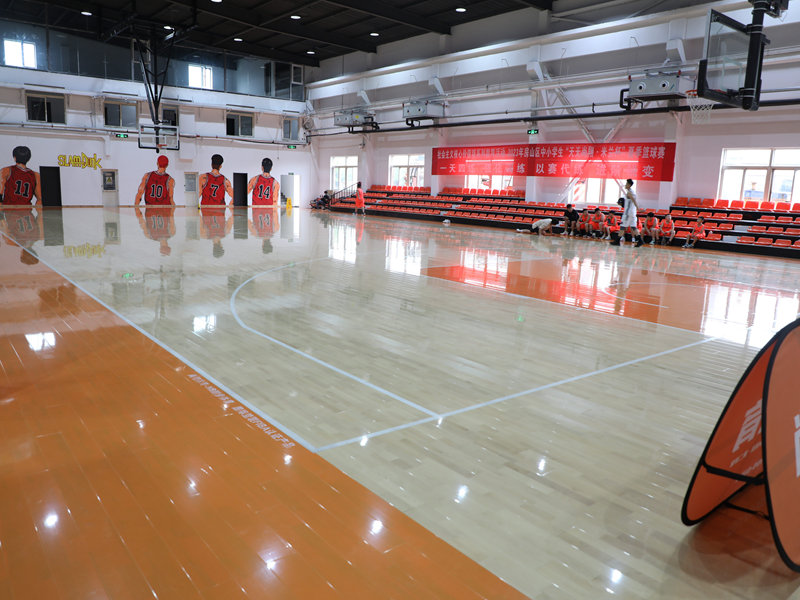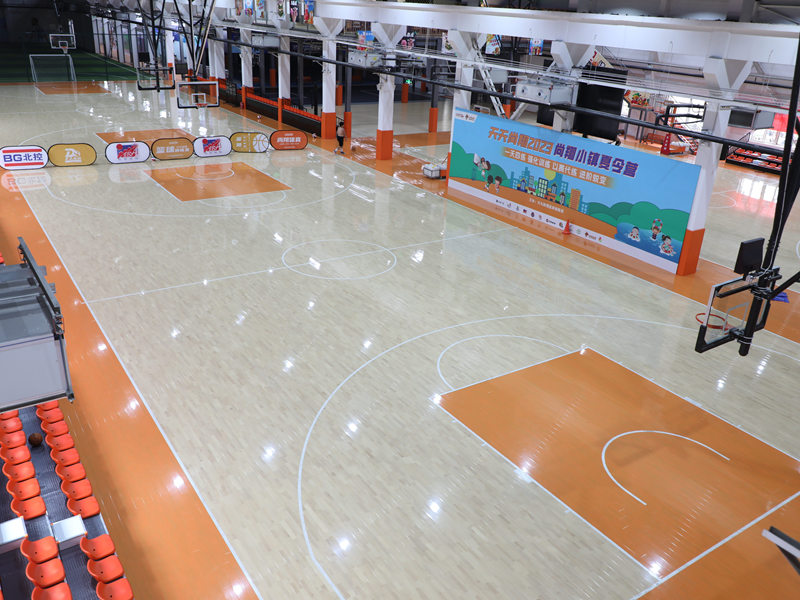
Indoor sports wooden flooring is not just a functional surface — it is a design statement. The color, grain pattern, and finish of the wood can transform the look and feel of an entire athletic facility, creating an atmosphere that inspires athletes and delights spectators. This article explores the vast world of color, finish, and design options available in indoor sports wooden flooring, and how to choose the right aesthetic for your facility.
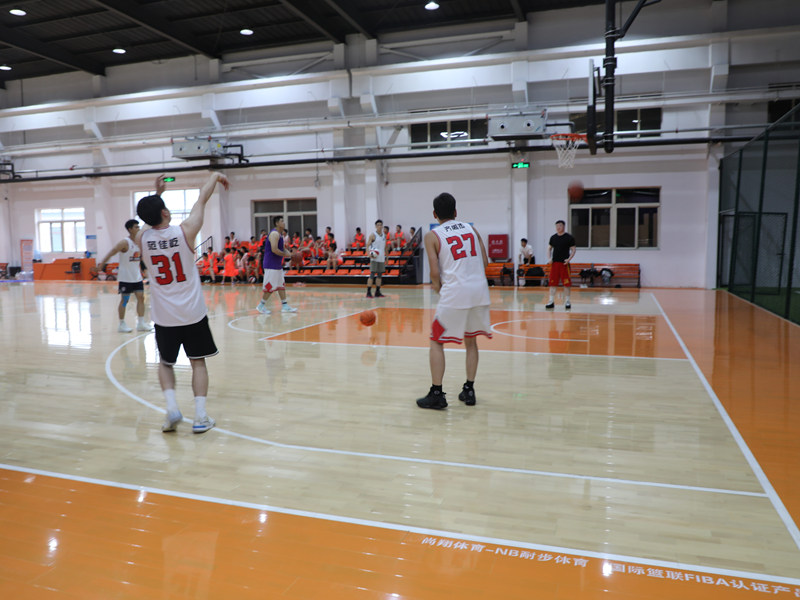
The Role of Color in Sports Facility Design
Color is one of the most powerful tools in facility design. It affects mood, energy, and perception. A light-colored floor makes a space feel larger, brighter, and more open. A dark-colored floor creates a sense of intimacy, drama, and sophistication. The color of the floor also affects how the ball and the lines are perceived — a light floor with dark lines provides excellent contrast, making it easy for players and officials to see the court markings.
Maple, the most popular species for indoor sports wooden flooring, is naturally light in color, ranging from creamy white to pale blonde. This light color is one of the reasons the NBA mandates maple for its courts — it provides the best contrast with the orange ball and the dark court lines. Oak, on the other hand, has a warmer, more golden tone that creates a classic, traditional look. Beech is similar to maple in color but with a slightly more uniform appearance.
Staining Options
While most professional sports floors use the natural color of the wood, staining is an option that can dramatically change the appearance of the floor. Stains can darken the wood to a rich honey tone, a deep amber, or even a near-black color. However, staining is less common in professional sports because it can affect the consistency of the ball bounce and may not meet the standards of governing bodies like the NBA or FIBA.
For recreational and multipurpose facilities, staining is a popular option because it allows facility owners to match the floor to their brand colors or interior design scheme. A school gymnasium with blue and gold branding, for example, might choose a lightly stained oak floor to complement the wall colors and seating.
Finish Types and Their Visual Effects
The finish applied to indoor sports wooden flooring has a significant impact on its appearance. There are three main types of finishes, each with a distinct look and feel.
Matte finish is the most common for professional sports floors. It provides a smooth, non-reflective surface that reduces glare from overhead lights. A matte finish gives the floor a clean, modern look that is preferred by most professional leagues. The downside is that matte finishes can show scuffs and wear more easily than glossier options.
Semi-gloss finish provides a slight sheen that enhances the natural beauty of the wood grain. It is more reflective than matte but less than high-gloss. Semi-gloss is a popular choice for multipurpose facilities and recreational centers because it looks elegant while still being functional.
High-gloss finish provides a mirror-like shine that makes the wood grain pop with rich, deep color. However, high-gloss finishes are rarely used in sports applications because they create too much glare, which can be distracting for players and dangerous for spectators. They are also more prone to showing scratches and scuffs.
UV-Cured Finishes: The New Standard
UV-cured finishes are rapidly becoming the industry standard for indoor sports wooden flooring. Unlike traditional polyurethane finishes, which cure over several days, UV finishes cure instantly when exposed to ultraviolet light. This means the floor can be walked on within hours of application, dramatically reducing downtime.
UV finishes also provide a harder, more durable surface that is more resistant to scuffing, scratching, and chemical damage. The visual effect of a UV finish is a deep, rich luster that enhances the natural beauty of the wood without the glare of a high-gloss finish. Many professional arenas now specify UV-cured finishes as their standard.
Design Patterns and Court Markings
The design of the court markings is another important aesthetic consideration. Traditional court lines are painted in a single color, typically white or a contrasting dark color. However, modern facilities are increasingly using multi-color designs, logos, and sponsor branding painted directly into the floor.
The center court logo is often the focal point of the design. In the NBA, each team’s arena features a unique center court logo that is an integral part of the facility’s identity. These logos are painted using stencils and high-quality sports floor paint, and they can be changed whenever the team’s branding is updated.
Trends in Floor Design
Current trends in indoor sports wooden flooring design include darker wood tones, which create a more dramatic, modern look; wider planks, which emphasize the natural grain pattern; and custom inlays, where different wood species or colors are used to create borders, logos, and decorative patterns. Some facilities are even experimenting with colored UV finishes that add a subtle tint to the wood without obscuring the grain.
Choosing the Right Aesthetic for Your Facility
The right color, finish, and design for your indoor sports wooden floor depends on the facility’s purpose, brand, and user preferences. A professional basketball arena should prioritize the light, clean look of natural maple with a matte or semi-gloss UV finish. A multipurpose community center might opt for a warmer oak tone with a semi-gloss finish and custom court markings. A corporate wellness facility might choose a dark-stained floor with a modern, minimalist design.
In conclusion, the aesthetic possibilities of indoor sports wooden flooring are virtually limitless. By carefully selecting the species, color, finish, and design elements, you can create a floor that not only performs at the highest level but also looks absolutely stunning. The floor is the centerpiece of any athletic facility, and with wood, it can be a masterpiece.