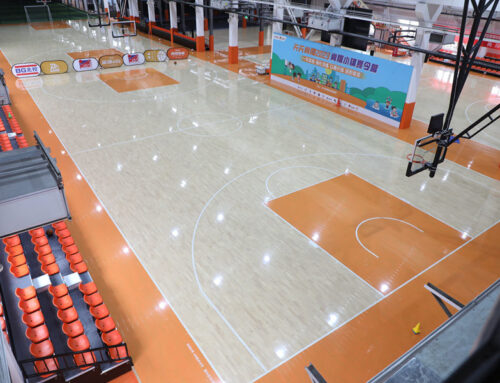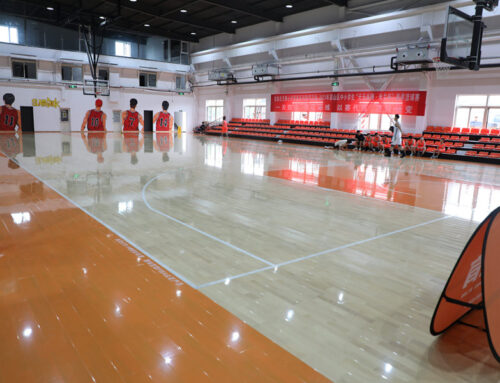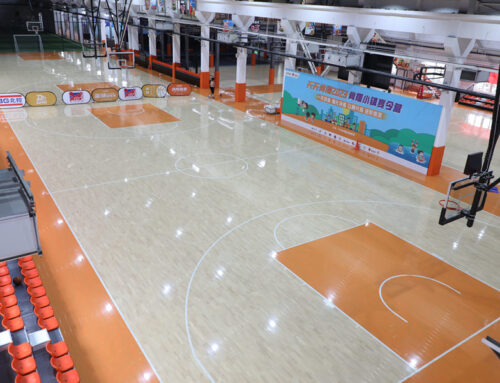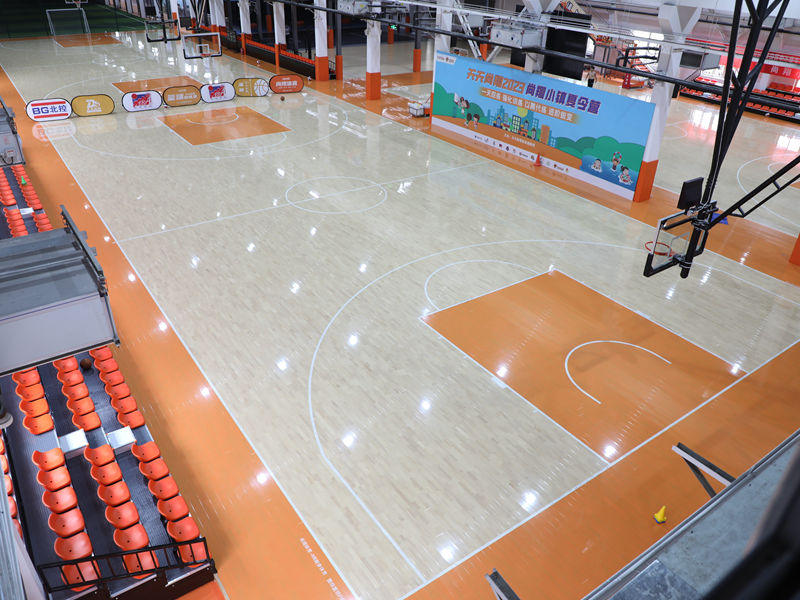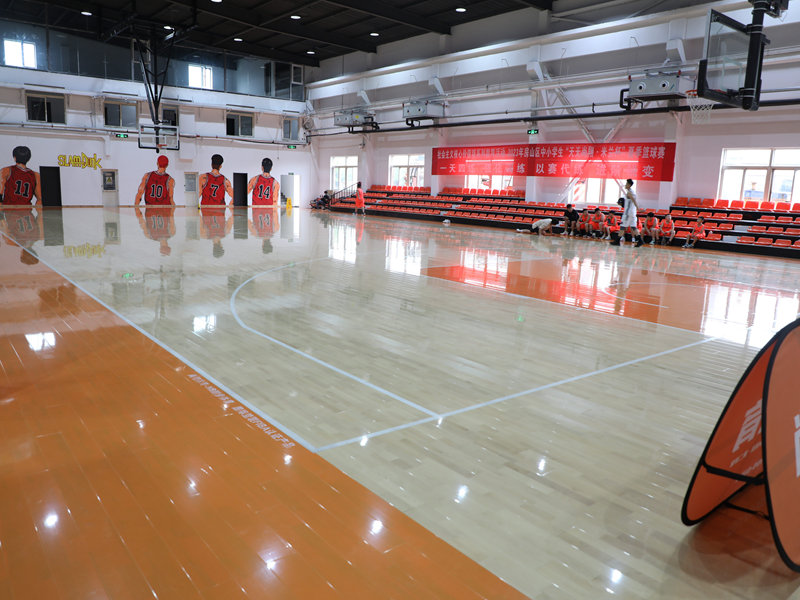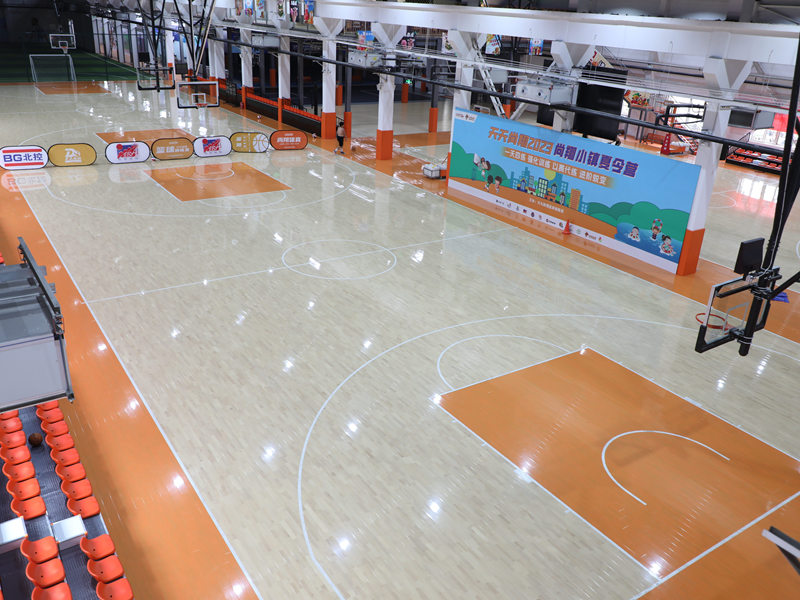
Dance and gymnastics are disciplines that demand the absolute best from a flooring surface. Dancers need a surface that allows them to slide, spin, and leap with precision, while gymnasts need a surface that absorbs the impact of landing from flips and twists. Indoor sports wooden flooring, when properly specified, can meet the unique demands of both of these disciplines. This article explores how wood floors are used in dance studios and gymnastics facilities.
Dance Studios and Wood Floors
Professional dancers have always preferred wood floors, and for good reason. A properly finished hardwood dance floor provides the perfect balance of grip and slip. Dancers need to be able to slide across the floor during turns and spins, but they also need enough traction to push off for jumps and to stop quickly. A maple or oak dance floor with a matte finish delivers exactly this balance.
The shock absorption of a wood dance floor is also critical. Dancers spend hours on their feet, performing jumps, leaps, and landings that put enormous stress on their ankles, knees, and backs. A wood floor with a sprung subfloor and a DIN rating of 40% to 50% provides the cushioning that dancers need to perform at their best without risking injury.
Spring Floors for Dance
In professional dance studios, the wood floor is often installed over a sprung floor system. A sprung floor consists of a network of springs or foam pads beneath the wood that provide additional shock absorption and energy return. This is the same technology used in professional ballet and contemporary dance companies around the world. The combination of a sprung subfloor and a hardwood top layer creates a surface that is both forgiving and responsive, allowing dancers to perform their most demanding choreography with confidence.
Gymnastics and Wood Floors
Gymnastics presents a different set of challenges. Gymnasts perform high-impact landings from vaults, flips, and twists, and the floor must absorb a tremendous amount of force. A gymnastics wood floor typically consists of a thick hardwood surface (22mm to 26mm) over a high-density shock pad system with a DIN rating of 50% to 65%, which is higher than most other sports.
The surface friction for gymnastics must also be carefully calibrated. Too much grip and the gymnast’s feet stick to the floor during tumbling; too little and they slide out of control. A matte-finished hardwood surface with a COF of 0.4 to 0.5 provides the ideal balance for gymnastics routines.
Multi-Use Facilities
Many modern fitness and performing arts centers combine dance studios and gymnastics areas under one roof. Indoor sports wooden flooring is ideal for these multi-use facilities because the same floor can be used for both disciplines with minor adjustments. A sprung dance floor can double as a low-impact gymnastics training area, and a standard gymnastics floor can be used for dance classes with the right finish.
Maintenance for Dance and Gymnastics Floors
Dance and gymnastics floors require meticulous maintenance. Daily sweeping to remove rosin and dust, weekly damp mopping with a pH-neutral cleaner, and annual professional sanding are essential. The finish should never be waxed, as wax creates a slippery surface that is dangerous for dancers and gymnasts.
Indoor sports wooden flooring is the foundation of every professional dance studio and gymnastics facility in the world. Its unique combination of performance, safety, and beauty makes it irreplaceable for these demanding disciplines.