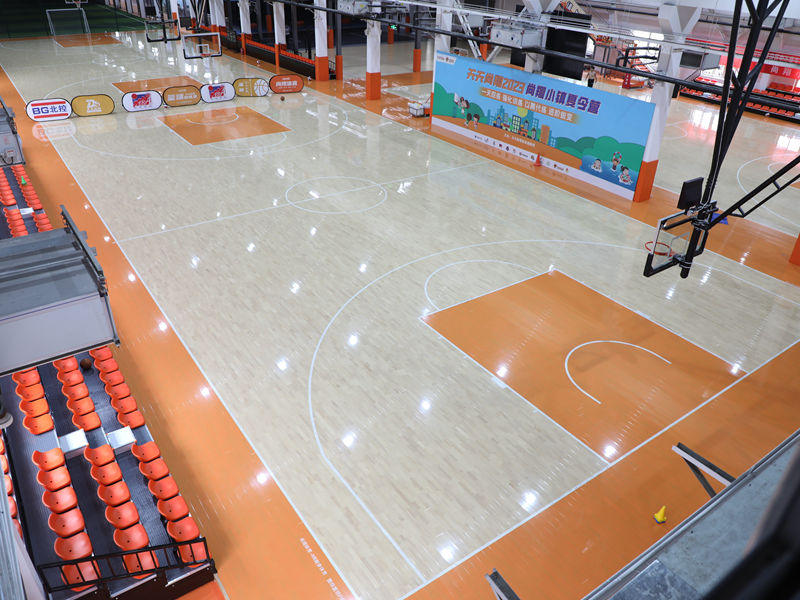
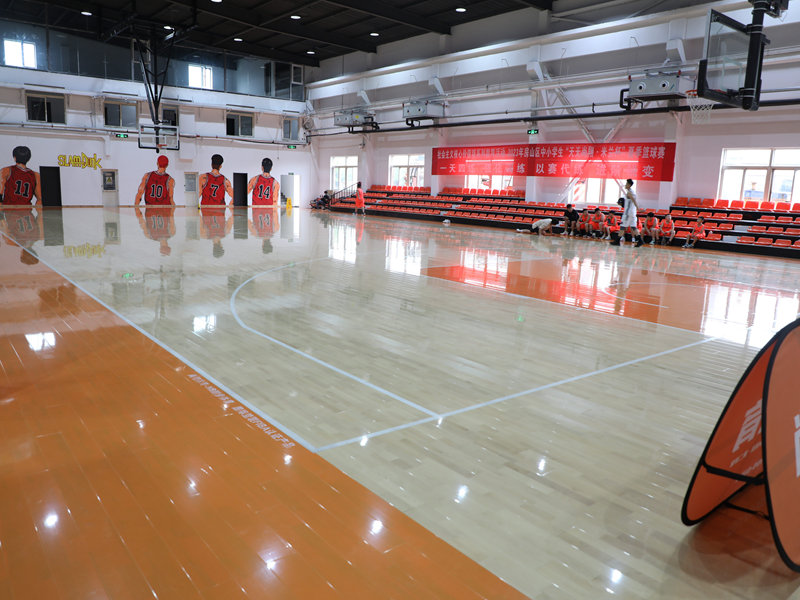
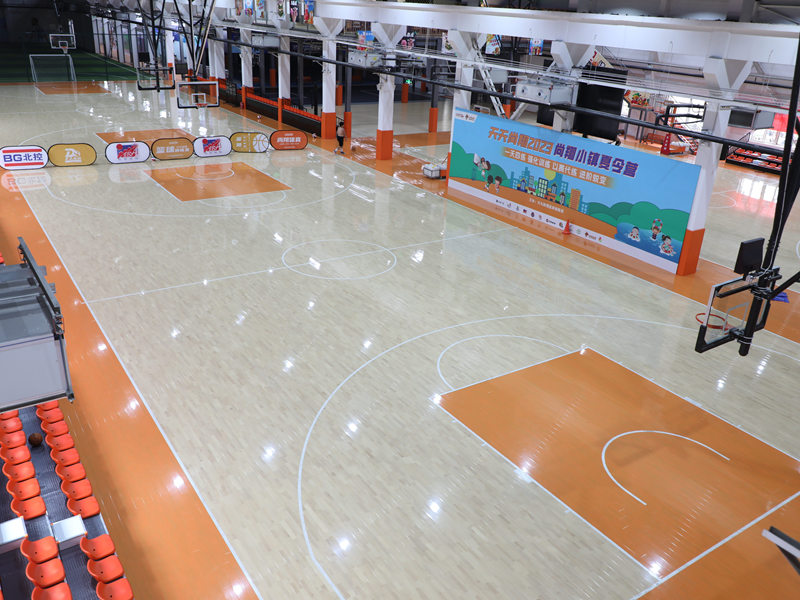
Tennis is a sport of elegance, precision, and explosive power, and the court surface plays a defining role in how the game is played. While outdoor tennis is typically played on clay, grass, or hard courts, indoor tennis has seen a surge in popularity, and indoor sports wooden flooring has emerged as the premium choice for indoor tennis facilities. This article explores why wood is becoming the go-to surface for indoor tennis.

The Rise of Indoor Tennis
Indoor tennis has grown dramatically in recent years, driven by year-round climate-controlled facilities, pickleball conversions, and the general trend toward multi-sport complexes. Unlike outdoor tennis, which is limited by weather, indoor tennis can be played 365 days a year. This has created a massive demand for high-quality indoor court surfaces, and wood has risen to the top of the list.
Why Wood for Indoor Tennis?
The primary advantage of indoor sports wooden flooring for tennis is consistency. Outdoor hard courts can vary in ball bounce depending on temperature, humidity, and wear. Indoor wood courts, maintained at a controlled climate, provide a perfectly consistent playing surface every single day. This consistency is invaluable for players who are training and competing at a high level.
The shock absorption of a wood floor with a proper underlayment is also superior to concrete or acrylic hard courts. Tennis involves a lot of running, lunging, and sudden stops, all of which put stress on the knees, ankles, and hips. A wood floor with a DIN rating of 35% to 50% absorbs a significant portion of this impact, reducing the risk of injury and allowing players to train harder and longer.
Ball Bounce and Speed
The ball bounce on a well-maintained indoor wood tennis court is consistent and predictable, similar to an outdoor hard court but with better shock absorption. The ITF (International Tennis Federation) specifies that the ball bounce should be between 135cm and 147cm when dropped from a height of 254cm. Indoor wood courts can meet this standard easily when properly installed and maintained.
The speed of the game on indoor wood is slightly slower than on outdoor hard courts due to the controlled environment (no wind, consistent temperature), but this is actually a benefit for recreational and training play. It allows for longer rallies and more enjoyable play for players of all skill levels.
Multi-Sport Versatility
One of the biggest advantages of indoor sports wooden flooring for tennis is versatility. Many indoor tennis facilities are converting their courts to pickleball during off-peak hours, and wood floors are perfect for this. The same floor that hosts tennis in the morning can host pickleball in the afternoon, with nothing more than a change of net height and court markings. This flexibility maximizes the revenue potential of the facility and makes wood a smart financial investment.
Maintenance for Tennis Courts
Tennis courts require regular maintenance to keep the ball bounce consistent and the finish in good condition. Daily sweeping, weekly damp mopping, and annual professional sanding are recommended. The service boxes and baseline areas experience the most wear and may need touch-up refinishing every 2 to 3 years.
Indoor sports wooden flooring brings the elegance and performance of outdoor tennis indoors, providing a surface that is consistent, safe, and versatile enough to serve multiple sports. For any facility looking to offer premium indoor tennis, wood is the undisputed champion.