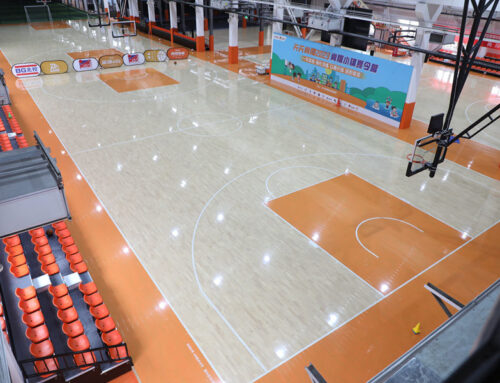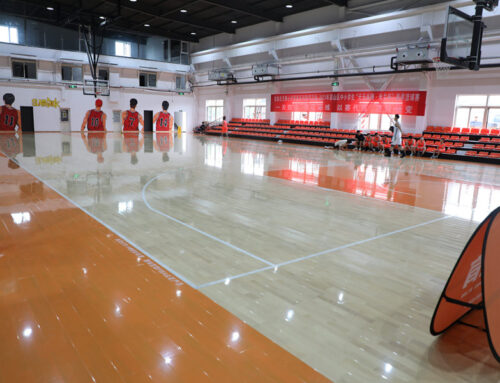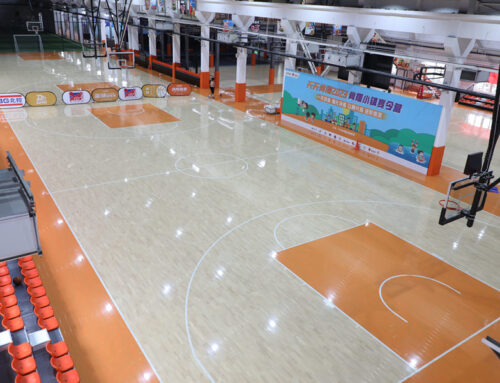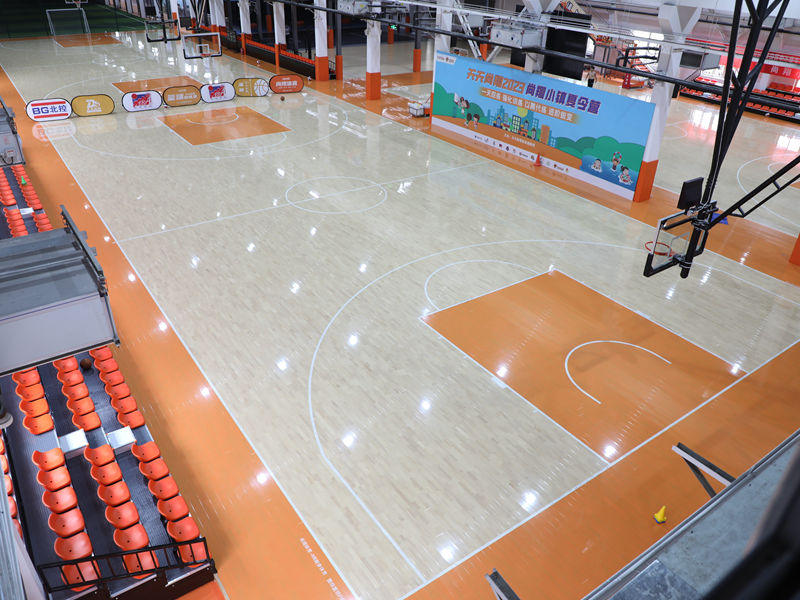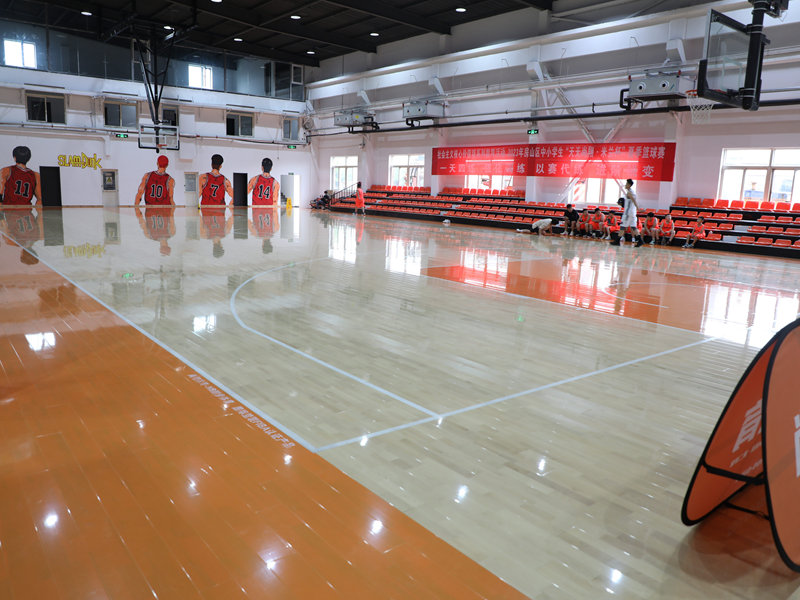
While traditional soccer is played on grass, indoor soccer — known as futsal — has exploded in popularity around the world. Futsal is a fast, technical, and physically demanding sport that requires a playing surface capable of handling rapid ball movement, quick player turns, and constant contact. Indoor sports wooden flooring is the ideal surface for futsal courts, and this article explains why more and more facilities are choosing wood over artificial turf for indoor soccer.
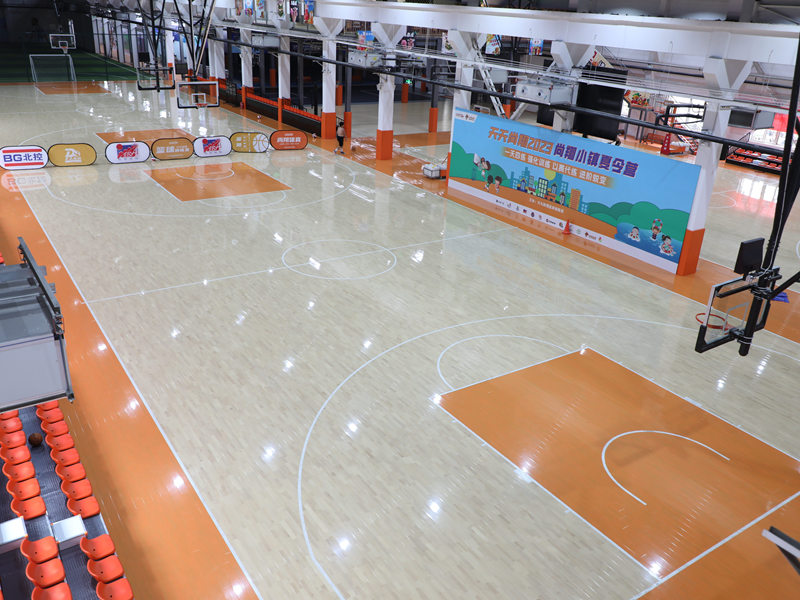
Futsal vs. Traditional Indoor Turf
For decades, indoor soccer was played on artificial turf or carpet. While these surfaces are cheaper upfront, they have significant drawbacks. Artificial turf can be abrasive, leading to turf burn and skin injuries. It also tends to be too fast, causing the ball to skip unpredictably and making it difficult for players to control the ball with their feet. Carpet is even worse — it is slow, absorbs too much energy, and provides no ball bounce at all.
Indoor sports wooden flooring solves all of these problems. The smooth, hard surface allows the ball to roll and bounce predictably, giving players the control they need for the intricate passing and dribbling that futsal demands. The shock absorption layer protects players’ joints from the constant running and quick stops that characterize the sport. And the finish provides enough grip for players to make sharp turns without slipping, while still allowing the ball to slide across the surface when needed.
FIFA and UEFA Standards
FIFA and UEFA have specific guidelines for futsal courts used in competition. The playing surface must be smooth, flat, and non-slip. Wood is explicitly recognized as an acceptable surface, and many professional futsal tournaments are now played on hardwood courts. The DIN rating should be between 35% and 50%, and the surface friction should be between 0.4 and 0.55. The court dimensions are 38 to 42 meters long by 20 to 25 meters wide, depending on the level of competition.
Why Wood Is Better for Player Development
One of the most compelling arguments for indoor sports wooden flooring in futsal is player development. Young players who train on wood develop better ball control, faster footwork, and a more technical style of play. The consistent ball behavior on wood allows players to build muscle memory and timing that will translate directly to outdoor grass pitches. Players who train exclusively on artificial turf often struggle with ball control when they move to grass, because the ball behaves so differently on the two surfaces.
Durability Considerations
Futsal puts a lot of stress on the floor due to the constant running and the small, hard ball. The wood planks should be at least 22mm thick, and the finish should be a matte polyurethane or UV-cured coating that resists scuffing. With proper maintenance, a futsal court can last 15 to 25 years before needing a full renovation.
Indoor sports wooden flooring is transforming the futsal experience, providing a surface that is faster, more technical, and more enjoyable than any synthetic alternative. For any facility looking to attract futsal players and host tournaments, wood is the way to go.