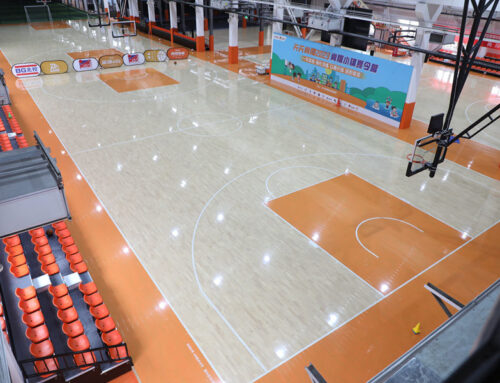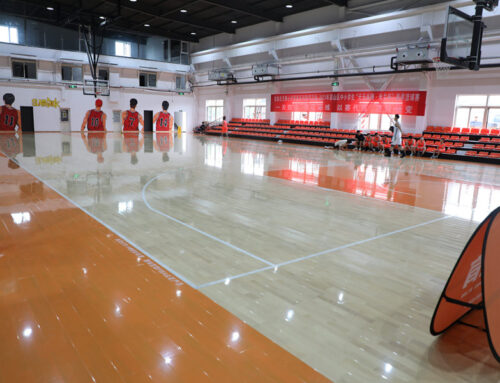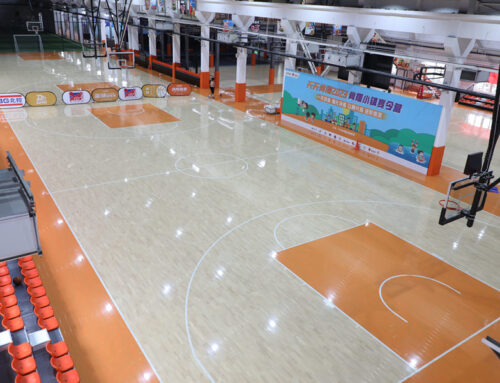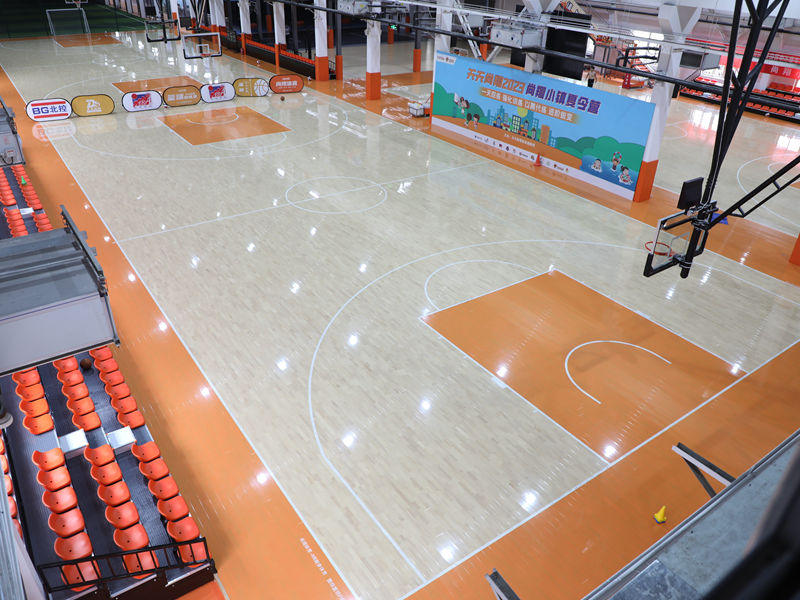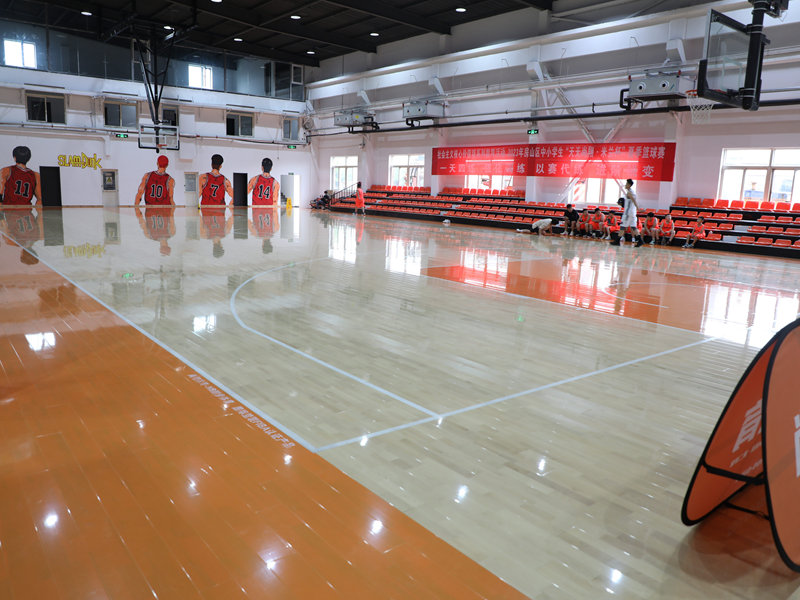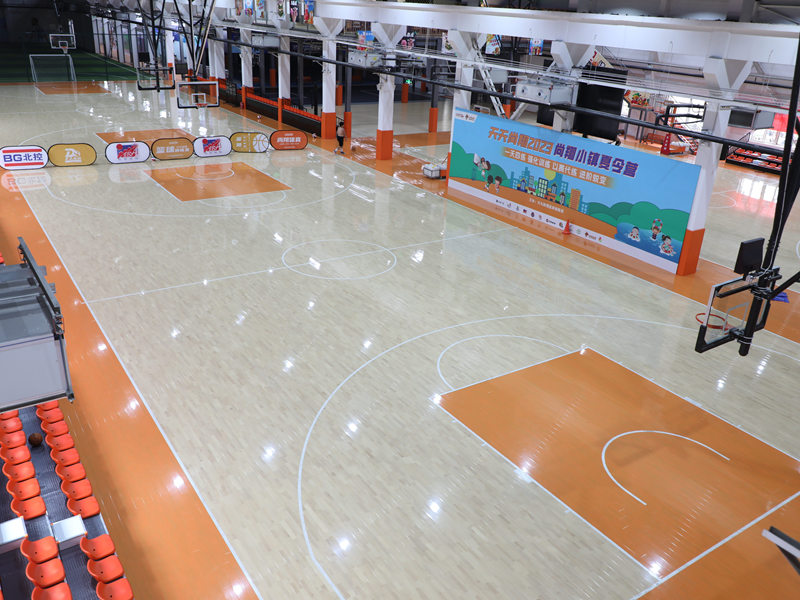
Performance consistency is the non-negotiable foundation of any high-quality indoor sports surface, as even minor variations in texture, color, or surface friction can alter an athlete’s movement patterns and increase the risk of injury. Traditional solid wood sports flooring, sourced from naturally harvested timber, inherently carries small but measurable inconsistencies: grain density varies from plank to plank, natural color gradients create uneven visual contrast across a court, and minor imperfections in the wood structure can create subtle differences in shock absorption.
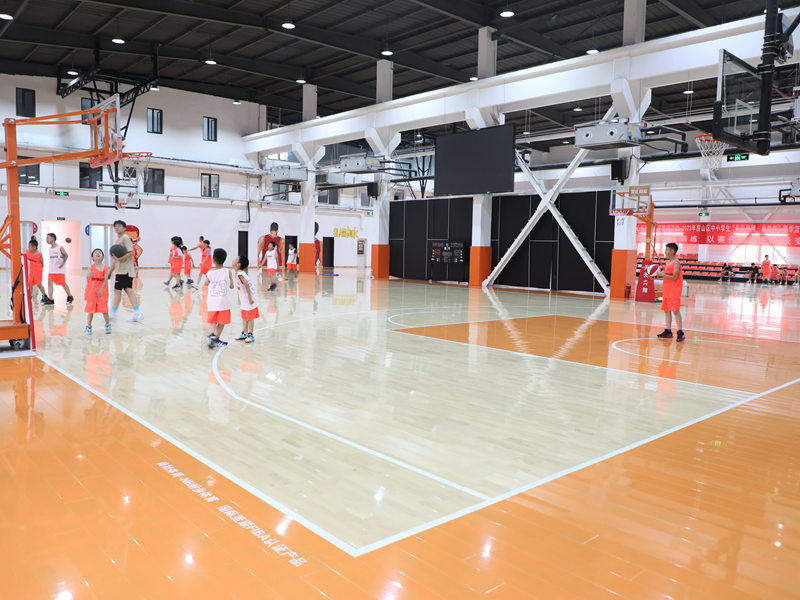
Modern printing technology addresses these inconsistencies by creating a uniform, precisely calibrated surface layer that overrides the natural variations of the underlying wood substrate, without erasing the natural shock-absorption properties that make wooden sports floors superior to synthetic alternatives. Digital printing systems use high-precision nozzle arrays to deposit ink particles with micron-level accuracy, ensuring that every square meter of the flooring surface has an identical distribution of color, texture, and visual markers. This level of consistency is particularly critical for competitive sports that rely on precise visual cues, such as basketball where players use the three-point line as a spatial reference point for their shooting motion, or volleyball where the boundary lines define the exact legal playing area for quick defensive movements. Unlike hand-applied paint or adhesive vinyl markings, printed elements embedded beneath the wear layer never create raised edges that can catch on the soles of athletic shoes, eliminating a common tripping hazard that plagues many older sports venues. The printing process can also be calibrated to add micro-level texture variations across the surface that enhance traction without creating excessive friction, a feature that has been shown in independent athletic tests to reduce the rate of ankle rolls and knee injuries during high-intensity play. By standardizing the visual and tactile properties of the flooring across an entire venue, printing technology creates a predictable playing environment where athletes can focus entirely on their performance, rather than adjusting their movements to compensate for unexpected variations in the floor surface.