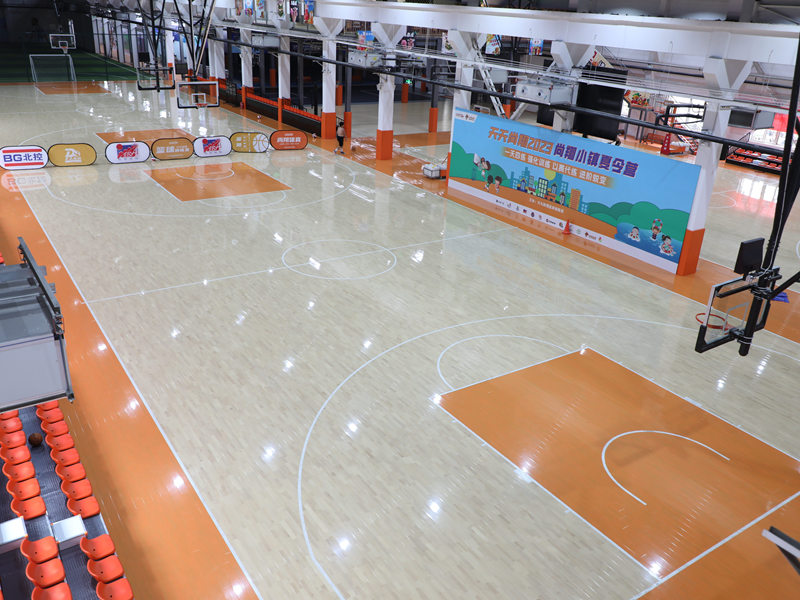
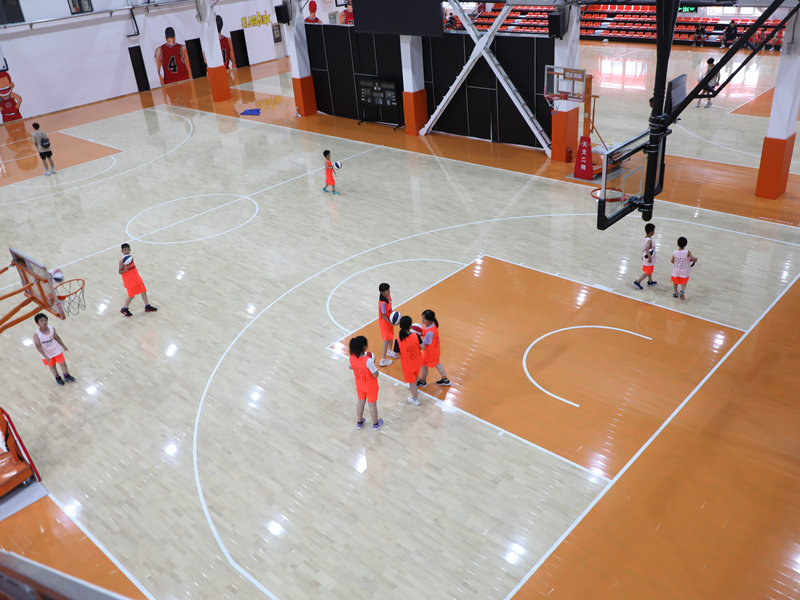
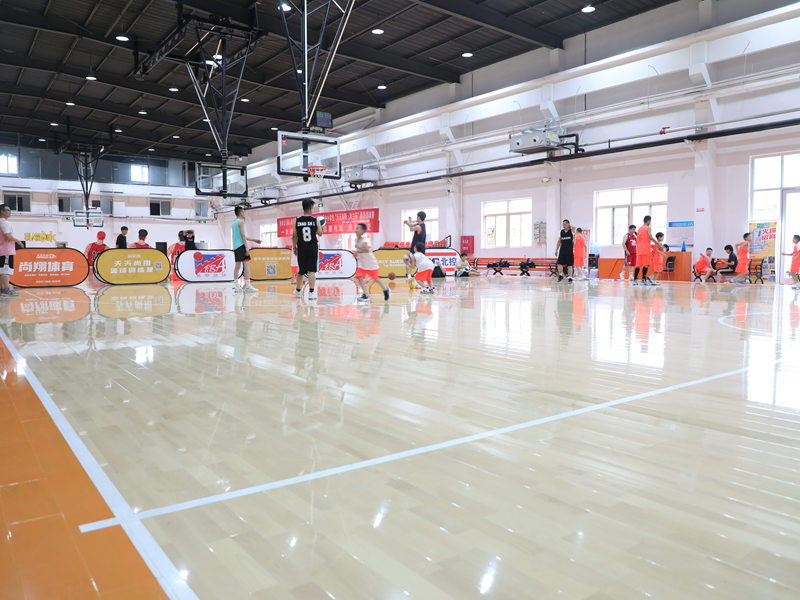
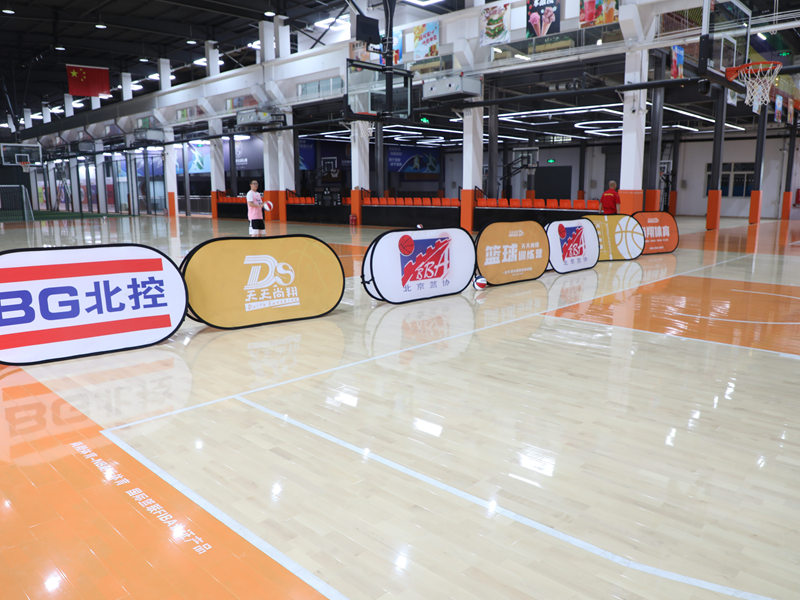
The choice of wood species is one of the most consequential decisions in the construction of an indoor basketball court wood floor, as it directly impacts every aspect of performance, from ball bounce consistency to long-term durability. For decades, the most widely accepted species for competitive basketball courts has been hard maple, a dense, tight-grained hardwood native to the northern temperate regions that offers an almost perfect balance of properties for athletic use. Hard maple has a Janka hardness rating of approximately 1450 pounds-force, which means it is hard enough to resist denting from the constant impact of basketball shoes, heavy equipment, and dropped weights, while still retaining enough natural elasticity to contribute to the floor’s shock absorption characteristics.

The unique cellular structure of hard maple makes it particularly well-suited for basketball court wood floors because its dense, uniform grain pattern eliminates the soft, porous areas found in many other hardwood species. This uniformity ensures that every plank across the entire court has nearly identical density, which translates directly to consistent ball bounce no matter where the ball makes contact with the surface. Unlike more porous woods that can absorb finish materials unevenly, hard maple accepts sealers and top coats in a perfectly consistent manner, creating a smooth, even surface that maintains its ideal friction characteristics for years after installation. The light, pale natural color of hard maple also offers excellent contrast for painted court lines, making boundaries, three-point arcs, and free throw lanes clearly visible to players, referees, and spectators from every angle in the arena.
While hard maple remains the gold standard for elite competitive play, other hardwood species can be excellent choices for different types of facilities, depending on usage patterns, budget constraints, and local availability. Beech, for example, has a Janka hardness rating of around 1300 pounds-force, making it slightly less dense than hard maple but still more than durable enough for most community centers, school gyms, and recreational facilities. Beech has a slightly warmer, more golden natural tone that creates a different aesthetic feel for the court, and its natural elasticity actually provides a slightly softer landing feel that many recreational players find more comfortable during long pickup game sessions. Ash is another viable option, with a Janka rating of 1320 pounds-force, known for its distinctive grain pattern that adds visual character to the court while still delivering the consistent performance required for organized basketball play.
When selecting wood for a basketball court wood floor, the grading of the lumber is just as important as the species itself. The highest grade of hardwood for athletic use features almost no variation in color, no knots, and perfectly consistent grain orientation across every plank, creating a seamless, uniform surface that is ideal for professional and elite collegiate competition. Premium grades allow for subtle natural color variations and small, tightly controlled knots that add visual warmth and character without compromising performance, making them perfect for mid-level competitive facilities that want a unique look without sacrificing playability. The most rustic grades, which feature more prominent natural variations and larger knots, are often used in recreational facilities, community centers, and gyms that prioritize a warm, inviting atmosphere for casual play, youth programs, and multi-use activities.
Properly sourced and graded hardwood for basketball court wood floors can deliver a service life of 30 years or more when maintained correctly, making the initial investment in high-quality wood species one of the most cost-effective choices a facility operator can make. The key to long-term performance is selecting wood that has been properly kiln-dried to a moisture content between 6% and 9%, matched to the typical humidity levels of the facility’s geographic location. This careful moisture conditioning prevents warping, cupping, or gapping between planks as the seasons change, ensuring that the floor remains flat, stable, and consistent for decades of play. By understanding the unique properties of different wood species and selecting the right grade for their specific usage needs, facility managers can create a basketball court wood floor that delivers the perfect combination of performance, durability, and visual appeal for their unique space.