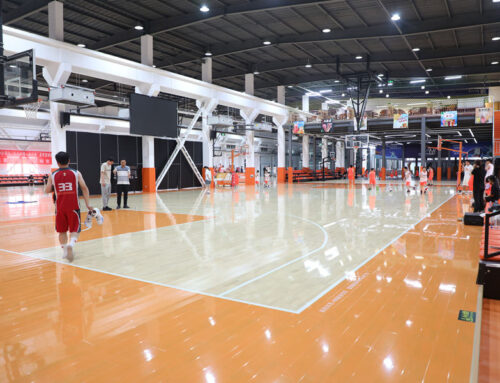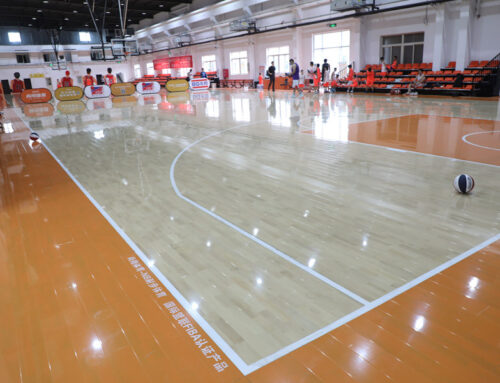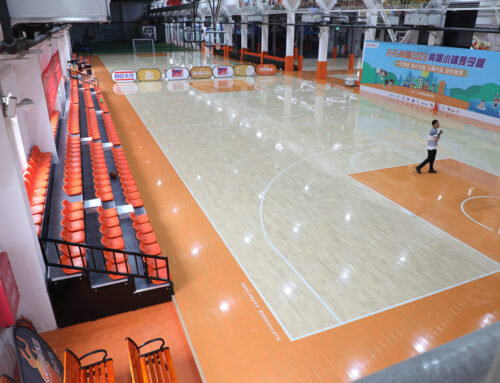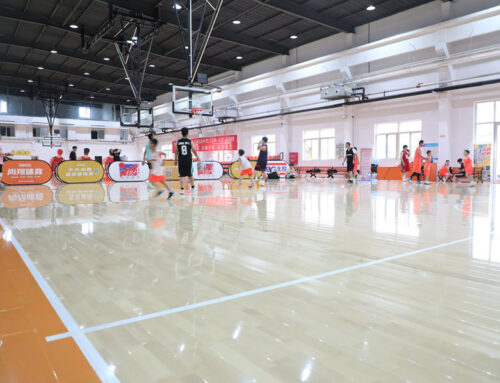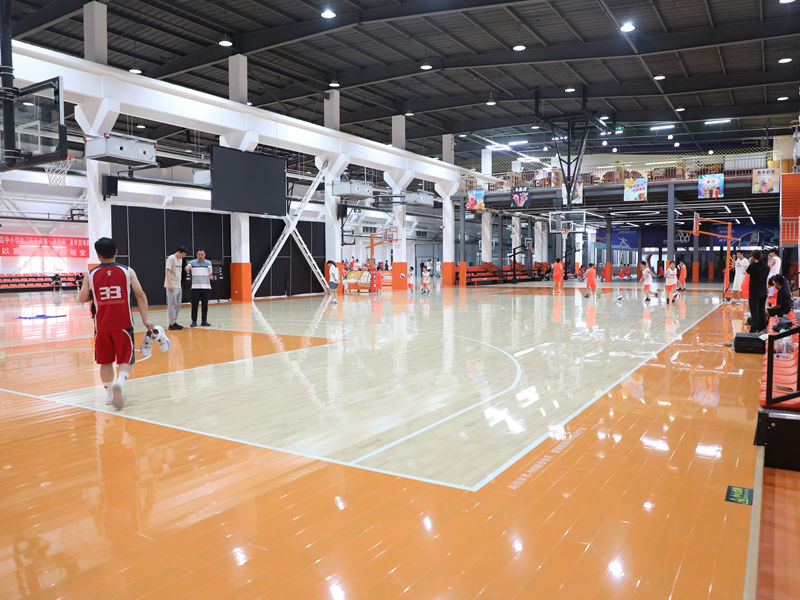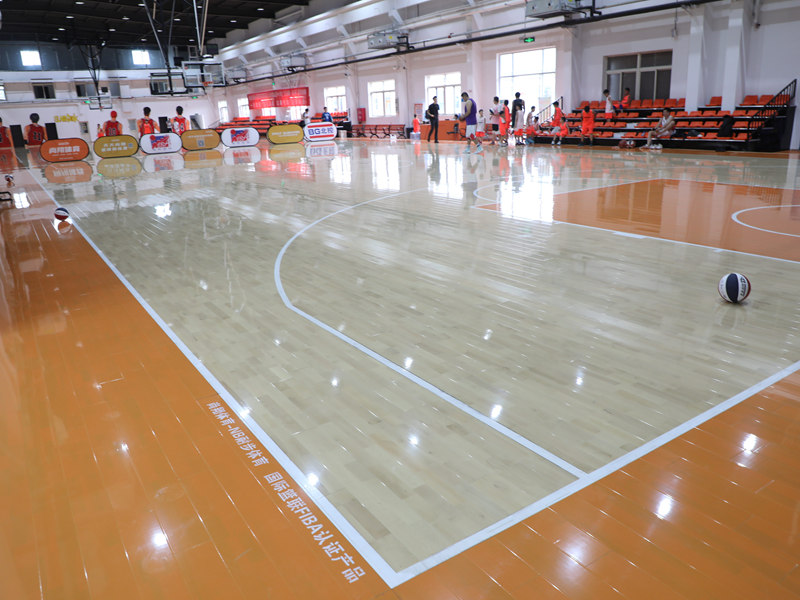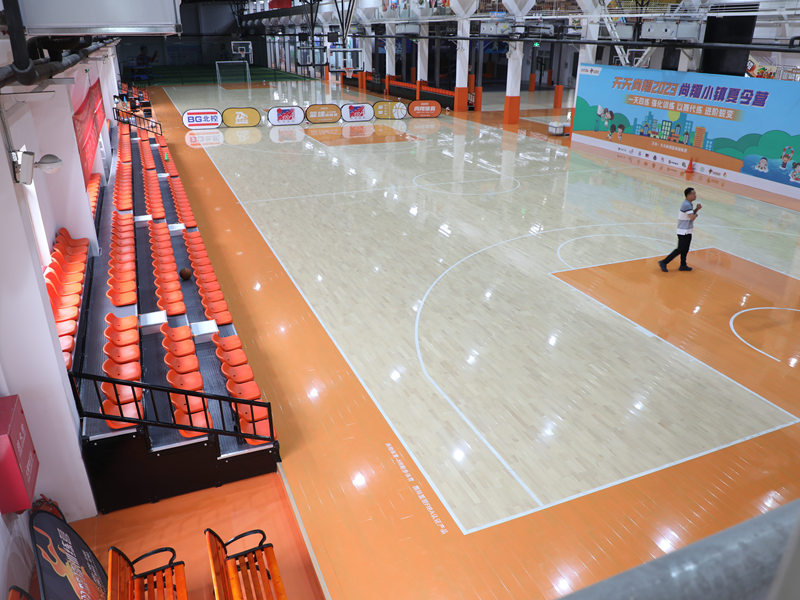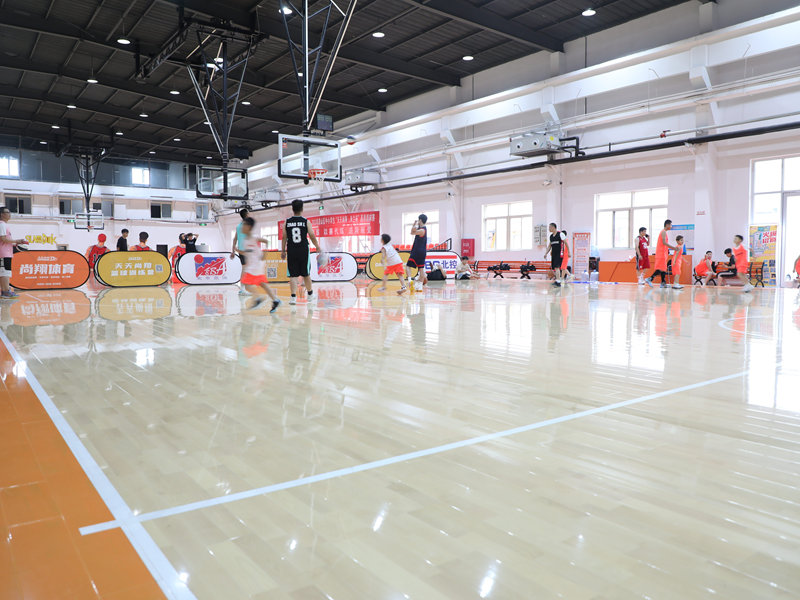
Every basketball team knows that the famous “home court advantage” is about far more than just having your fans in the stands—it is about being completely familiar with every small detail of your court, and indoor basketball court wooden flooring is the core of that familiarity. Over months and years of practicing on the exact same floor every single day, players develop an almost unconscious knowledge of every small quirk of the surface. They know exactly how much traction they will get when they make a cut to the basket, exactly how the ball will bounce when it hits a specific spot near the sideline, exactly how much give the floor has when they land after a jump shot. This deep, muscle-memory familiarity lets them play with complete confidence, without ever having to think about the surface under their feet. When an opposing team walks into that same court for the first time, they do not have that same level of familiarity, and it takes them time to adjust their movements to match the unique feel of the floor.
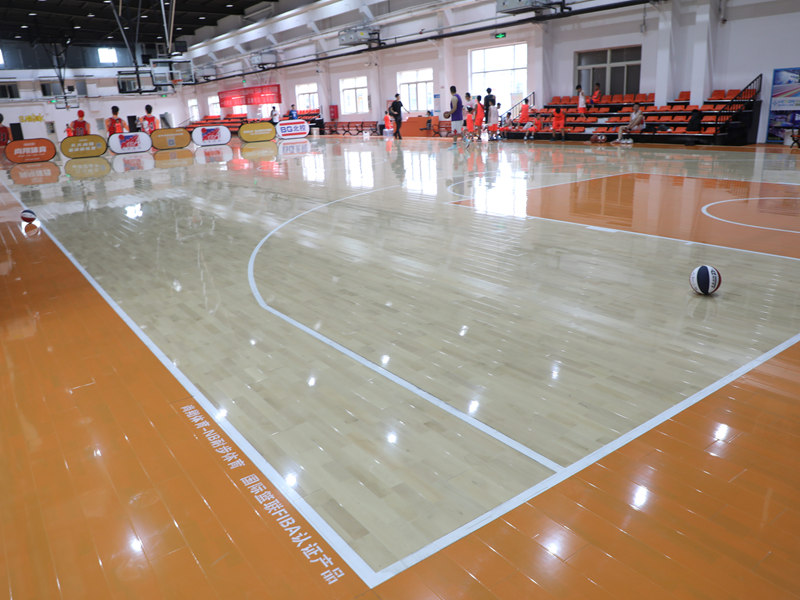
This advantage is not unfair—it is earned, through hundreds of hours of practice that the home team has put in on their own surface. The natural properties of wood make this unique, familiar feel possible, because every wooden floor develops its own subtle personality as it ages, a personality that can never be exactly replicated anywhere else. No two wooden courts feel exactly the same, because every single one has a unique history of use, a unique pattern of wear, and a unique response to movement that belongs only to that space. This is why so many teams fight so hard to protect their home floor, refusing to replace it even when it starts to show its age, because they know that the familiar feel of their court is one of their most valuable assets.
Even small details that players do not consciously notice add up to create that home court feeling. The exact sound of the sneakers squeaking on their familiar wood, the exact way the light reflects off the polished finish, the exact slight give under their feet when they push off for a sprint—all of these small sensory cues help players relax and get into their rhythm faster than they ever could on a strange, unfamiliar court. For many legendary teams, their old home wooden court is not just a playing surface—it is a secret weapon that has helped them win hundreds of close games that they might have lost on a neutral floor.