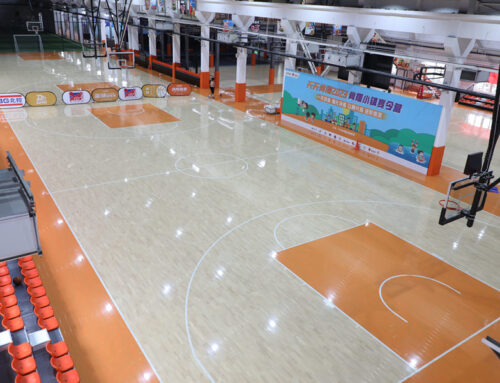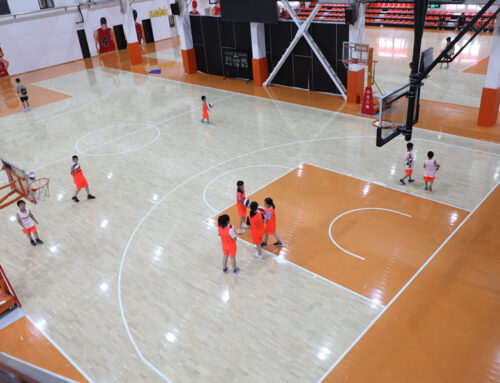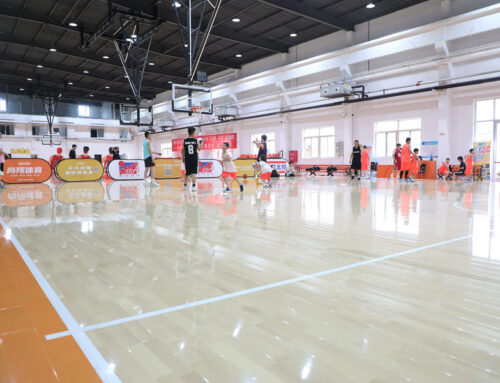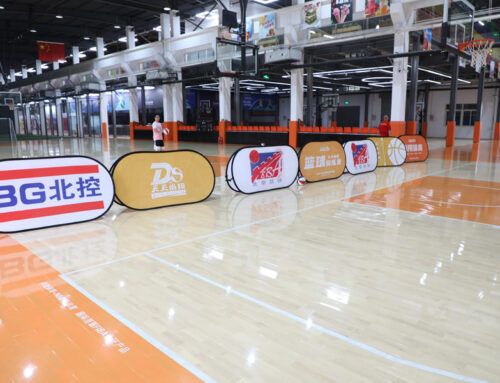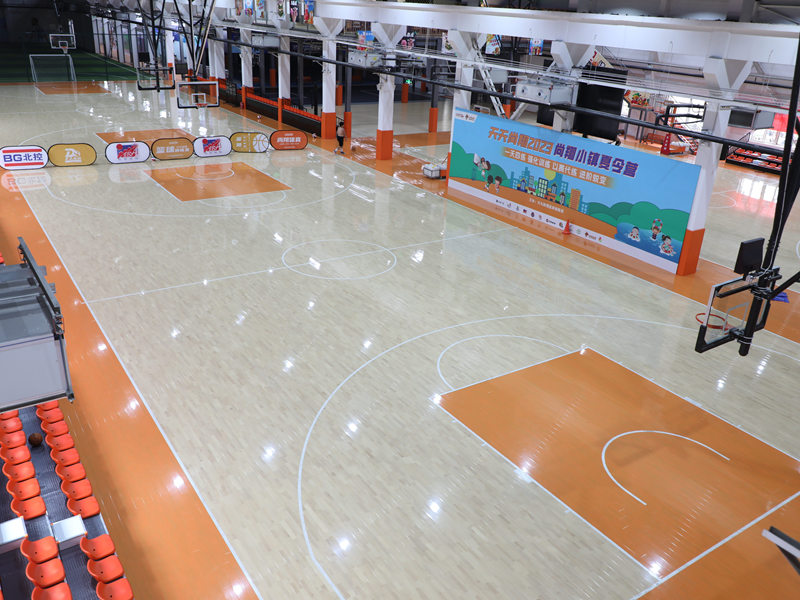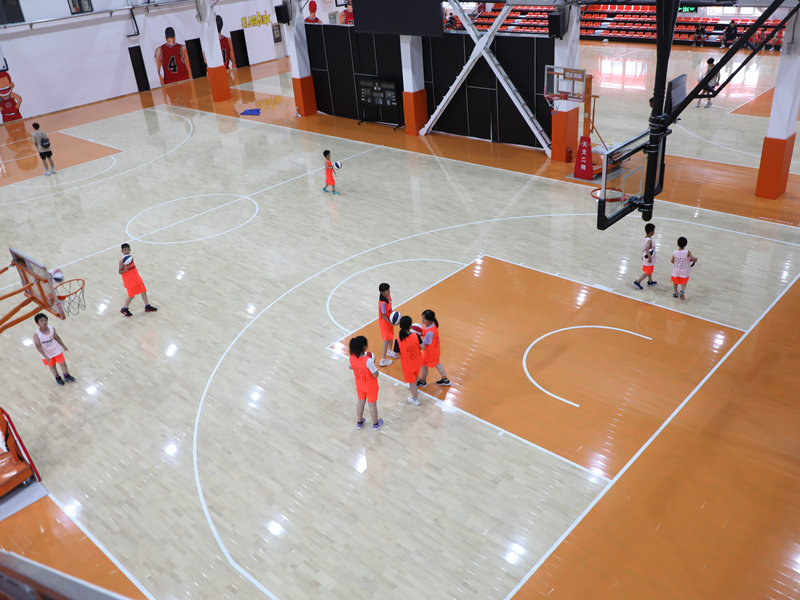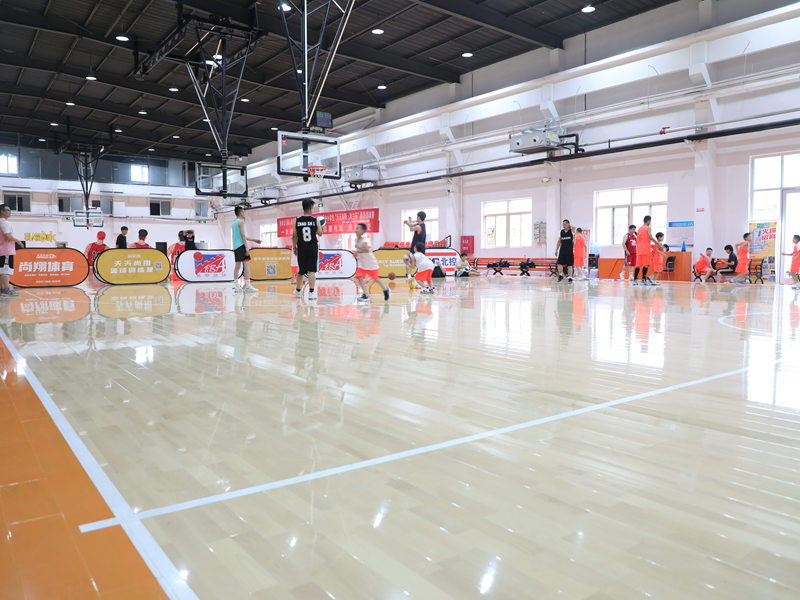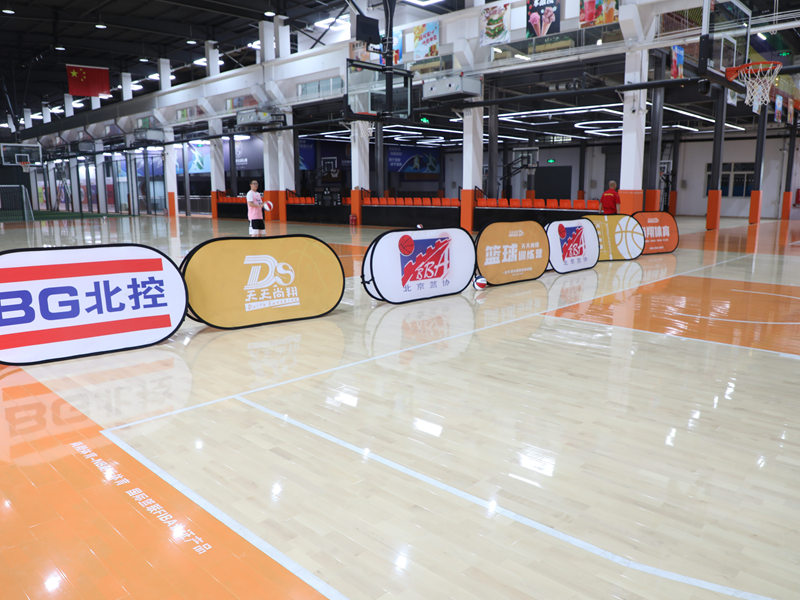
Indoor basketball court wood floors stand as one of the most carefully engineered surfaces in all competitive sports, designed to balance the conflicting demands of player safety, consistent gameplay, and long-term durability. Unlike generic hardwood flooring used in residential or commercial spaces, every layer of a basketball court wood floor is constructed with specific performance metrics in mind, starting from the subfloor structure all the way to the top finish coat. The fundamental purpose of these specialized floors is to create a surface that absorbs the massive impact of repeated jumps, quick direction changes, and hard landings, while still maintaining enough firmness to deliver the predictable ball bounce that players rely on during intense competition.
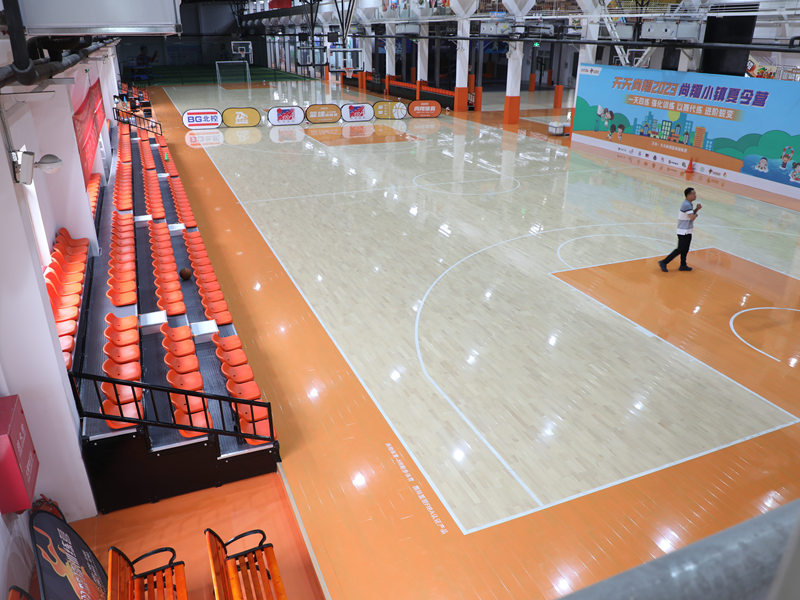
At the heart of every high-quality indoor basketball court wood floor is the shock absorption system, a layered substructure that sits between the concrete base of the building and the visible top wood layer. This system typically includes resilient pads, adjustable sleepers, and air gaps that allow the floor to flex slightly under pressure, reducing the force transferred directly to players’ knees, ankles, and lower backs. Industry-wide performance standards require that a proper basketball court wood floor provides between 53% and 70% shock absorption compared to a rigid concrete surface, a specification that directly reduces the risk of overuse injuries that are common in high-impact sports. Without this carefully designed flexibility, players would face dramatically higher rates of stress fractures, tendonitis, and joint damage over the course of a long season of practices and games.
Equally critical to the function of a basketball court wood floor is its vertical deformation characteristic, which refers to how much the surface depresses under a standard applied load. This measurement must be precisely calibrated: too much deformation and players will feel like they are running on a soft carpet, losing energy with every step and making quick cuts nearly impossible; too little deformation and the floor becomes as unforgiving as bare concrete. The ideal range for vertical deformation in competitive play settings falls between 2.5 millimeters and 5 millimeters, a sweet spot that gives players a responsive surface that returns energy to their movements while still cushioning their joints. This balance is achieved through careful selection of wood thickness, subfloor spacing, and the properties of the resilient pads installed beneath the sleepers.
Ball bounce consistency is another non-negotiable performance requirement for any indoor basketball court wood floor. A standard basketball dropped from a height of 1.8 meters should rebound to a height between 900 millimeters and 1.1 meters across every single point on the court, with no more than a 10% variation between different areas of the surface. This level of consistency cannot be achieved with generic wood flooring, as it requires uniform wood density, precise milling of every plank, and a perfectly level substructure that eliminates low or high spots that could alter the bounce. When a basketball court wood floor meets these standards, players can trust that their dribble will behave exactly the same way at the baseline as it does at the three-point line, allowing them to focus on their game rather than adjusting to unpredictable surface variations.
Friction control is the final core principle that defines a well-designed basketball court wood floor. The surface must provide just enough grip to allow players to make sharp, explosive cuts without slipping, but not so much traction that their shoes stick to the floor and cause ankle rolls when they try to change direction quickly. This optimal level of friction is achieved through a combination of the wood’s natural grain structure and the properties of the top finish coat, which is applied in multiple thin layers rather than one thick coat to maintain the right balance of smoothness and texture. When all these performance principles are properly implemented, an indoor basketball court wood floor becomes more than just a playing surface – it becomes an active partner in the game, supporting players’ movements, protecting their bodies, and creating the consistent conditions needed for peak athletic performance.