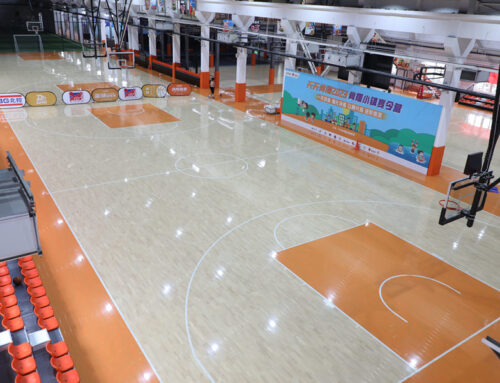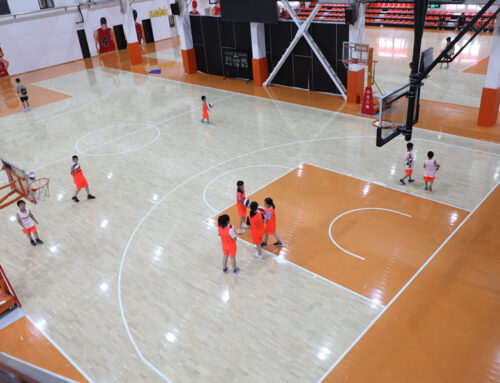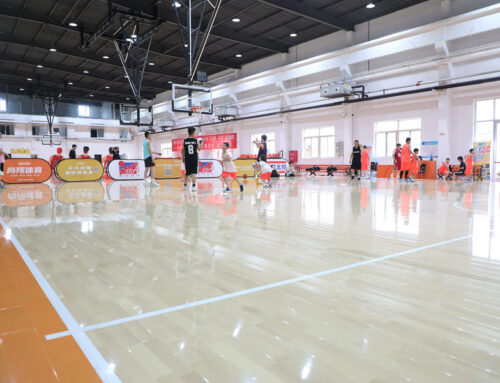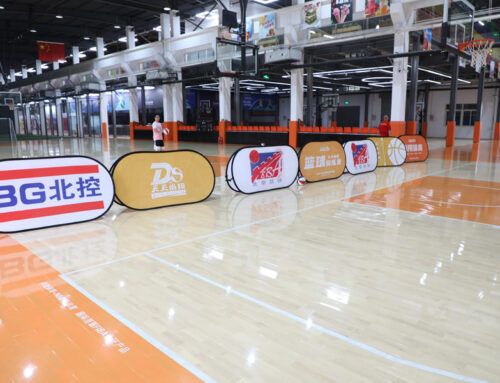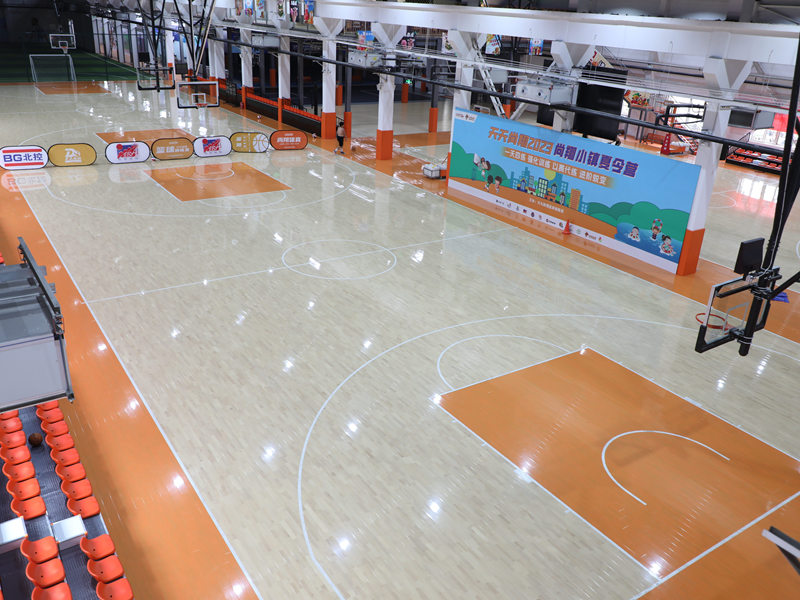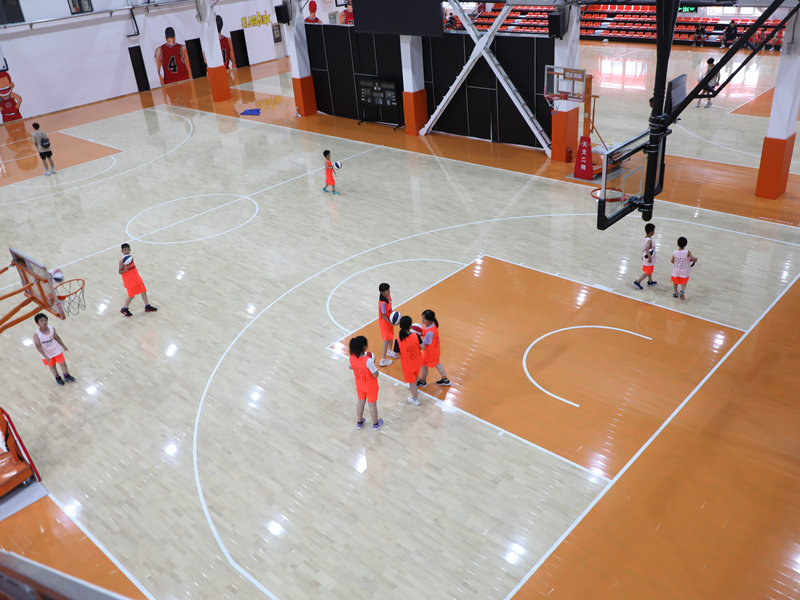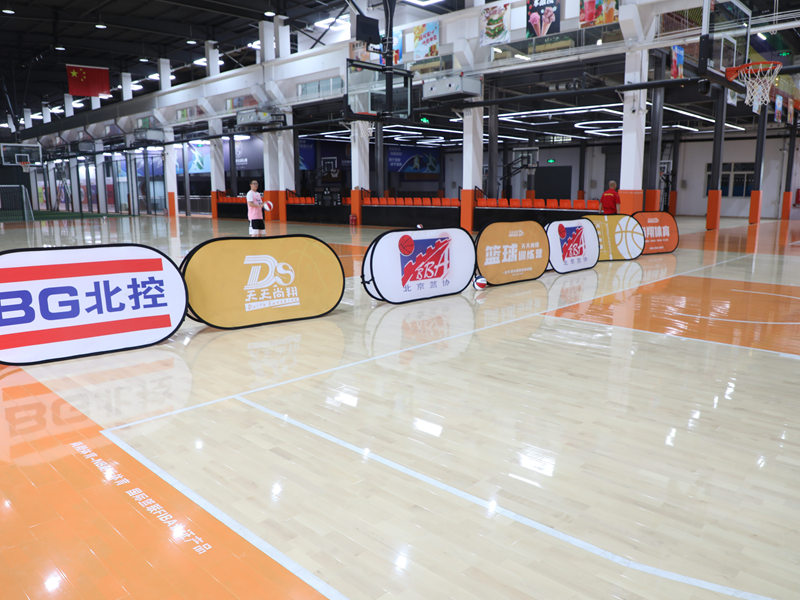
The sheen level of the finish is a critical specification. A high-gloss finish creates excessive glare, which can impair player vision, especially under bright gymnasium lighting. A flat finish, on the other hand, can feel rough and increase the risk of abrasions. The industry standard is a matte to semi-gloss sheen, typically measured at ten to thirty gloss units. This range provides enough reflection to make the gym feel bright and clean while minimizing glare.
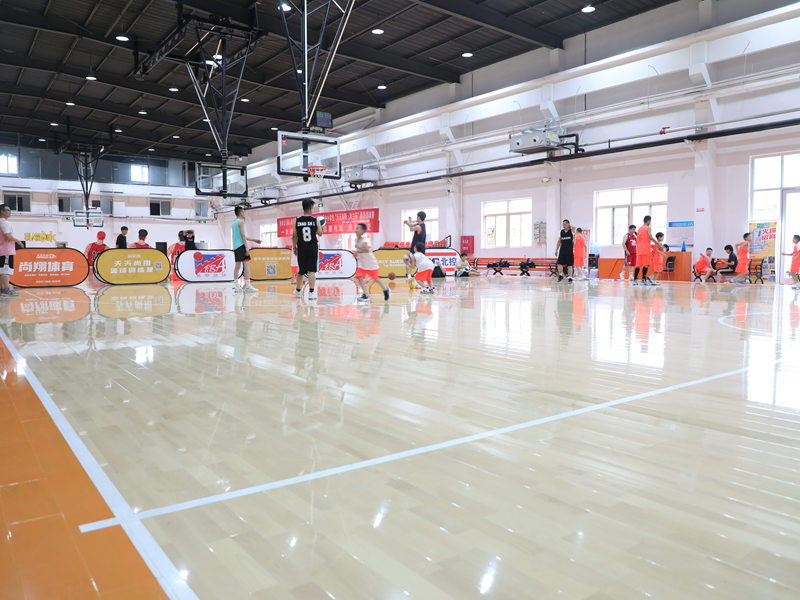
Sport-specific finishes are formulations designed specifically for athletic floors. They contain additives that improve traction, reduce scuffing, and resist the buildup of shoe marks. These finishes are more expensive than standard polyurethane but offer superior performance.
Oil-based finishes were once common but have largely been replaced by water-based systems. Oil finishes take longer to dry, emit stronger fumes, and yellow over time. Water-based finishes are faster, safer, and more color-stable.
The application process is meticulous. Each coat must be applied evenly, with no drips, runs, or missed spots. The floor must be clean and dust-free before each coat is applied. Between coats, the floor is inspected and any imperfections are addressed.
Recoating is a lighter version of the full finish process. Instead court to like-new condition. It is one of the most transformative maintenance procedures you can perform, and understanding the process helps you plan for it.
The first step is inspection. A professional will evaluate the condition of the floor, measuring the thickness of the remaining wood, checking for cupping, crowning, and gapping, and assessing the overall structural integrity. If the wood is too thin or the damage is too severe, refinishing may not be possible, and replacement will be necessary.
The refinishing process begins with sanding. A large drum sander removes the old finish and a thin layer of wood from the entire surface. This is followed by an edger, which sands along the perimeter where the drum sander cannot reach. Progressive grits are used, starting with a coarse grit to remove the old finish and ending with a fine grit to create a smooth surface.
After sanding, the floor is vacuumed thoroughly to remove all dust. Any gaps between planks are filled with a flexible wood filler that moves with the wood. Nail holes are also filled.
The finish is then applied in multiple coats, typically three to five. Each coat is applied with a roller or applicator pad and allowed to dry completely before the next coat is applied. Light sanding between coats ensures a smooth, even finish.
The final step is line painting. New court lines are painted over the fresh finish, completing the transformation.
The entire process takes five to ten days for a full-size court, during which the facility is unusable. Planning around game schedules and tournaments is essential.
Refinishing should be done when the floor shows significant last fifteen to twenty years. Synthetic tiles last ten to fifteen years. Over a thirty-year period, the total cost of hardwood, including refinishing, is often lower than the cumulative cost of replacing rubber or tiles multiple times.
Aesthetics also favor hardwood. Nothing matches the look and feel of a polished hardwood court. For facilities that host tournaments, showcase games, or serve as community gathering spaces, the visual appeal of hardwood is a significant advantage.
If performance and longevity are your top priorities, hardwood is the clear winner. If low maintenance and low upfront cost are more important, rubber or tiles may be worth considering.