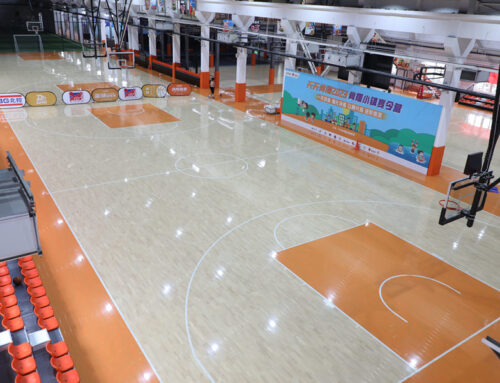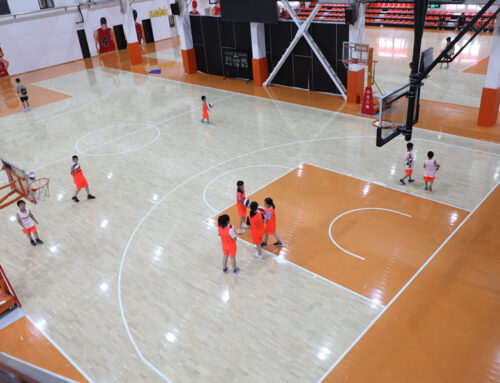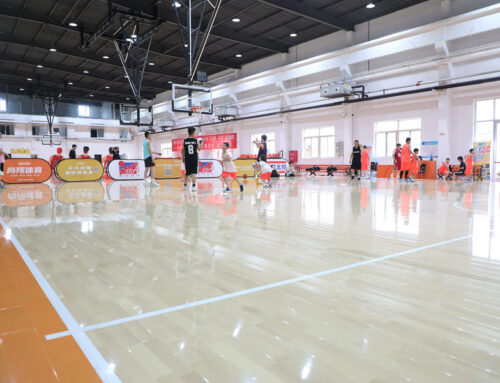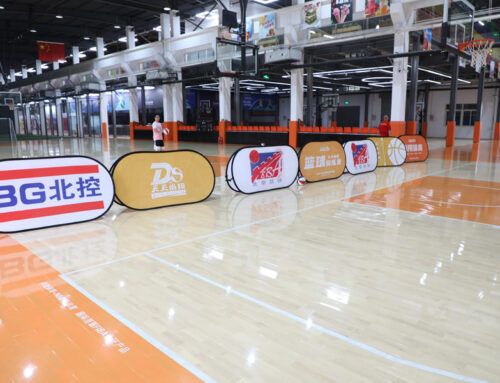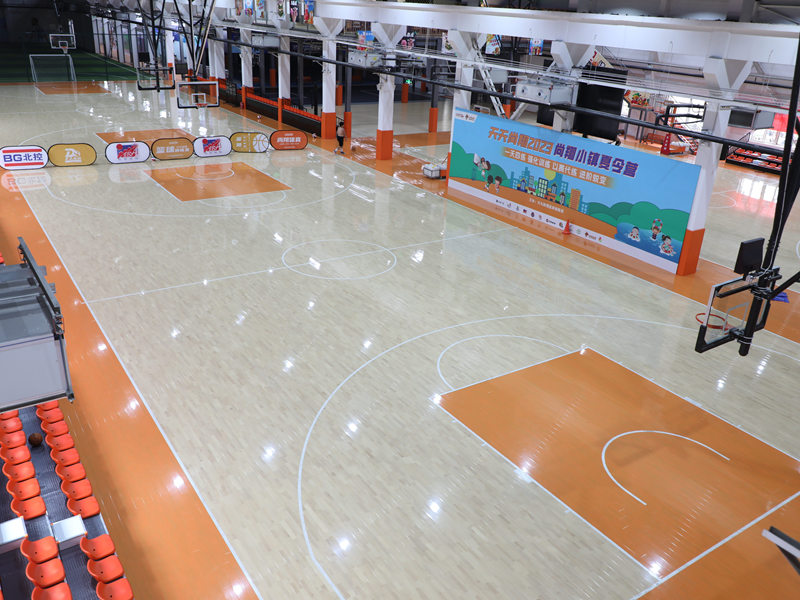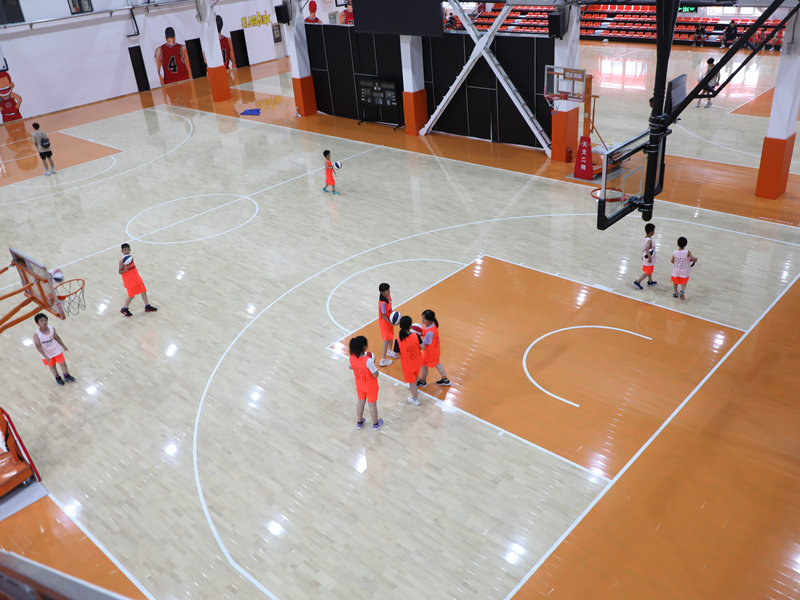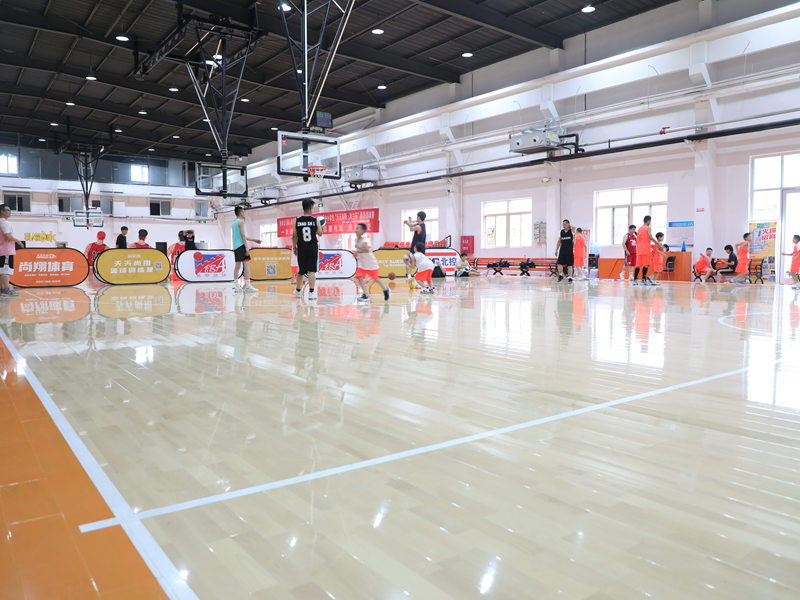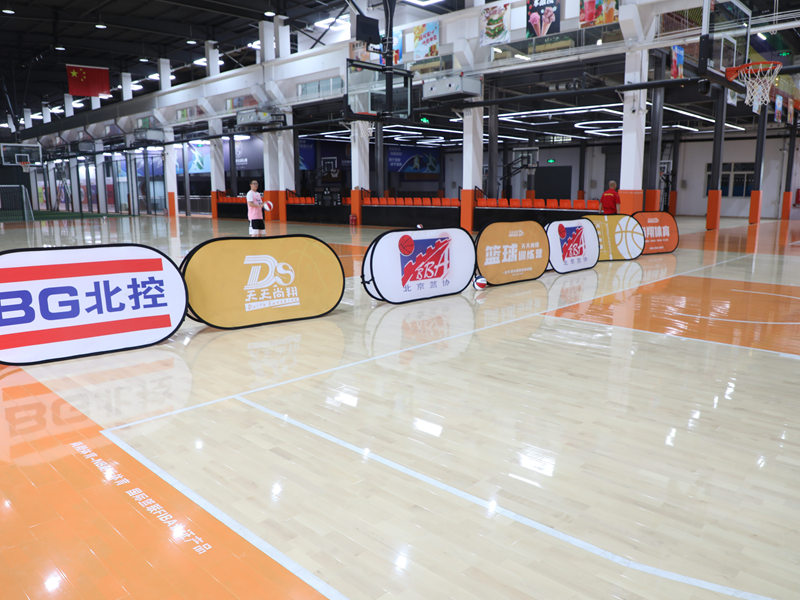
Sound is an often-overlooked aspect of indoor sports facility design. The acoustic properties of your flooring affect everything from player communication to spectator experience.
Hardwood is naturally reflective. Sound bounces off the hard surface, creating a lively, energetic atmosphere. This is one reason why hardwood courts feel so dynamic. The squeak of shoes, the thud of the ball, and the echo of voices all contribute to an immersive experience.
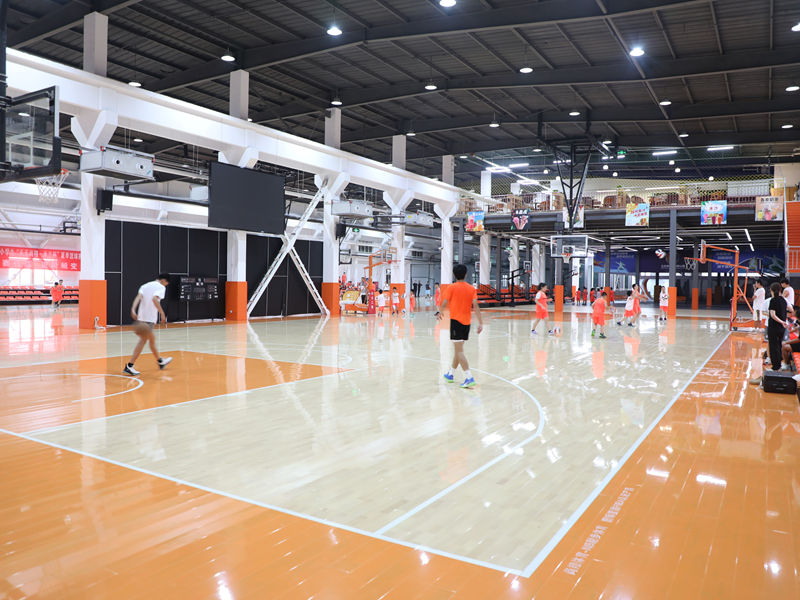
However, excessive reflection can be a problem. In large gymnasiums with high ceilings, sound can reverberate for seconds, creating a cacophony that makes it difficult for players to hear each other. Coaches rely on vocal communication, and excessive noise can disrupt strategy and coordination.
The subfloor system plays a major role in acoustic performance. A floating floor system with a foam or rubber underlayment absorbs sound, reducing reverberation by up to fifty percent compared facility owner must justify the cost of a new floor. Hardwood represents a significant upfront investment, but the return on investment, when measured correctly, is compelling.
The most direct measure of ROI is lifespan. A hardwood court lasts thirty to forty years with proper maintenance. Over that period, the annualized cost of the floor, including installation, maintenance, and refinishing, is typically two to four dollars per square foot per year. This is comparable to or lower than the annualized cost of rubber or synthetic surfaces, which must be replaced every ten to fifteen years.
Player performance is a less tangible but equally important ROI factor. Studies and anecdotal evidence consistently show that players perform better on hardwood. Better traction, more consistent ball response, and superior energy return all contribute to a higher level of play. For competitive programs, this translates into more wins, higher rankings, and greater visibility. For recreational facilities, it translates into higher membership retention and more court bookings.
Aesthetics drive revenue. A beautiful hardwood court attracts more users. Facilities with hardwood floors consistently report higher utilization rates than those with rubber or synthetic surfaces. The visual appeal of hardwood also increases property value, making it a sound investment for facility owners who may sell or lease in the future.
Maintenance costs are predictable and manageable. Unlike synthetic surfaces, which can degrade unpredictably, hardwood maintenance follows a clear schedule. Daily sweeping, weekly cleaning, periodic recoating, and occasional refinishing are all planned expenses that can be budgeted with confidence.
The intangible benefits are perhaps the most significant. A hardwood court creates a sense of pride and tradition. It connects the facility to the history of the sport. For players, stepping onto a hardwood court feels different. It is an experience that rubber and tiles cannot replicate.
When you factor in lifespan, performance, aesthetics, and intangible value, the ROI of indoor basketball court hardwood flooring is not just positive. It is exceptional.