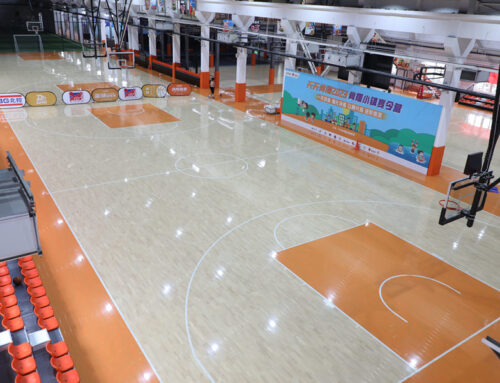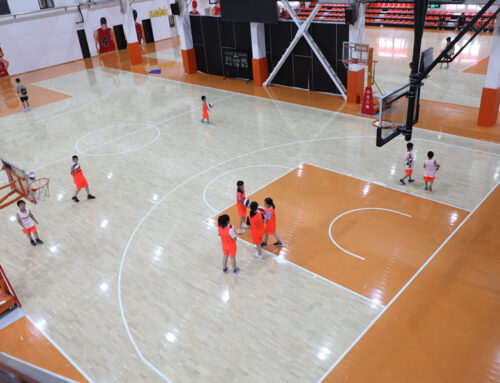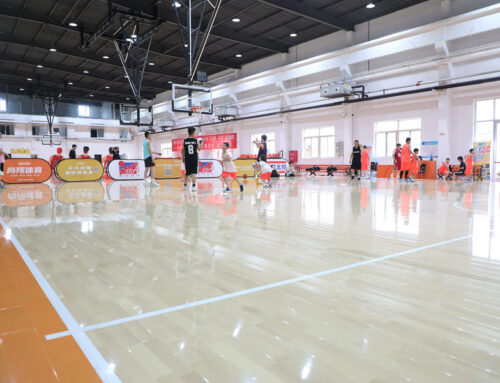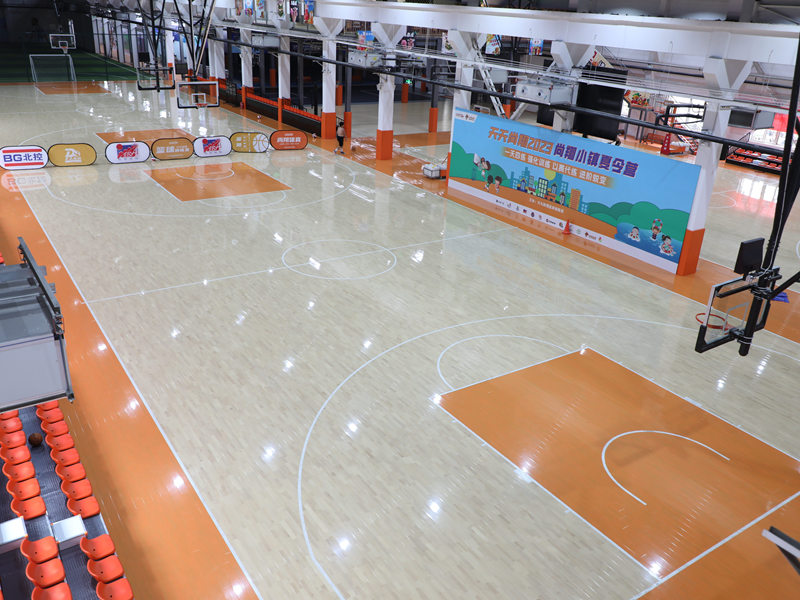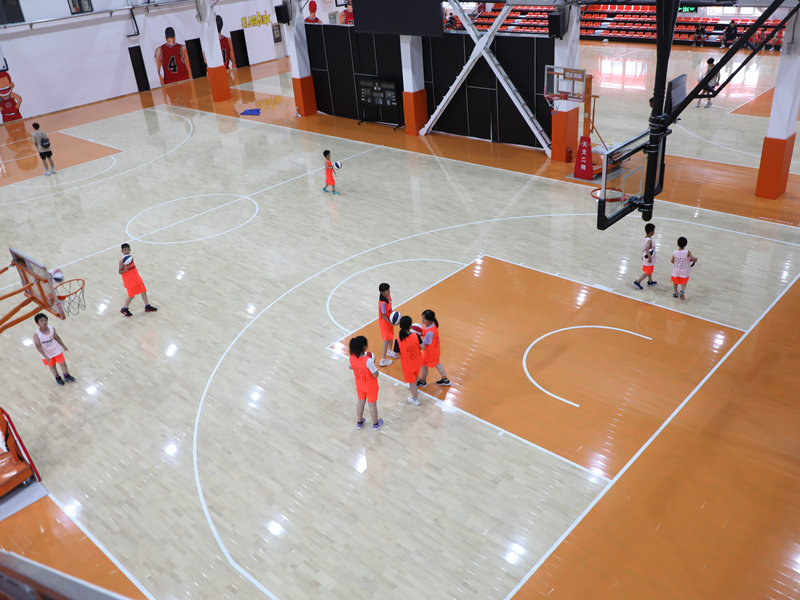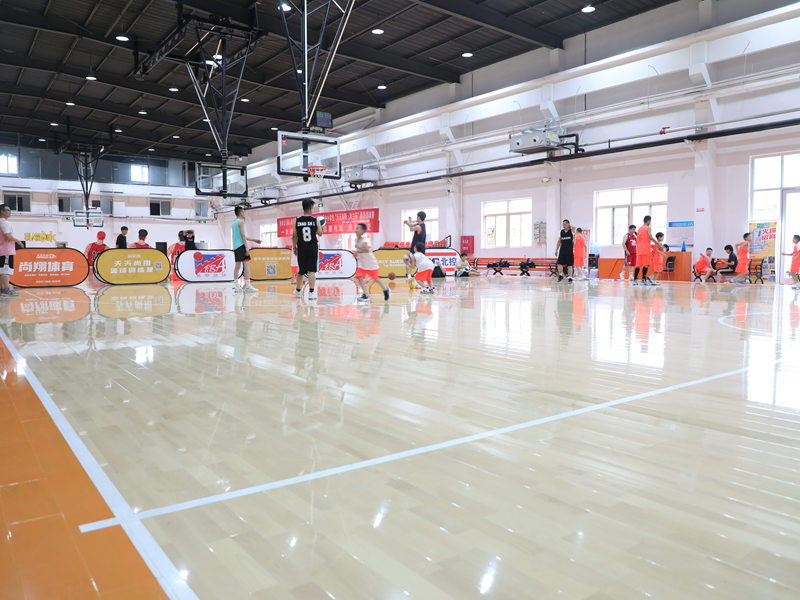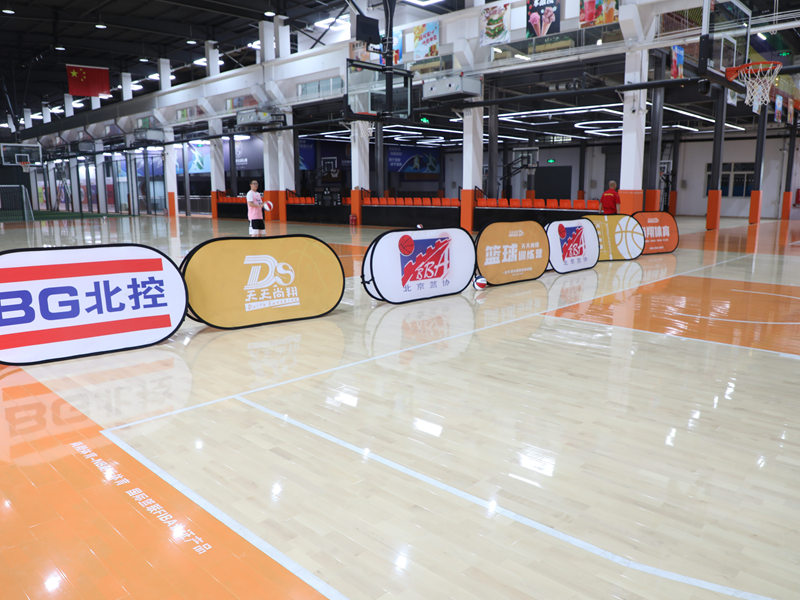
How Naibu Hardwood Flooring Performs in Different Climate Conditions One of the biggest concerns that many facility managers have about hardwood sports flooring is how it will hold up in regions with extreme humidity changes, hot summers, or cold dry winters. Naibu has solved this problem through decades of material science innovation and precision manufacturing, making its indoor basketball court wood flooring remarkably stable and resistant to the seasonal expansion and contraction that plagues lower-quality hardwood floors.
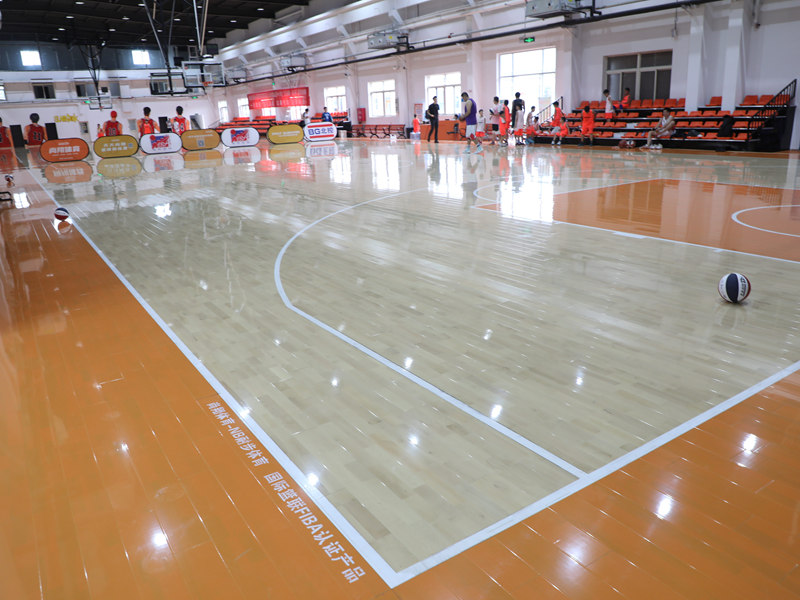
Every Naibu hardwood plank goes through a multi-stage, precision-controlled drying process, where the moisture content of the wood is carefully calibrated to match the typical indoor humidity levels of the region where the floor will be installed. This pre-adjustment process ensures that when the planks arrive on site, they are already acclimated to the local climate, drastically reducing the chance of gaps opening up between planks in dry winter months, or the wood swelling and warping in humid summer months. Naibu’s flooring systems also include a specially designed moisture barrier under the planks, which protects the hardwood from any moisture rising up from the concrete subfloor, a common cause of warping and damage in poorly designed hardwood courts. As long as the indoor basketball facility maintains a consistent indoor humidity level between 40-60% (the same comfortable range that is ideal for people), a Naibu floor will stay perfectly stable, with no warping, no gaps, no cupping, and no performance issues, even in regions with very large seasonal weather changes. From the hot, humid summers of southern China to the cold, dry winters of northern Europe, Naibu hardwood basketball floors have proven their reliability in every type of climate around the world, delivering consistent performance year after year, no matter what the weather is doing outside.