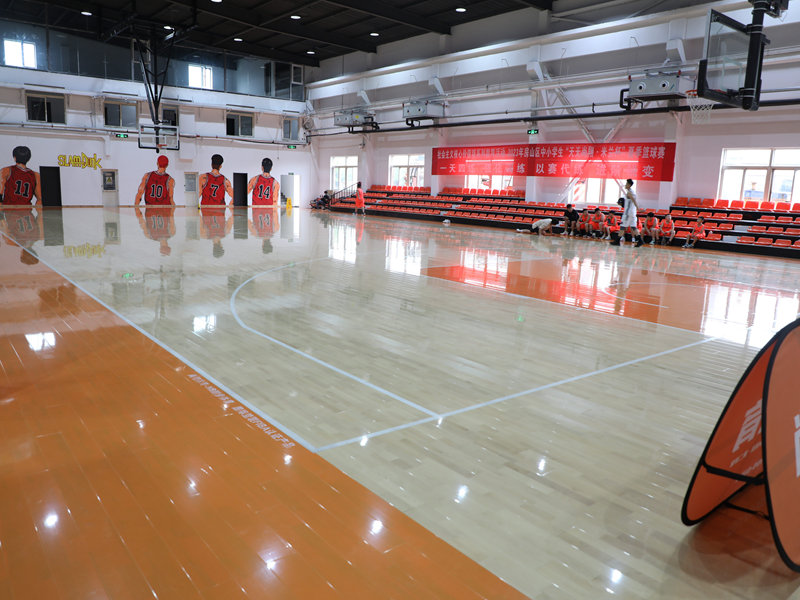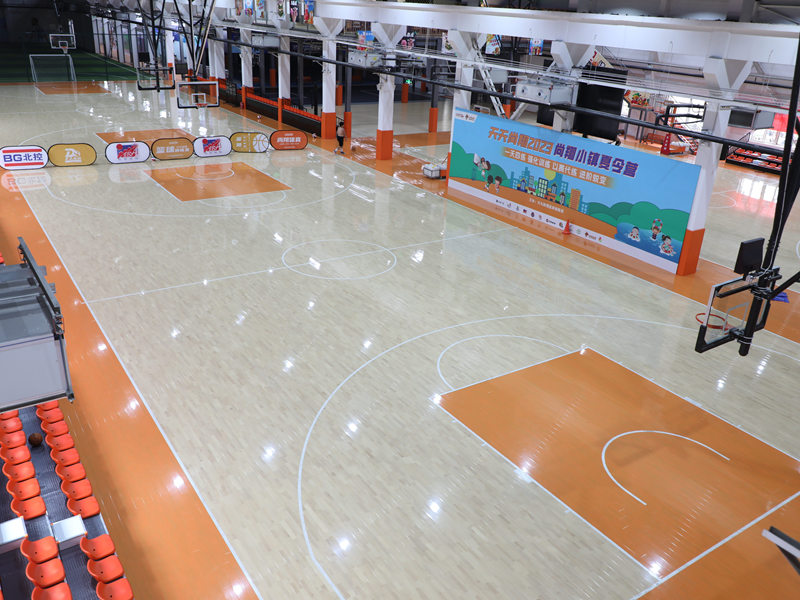
Wooden flooring is the gold standard for indoor sports, but not all sports use the same type of floor or the same specifications. Different sports have different requirements for ball response, traction, shock absorption, and durability, and the wooden floor must be tailored to meet those requirements. In this article, we will explore the most popular indoor sports that use wooden flooring, the specific requirements of each sport, and how the flooring is customized to deliver the best possible performance.
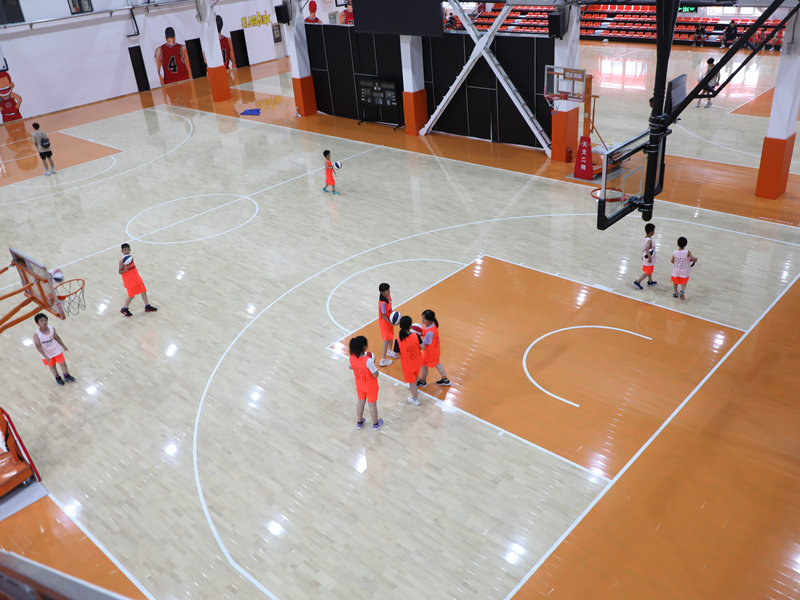
Basketball: The King of Indoor Sports Flooring
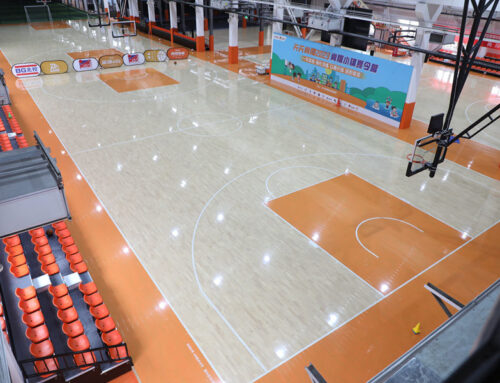
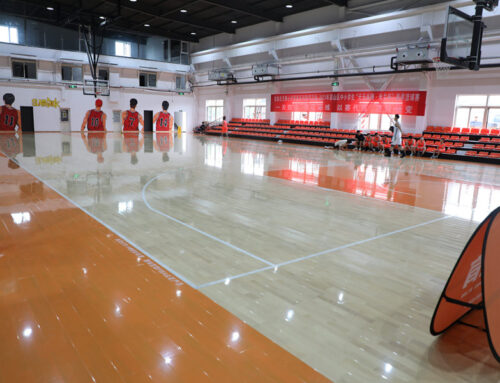
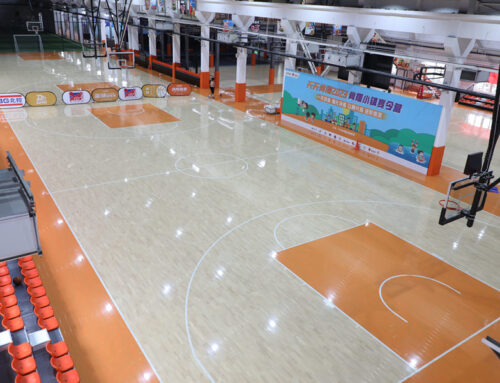
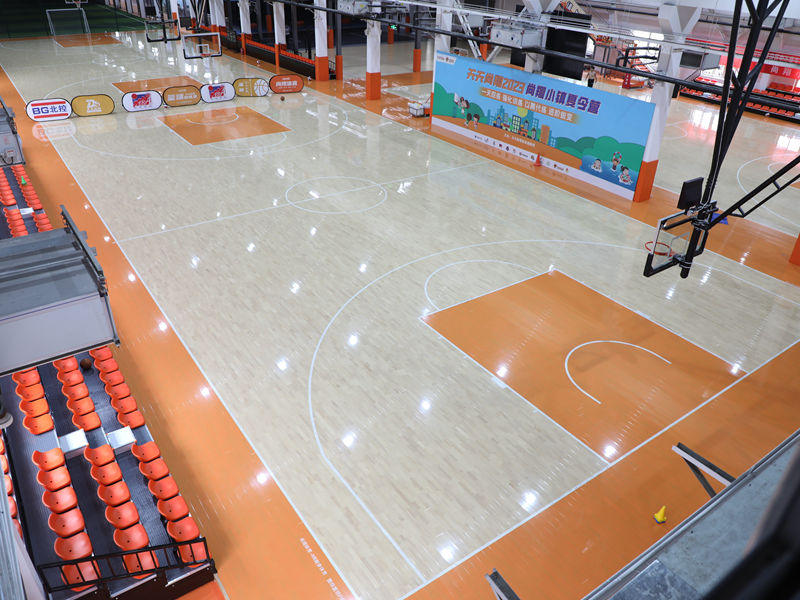
Basketball is by far the most popular indoor sport that uses wooden flooring. From the NBA to local recreational leagues, basketball is played on hardwood courts around the world. The NBA specifies hard maple as the required wood species, with planks that are at least 19 millimeters thick and 67 millimeters wide. The finish must have a gloss level between 52 and 60 gloss units (GU), providing the optimal balance of traction and ball grip.
Basketball courts require a floor that provides consistent ball bounce, excellent shock absorption, and reliable traction. The hard maple floor meets all of these requirements, which is why it is the standard for professional basketball. The bounce of a basketball on a hardwood floor is uniform across the entire court, with no more than a 6 millimeter variation in bounce height from one point to another.
Volleyball: Precision and Traction
Volleyball is another sport that relies heavily on wooden flooring. Professional volleyball courts use hard maple or beech wood, with similar specifications to basketball courts. The floor must provide excellent traction for players who are constantly diving, sliding, and changing direction. It must also provide a consistent ball response, as the ball must bounce predictably when it hits the court.
Volleyball courts are slightly smaller than basketball courts (18 meters by 9 meters for indoor volleyball), but the flooring requirements are similar. The finish on a volleyball court is typically slightly more matte than a basketball court to provide better traction for players who are sliding on the floor.
Badminton: A Different Kind of Challenge
Badminton is a unique indoor sport that requires a different type of wooden flooring. Unlike basketball and volleyball, where the ball bounces, badminton involves a shuttlecock that must land and stay where it lands. This means the floor must provide minimal bounce and excellent grip for players’ shoes.
Badminton courts use a thinner wooden floor than basketball or volleyball courts, typically 15 to 18 millimeters thick. The wood species is usually hardwood maple or beech, and the finish is matte to provide maximum traction. The court is also marked with different lines than basketball or volleyball, and the floor must accommodate these may use a hard maple floor with basketball lines painted on it, and then add volleyball and badminton lines with different colors. The finish may be optimized for basketball, which provides adequate traction for the other sports as well.
Gymnastics and Dance: Specialized Requirements
While not traditionally considered “sports” in the competitive sense, gymnastics and dance also use wooden flooring. Gymnastics floors use a combination of hardwood and spring floors, with the hardwood providing the landing surface and the spring floors providing shock absorption for tumbling. Dance floors use a specially finished hardwood that provides the right amount of slip for dancers to perform spins and turns.
The Future of Indoor Sports Flooring
The popularity of indoor sports continues to grow, and so does the demand for high-quality wooden flooring. New technologies are emerging that are making wooden floors even better. Engineered wood products with improved shock absorption, low-VOC finishes that are safer for indoor air quality, and smart flooring systems that monitor moisture and temperature in real time are all becoming more common.
In conclusion, wooden flooring is the preferred surface for virtually every indoor sport. From basketball to badminton, from volleyball to handball, the performance, durability, and aesthetics of wood make it the ideal choice for indoor athletic facilities. As the popularity of indoor sports continues to grow, so will the demand for quality wooden sports flooring.