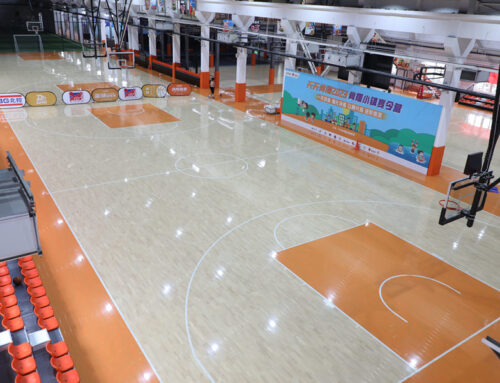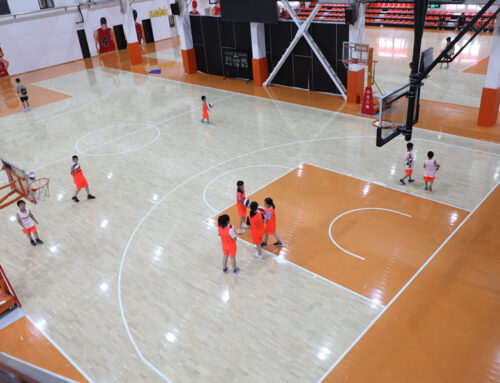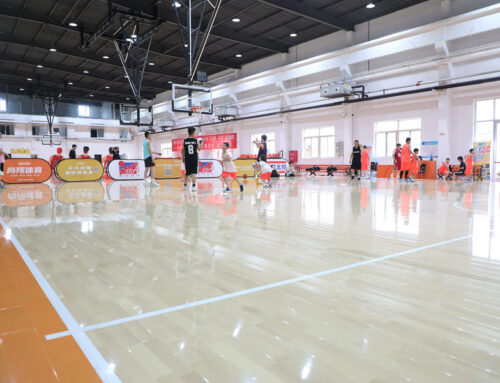
As sustainability becomes an increasingly important consideration in facility design and construction, the environmental impact of indoor basketball court hardwood flooring deserves careful examination. From the forest to the finish, every stage of a hardwood floor’s life has environmental implications. This article explores the full environmental picture.
The Raw Material: Is Hardwood Sustainable?
The most common species used for basketball court hardwood — sugar maple and white oak — are abundant in North American forests. Both species are managed under sustainable forestry practices, and the majority of hardwood used in flooring comes from certified forests certified by organizations such as the Sustainable Forestry Initiative (SFI) or the Forest Stewardship Council (FSC).
Hard maple and white oak are also slow-growing, dense hardwoods that sequester carbon effectively. A mature hardwood tree stores significantly more carbon than a fast-growing softwood, making hardwood a relatively carbon-friendly material when sourced responsibly.
However, it is important to note that not all hardwood is sustainably sourced. Facilities should verify that their flooring comes from certified forests and should avoid species that are endangered or harvested unsustainably.
The Manufacturing Process: Energy and Emissions
The manufacturing process for hardwood flooring — milling, drying, sanding, and finishing — requires energy and generates emissions. The drying process alone can account for a significant portion of the energy used, as wood must be dried to a moisture content of 6 to 9 percent before it can be used. Modern kilns are far more energy-efficient than older models, and many manufacturers use renewable energy sources.
The finishing process involves polyurethane coatings, which are petroleum-based and release volatile organic compounds (VOCs) during application. Low-VOC and water-based finishes are now available and are strongly recommended for indoor athletic facilities to protect both the environment and the health of players and spectators.
The Lifespan Advantage
One of the strongest environmental arguments for hardwood is its longevity. A hardwood court that lasts 30 to 40 years has a far lower environmental impact per year of use than a synthetic floor that must be replaced every 10 to 15 years. The cumulative energy, materials, and waste associated with manufacturing, transporting, and installing multiple synthetic floors far exceeds that of a single hardwood floor.
End of Life: What Happens When the Floor Is Removed?
When a hardwood floor reaches the end of its life, the wood can be recycled, repurposed, or composted. Many companies specialize in reclaiming old hardwood for use in furniture, flooring, or other products. The finish can be removed, and the wood can be milled and reused. This circular approach to hardwood significantly reduces waste.
Synthetic floors, by contrast, are typically made from PVC or other petroleum-based materials that are difficult to recycle and often end up in landfills.
The Verdict
When sourced from certified forests, manufactured with modern energy-efficient processes, finished with low-VOC coatings, and maintained to maximize lifespan, indoor basketball court hardwood flooring is one of the most environmentally responsible flooring options available. Its longevity, recyclability, and carbon sequestration benefits give it a clear advantage over synthetic alternatives.