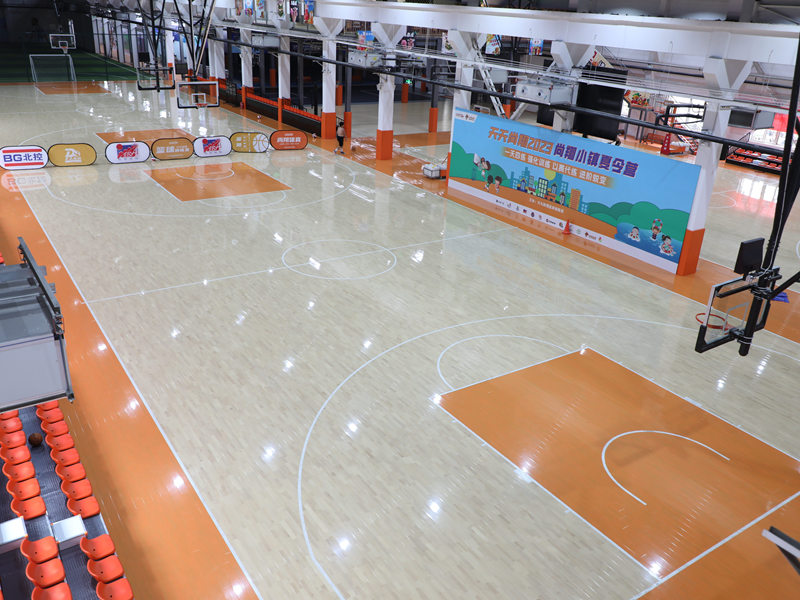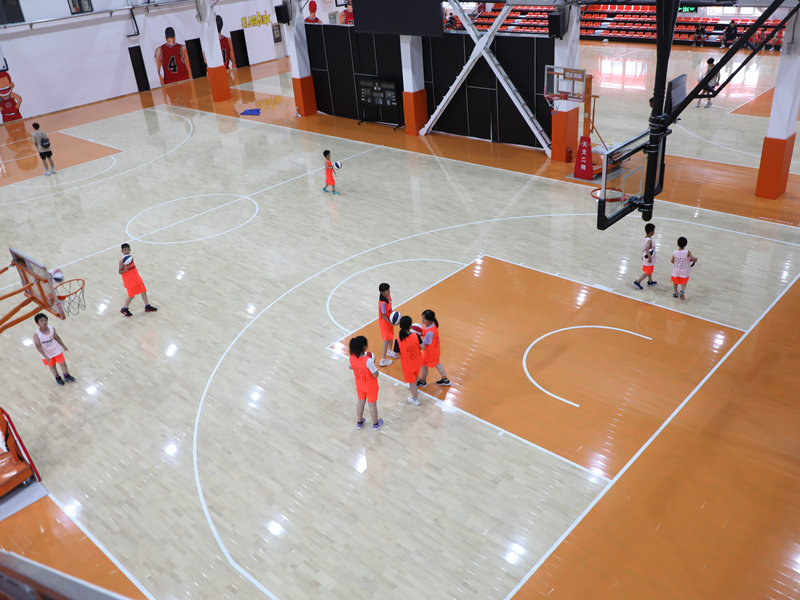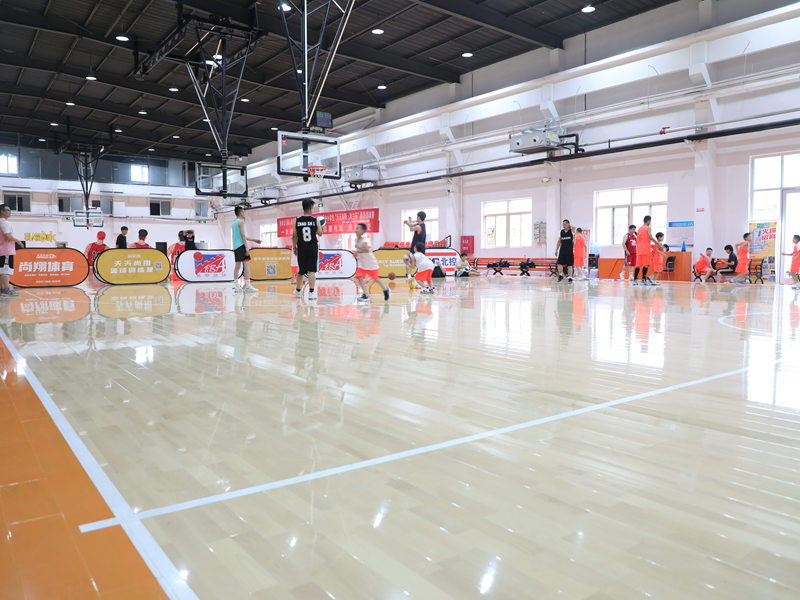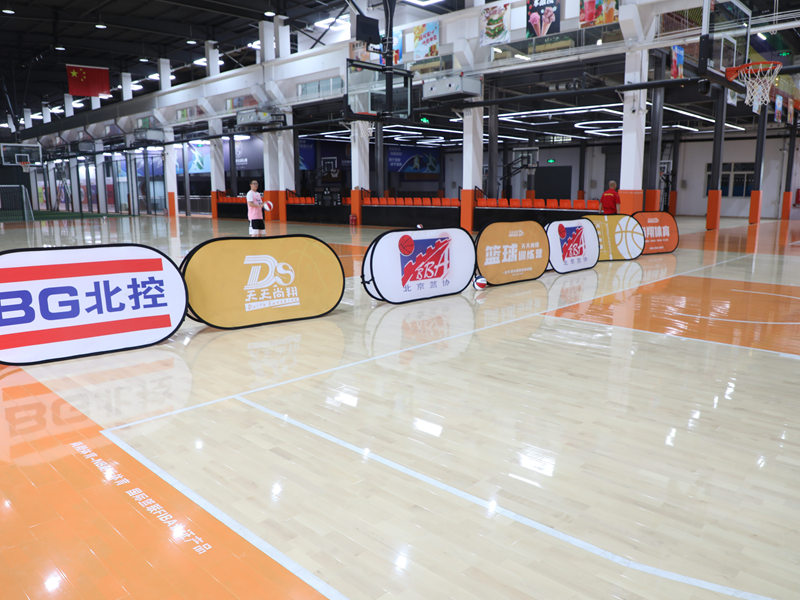
Moisture is the single greatest threat to the longevity and performance of an indoor basketball court hardwood floor. While basketball courts are indoor facilities and are not exposed to rain or snow, moisture can still infiltrate the floor from unexpected sources, causing warping, cupping, crowning, staining, and mold. Understanding how moisture affects hardwood and how to control it is essential for every facility manager.
How Moisture Affects Hardwood
Wood is a hygroscopic material, meaning it absorbs and releases moisture from the surrounding environment. When hardwood absorbs moisture, the wood fibers swell. When it loses moisture, the fibers shrink. This expansion and contraction is normal, but when it is uneven — when one side of a plank absorbs more moisture than the other — it causes the plank to cup, crown, or warp.
Cupping occurs when the edges of a plank are higher than the center, creating a concave shape. Crowning is the opposite — the center is higher than the edges, creating a convex shape. Both conditions make the floor feel uneven and can affect ball bounce consistency.
In severe cases, excessive moisture can cause the finish to peel, the wood to stain, and mold to grow beneath the floor. Mold is not only a structural threat but also a health hazard for players and spectators.
Sources of Moisture in Indoor Facilities
The most common sources of moisture in indoor basketball facilities include:
Concrete slab moisture. If the subfloor is installed directly over a concrete slab without a proper moisture barrier, moisture can migrate up through the concrete and into the wood. This is the most common cause of moisture-related floor failure.
Humidity from players. A gymnasium full of players generates enormous amounts of moisture through perspiration and respiration. Without proper ventilation and climate control, this moisture can accumulate and raise the humidity level to the point where it affects the floor.
Leaks and spills. Plumbing leaks, roof leaks, and HVAC condensation can all introduce moisture to the floor. Even small, undetected leaks can cause significant damage over time.
Moisture Prevention Strategies
The first line of defense is a moisture barrier. A 6-mil polyethylene sheet or a specialized moisture-retarder underlayment should be installed between the subfloor and the hardwood. This barrier prevents moisture from migrating up from the concrete.
The second line of defense is climate control. The facility should maintain a temperature between 60 and 80 degrees Fahrenheit and a relative humidity between 30 and 50 percent. Dehumidifiers should be used in humid climates or during wet seasons.
The third line of defense is ventilation. Proper air circulation helps distribute moisture evenly and prevents it from accumulating in any one area. HVAC systems should be designed to provide adequate air exchange for the size of the facility.
Regular moisture testing should be conducted as part of the maintenance program. A pin-type moisture meter can be used to check the moisture content of the wood. Readings above 12 percent indicate a moisture problem that should be addressed immediately.
The Cost of Moisture Damage
Moisture damage is one of the most expensive problems to fix. Once a floor has cupped or crowned, the only solution is to remove the affected planks, acclimate new wood to the environment, and reinstall. In severe cases, the entire floor may need to be replaced. The cost of moisture damage can easily exceed $50,000 for a standard court.
Prevention is not optional — it is essential. A properly designed moisture control system costs a fraction of what moisture repair costs, and it protects the floor for its entire lifespan.