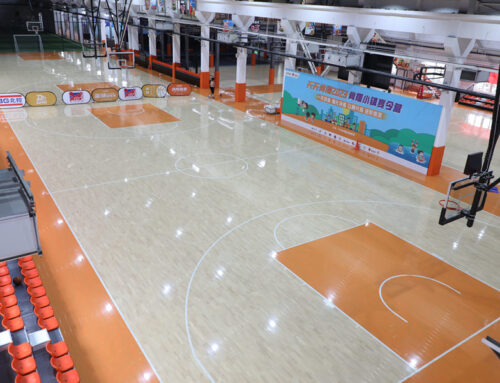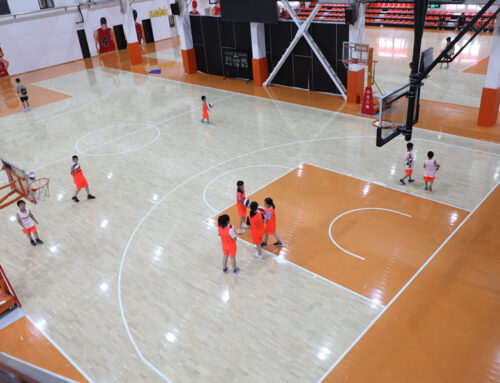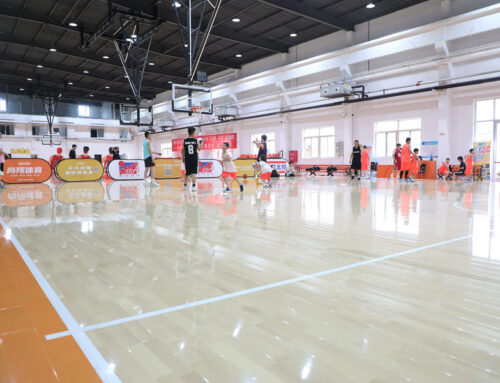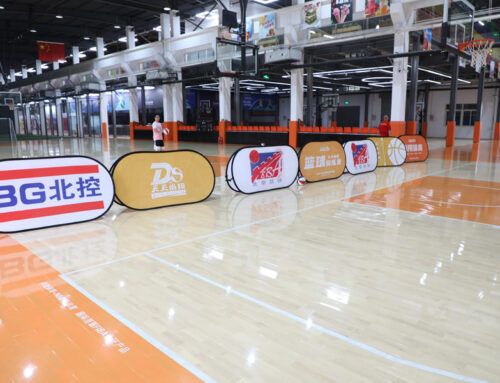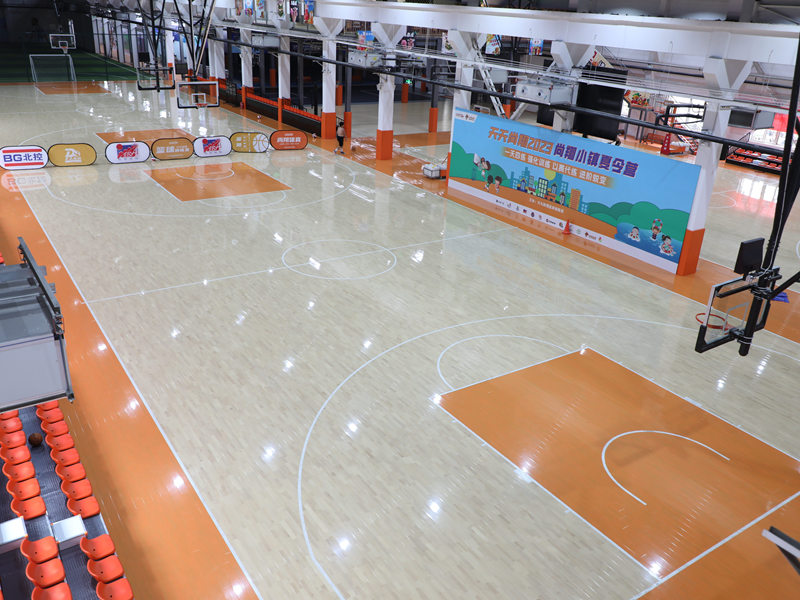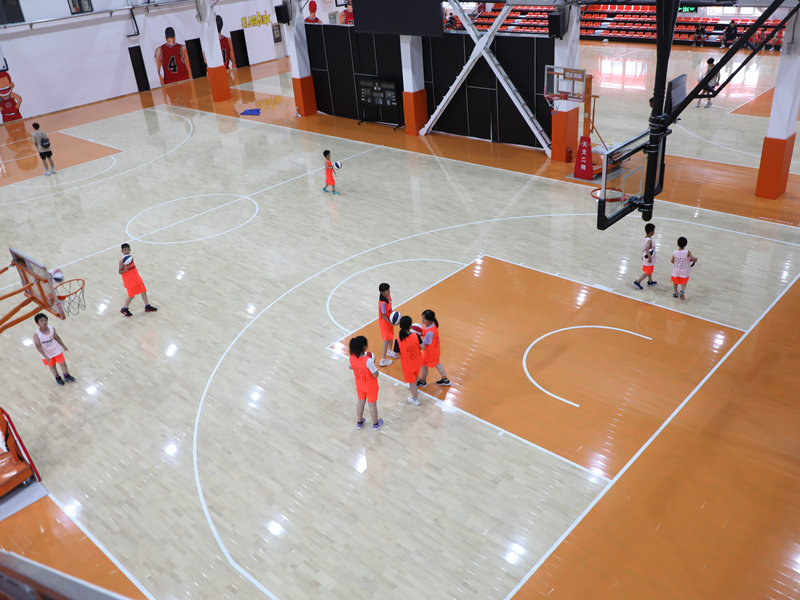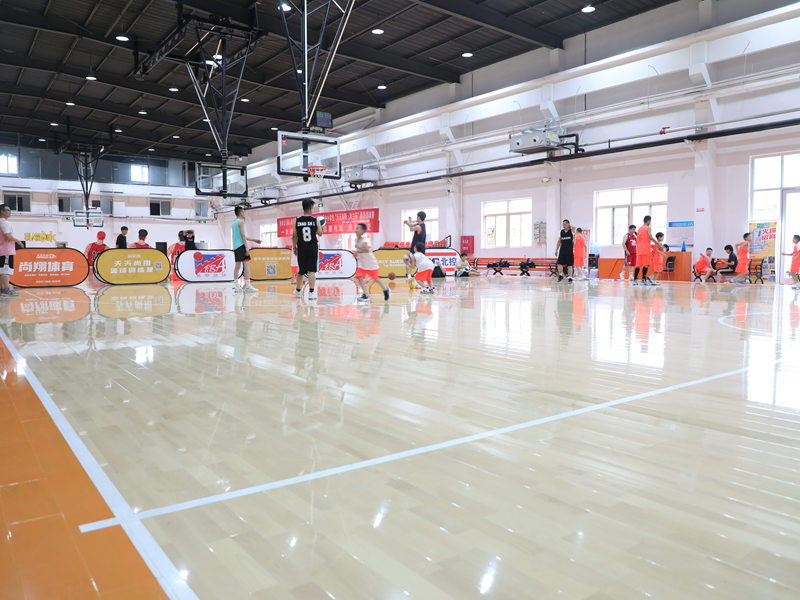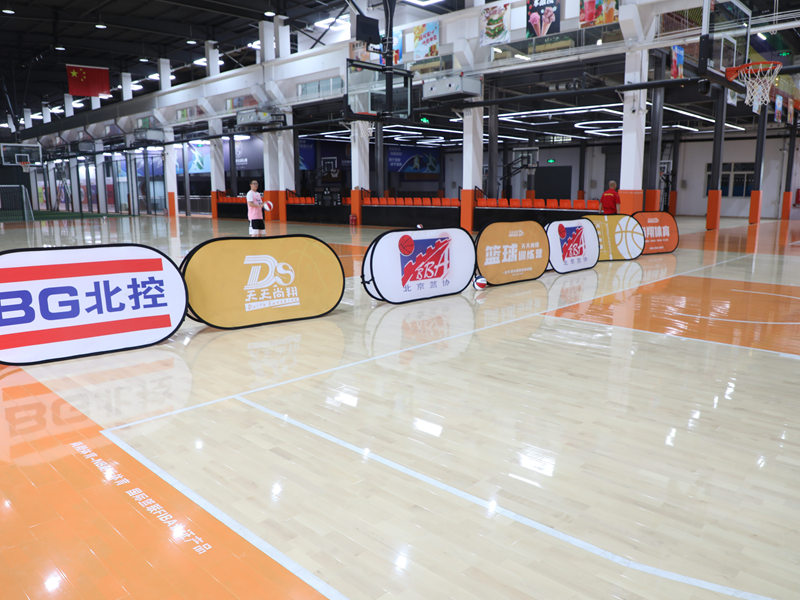
Indoor sports wooden flooring is one of the more expensive flooring options available, and the upfront cost can be a significant barrier for some facility managers. However, a thorough cost analysis reveals that wood flooring is often the most economical choice over the long term.
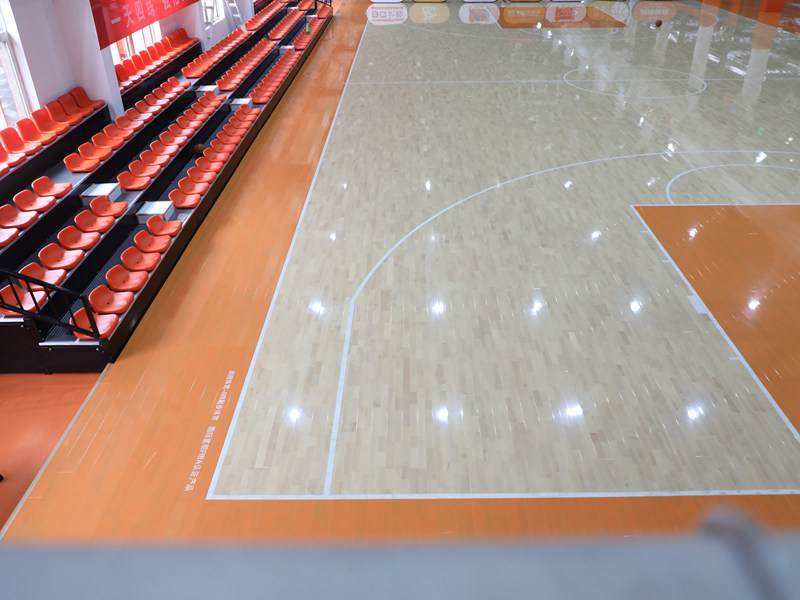
The initial cost of indoor sports wooden flooring varies widely depending on the system type, wood species, plank dimensions, and installation complexity. A basic floating system with oak planks might cost between 60 and 100 per square meter, while a premium fixed system with hard maple can range from 120 to 200 per square meter or more. Installation costs typically add another 30 to 50 percent to the material cost.
Synthetic alternatives such as PVC or rubber flooring are generally cheaper upfront, with costs ranging from 40 to 120 per square meter including installation. On the surface, this makes synthetic floors look like the more budget-friendly option.
However, the true cost of a flooring system must be calculated over its entire lifespan, not just the initial purchase price. A high-quality indoor sports wooden floor can last 25 to 30 years or more with proper maintenance. During that time, it can be sanded and refinished 3 to 5 times, each time restoring the surface to near-new condition. Each refinishing cycle costs a fraction of the original installation cost.
Synthetic floors, by contrast, typically last 8 to 15 years before they need to be replaced entirely. When you factor in the cost of replacement, a synthetic floor can end up costing 50 to 100 percent more than a wood floor over a 30-year period.
Maintenance costs also favor wood. While wood floors require more frequent cleaning and occasional refinishing, these costs are relatively low. Synthetic floors require less day-to-day maintenance but can be expensive to repair if damaged, and they cannot be refinished — once the surface is worn, the entire floor must be replaced.
There is also an intangible cost to consider: performance. Athletes perform better on wood, and better performance can translate into better training outcomes, more competitive success, and higher facility utilization. For professional teams and serious training facilities, this performance premium is worth the investment.
In summary, while indoor sports wooden flooring requires a larger upfront investment, it is typically the most cost-effective option over the lifespan of the facility. The key is to view it as a long-term investment rather than a short-term expense.