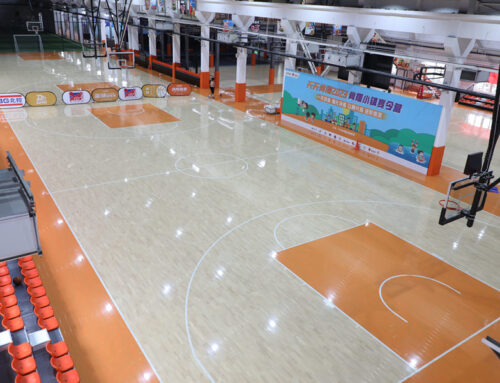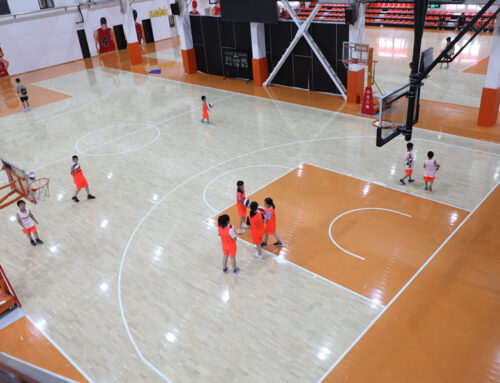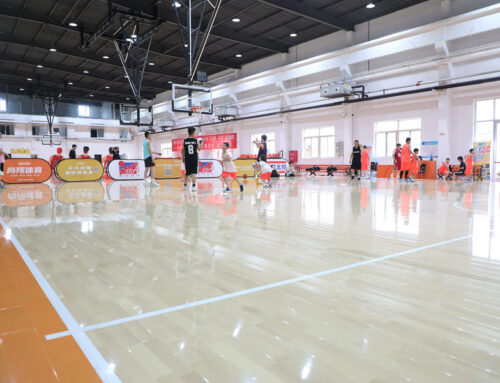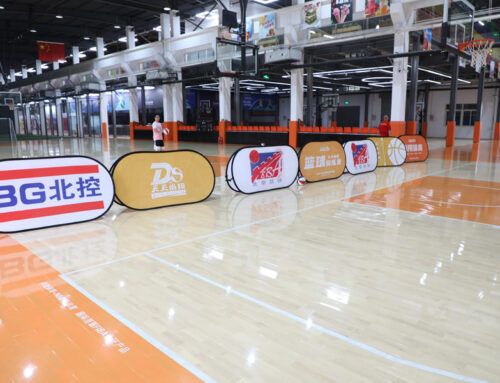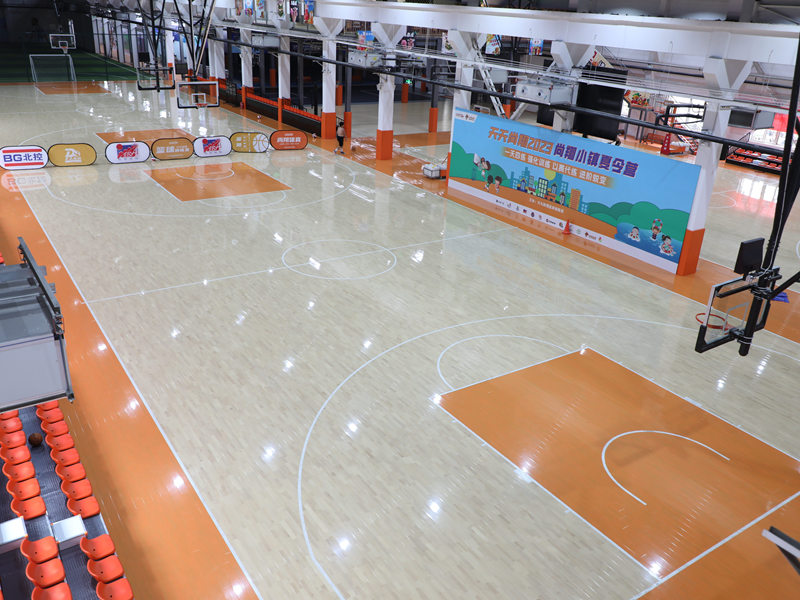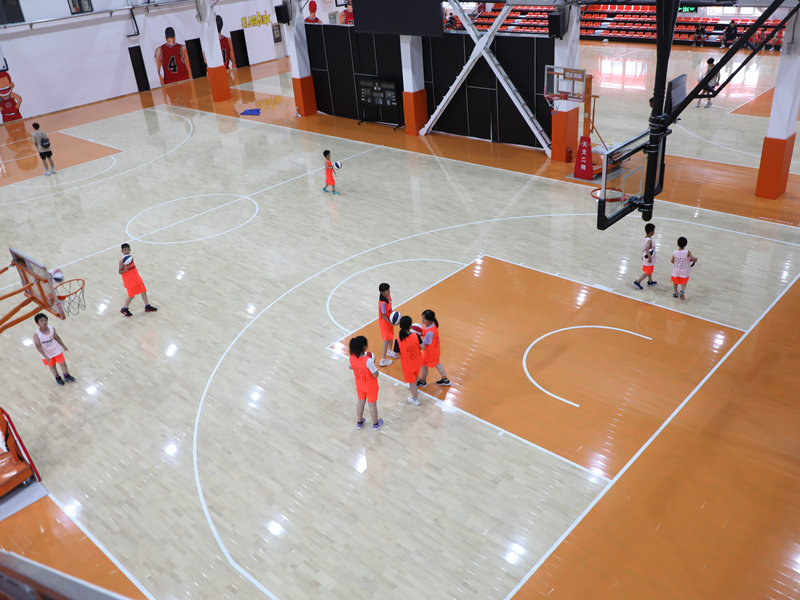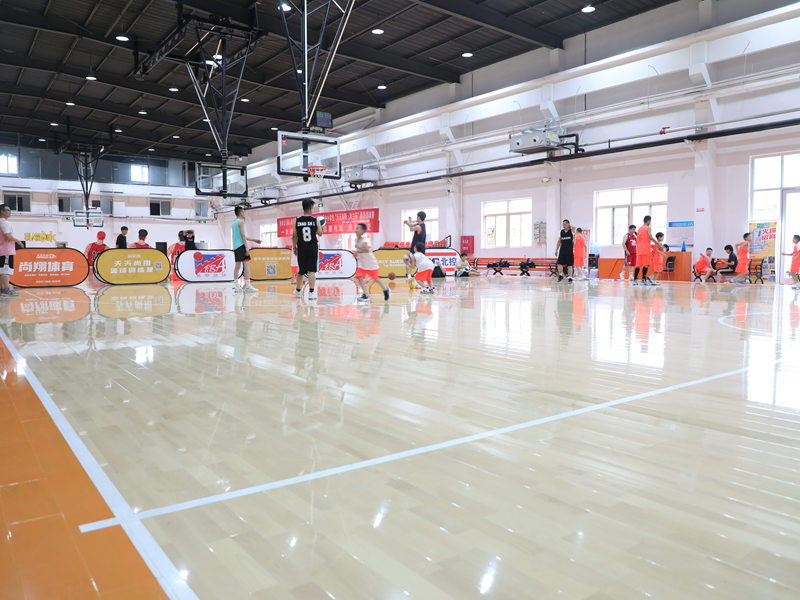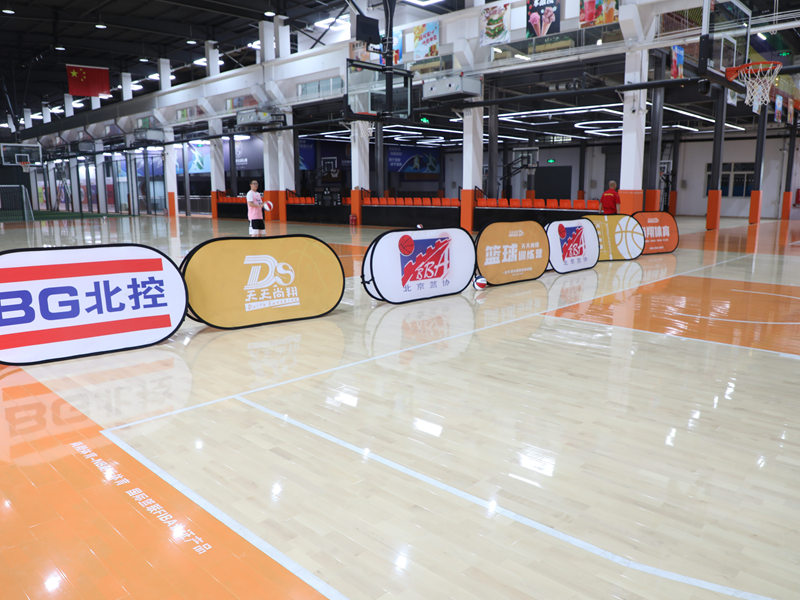
For nearly three decades, the name NaiBu has been synonymous with excellence in the world of indoor sports surfaces, particularly when it comes to professional-grade basketball wooden flooring. The brand’s journey, which began in 1996, is a testament to a relentless pursuit of perfection, evolving from a domestic manufacturer into a globally recognized leader whose courts are trusted by elite athletes on four continents. This legacy is not built on marketing alone but on a foundation of engineering precision, material science, and an unwavering commitment to athlete safety. A NaiBu floor is more than just a playing surface; it is a meticulously calibrated system designed to enhance performance, prevent injury, and withstand the test of time and intense competition. From the careful selection of North American hard maple to the final application of its proprietary UV-cured finish, every step in the creation of a NaiBu basketball wooden flooring system is governed by international standards and a deep understanding of the biomechanics of the game.
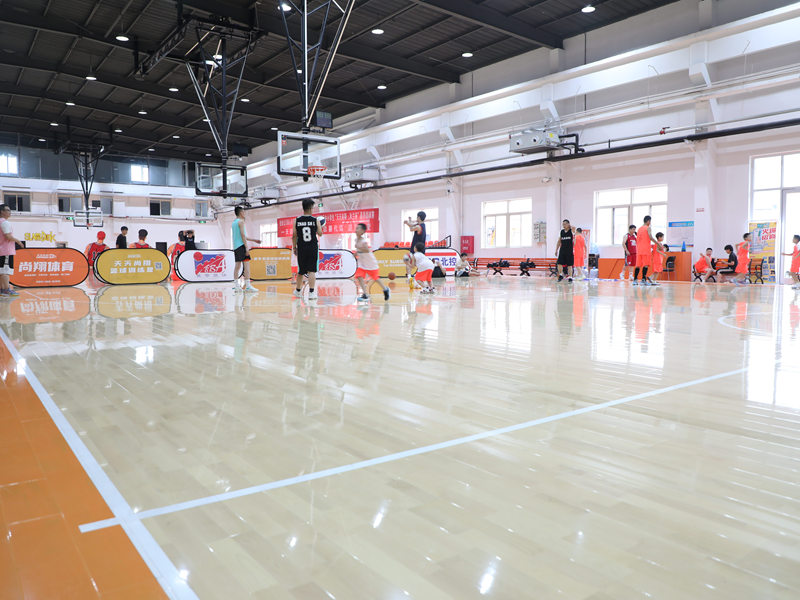
The core philosophy of NaiBu basketball wooden flooring revolves around three pillars: shock absorption, ball response consistency, and player safety. The multi-layer construction, featuring a solid wood top layer, a stabilizing plywood core, and a sophisticated keel and pad substructure, is engineered to absorb over 56% of impact force. This is not a random statistic but a carefully targeted figure that significantly reduces stress on athletes’ joints, lowering the risk of chronic injuries like shin splints and stress fractures. Furthermore, the surface maintains a ball bounce consistency of over 97% across the entire court, ensuring that a dribble or pass behaves predictably whether at center court or in the corner. This uniformity is critical for professional play, where split-second decisions rely on predictable environmental feedback. By holding certifications from FIBA, BWF, and meeting stringent German DIN and EU CE standards, NaiBu provides a global benchmark for quality that tournament organizers and facility managers can trust implicitly.