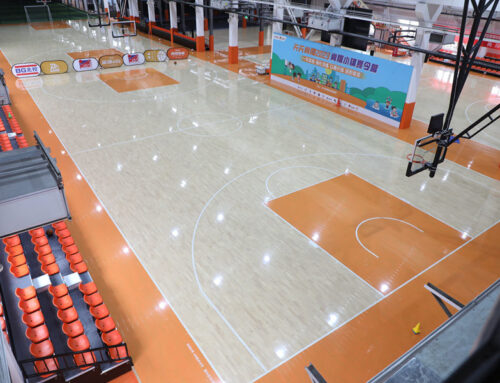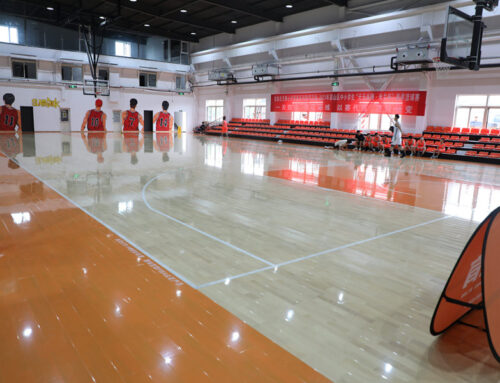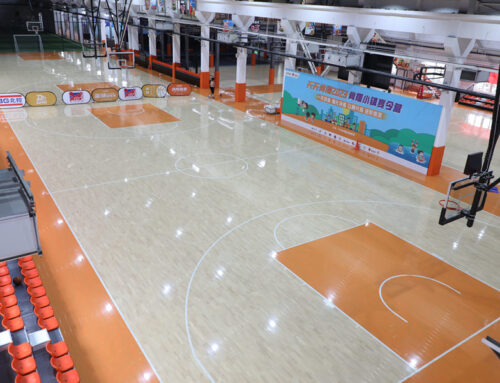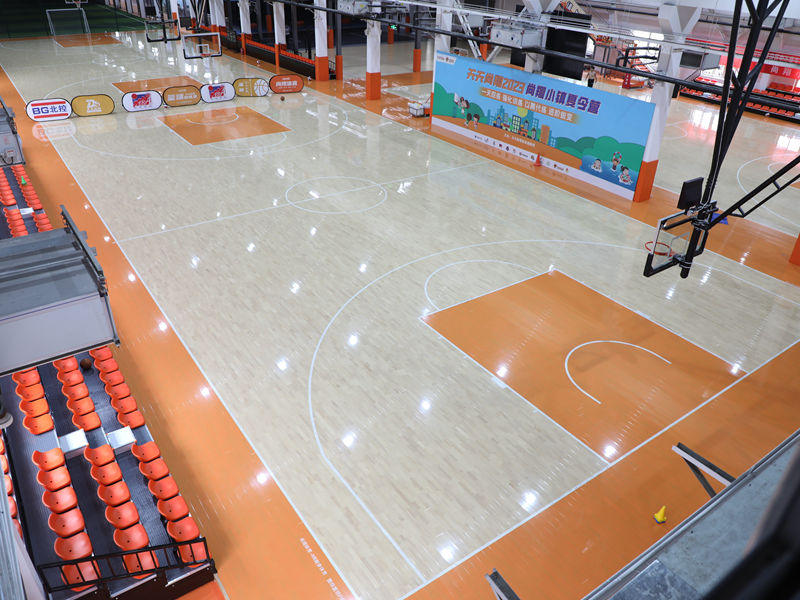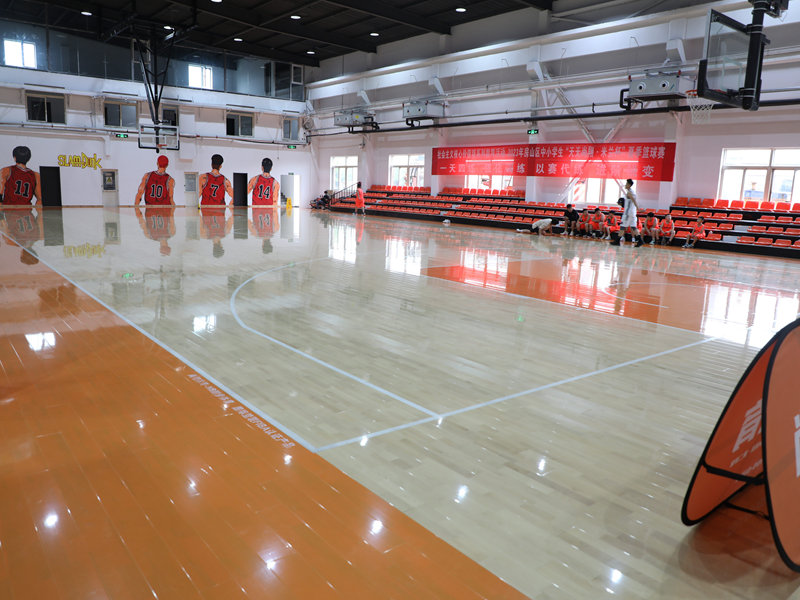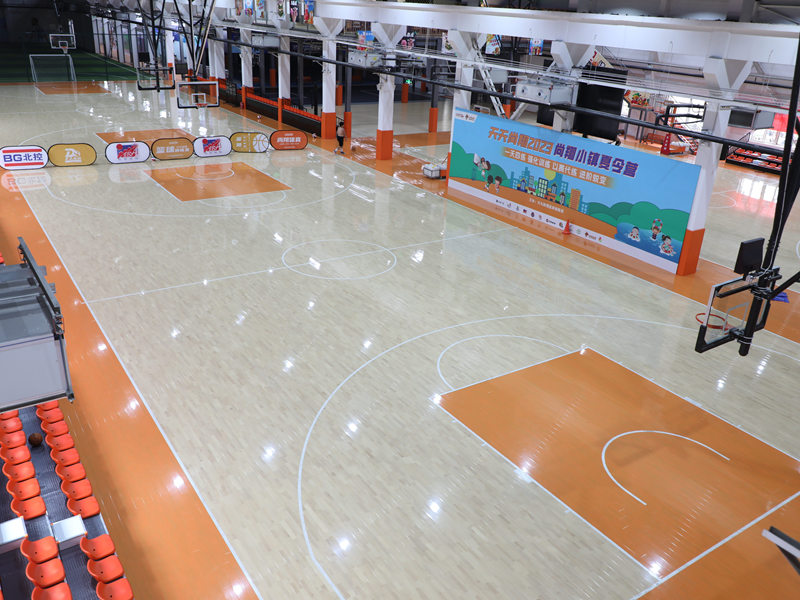
Acoustics is an often-overlooked aspect of indoor sports facility design, but it can have a significant impact on the experience of both athletes and spectators. The acoustic properties of the floor play a crucial role in determining the overall sound environment of a facility. Indoor sports wooden flooring has excellent acoustic properties that make it the ideal choice for sports venues. In this article, we will explore how wooden flooring affects the acoustics of an indoor sports facility.
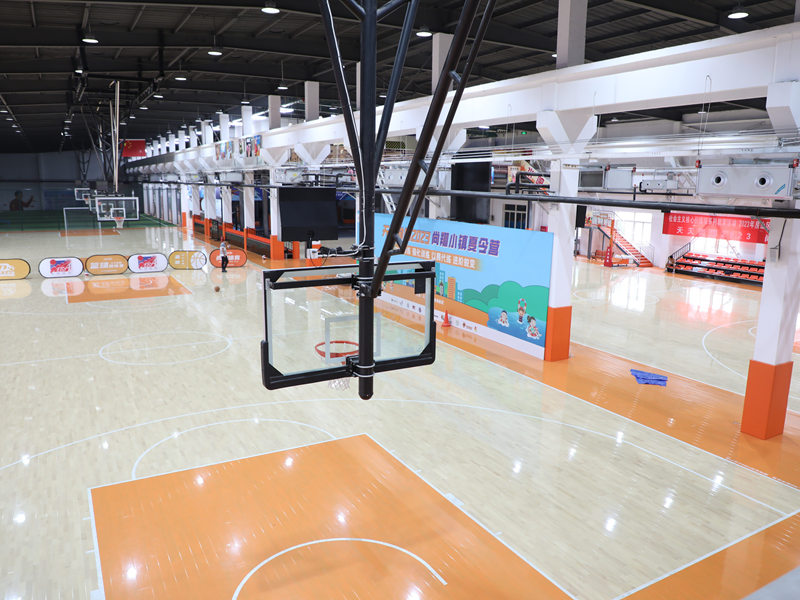
Sound in an indoor sports facility is generated by a variety of sources: the bounce of the ball, the squeak of shoes, the voices of players and coaches, and the impact of bodies on the floor. On a hard surface like concrete, these sounds are reflected and amplified, creating a noisy, echoey environment. This can make it difficult for players to communicate, increase stress levels, and create an unpleasant experience for spectators.
Wooden flooring absorbs sound rather than reflecting it. The natural cellular structure of wood acts as a sound absorber, reducing the echo and reverberation in the facility. This creates a quieter, more comfortable environment that is the facility also play a role in acoustics, but the floor is the largest surface in the room and therefore has the greatest impact. By choosing a wooden floor with good acoustic properties, facility owners can significantly improve the overall sound environment without making major changes to the rest of the facility.
It is worth noting that the acoustic properties of wooden flooring degrade over time if the floor is not properly maintained. A worn or damaged finish can create uneven surfaces that reflect sound more than a smooth, well-maintained surface. Regular recoating and maintenance are essential for preserving the acoustic performance of the floor.
In conclusion, the acoustic properties of indoor sports wooden flooring are a significant advantage over hard surfaces like concrete and synthetic floors. By absorbing sound and reducing echo, wooden floors create a quieter, more comfortable environment that enhances performance for athletes and enjoyment for spectators. When designing a sports facility, the acoustic benefits of wooden flooring should be given the same consideration as the performance and aesthetic benefits.