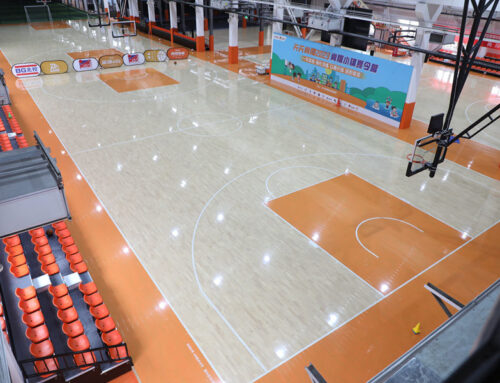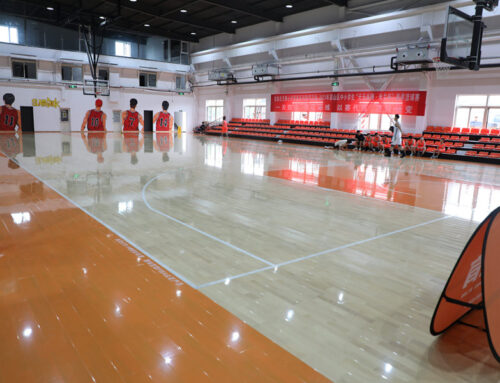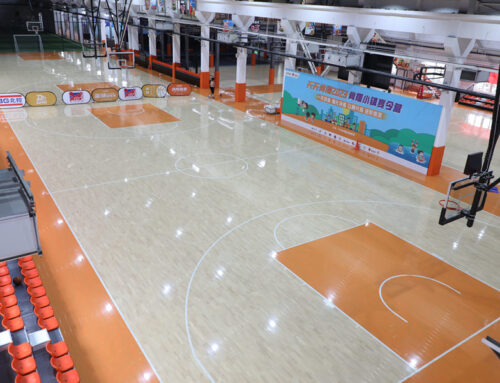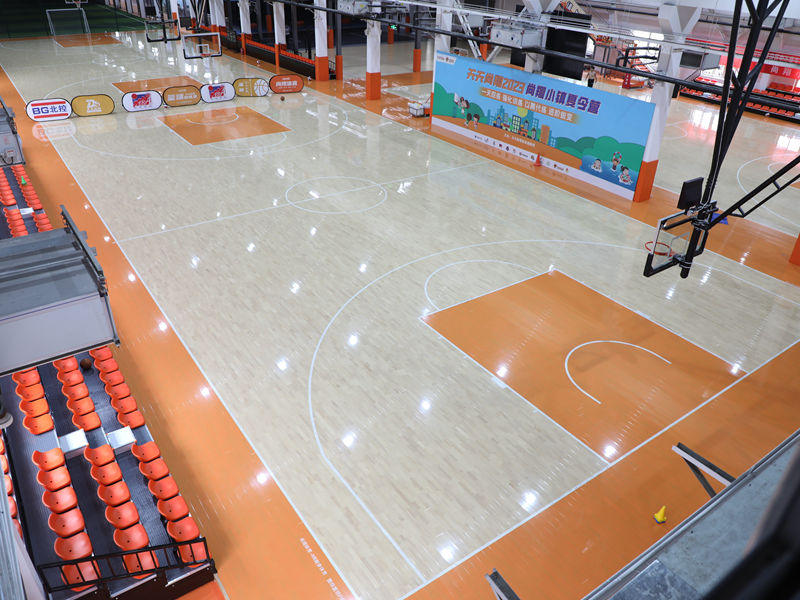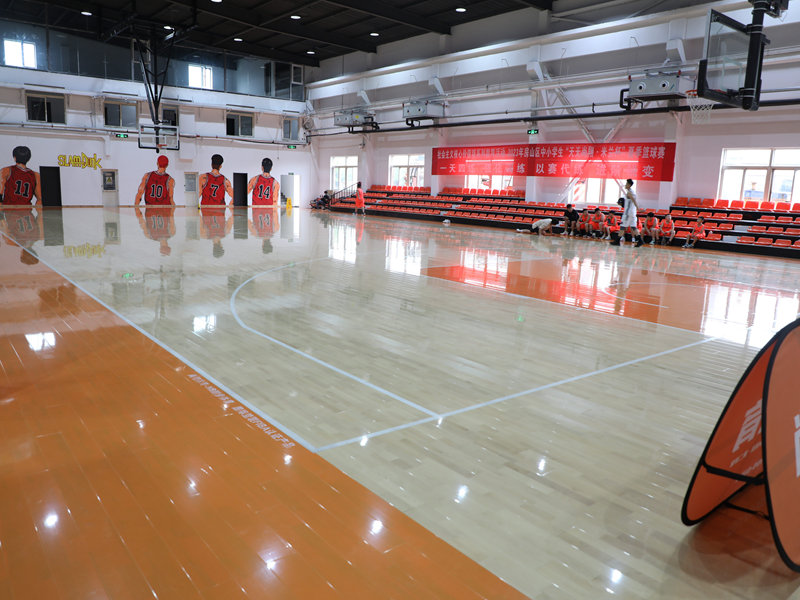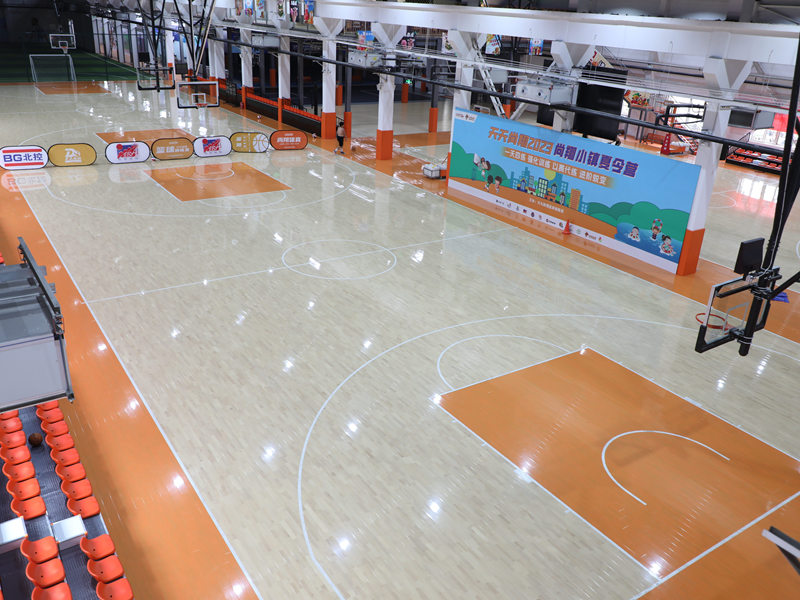
Indoor basketball court wood floors are one of the most environmentally responsible choices for sports facility construction, especially when compared to fully synthetic sports surfaces that are made from non-renewable petroleum-based materials and cannot be recycled at the end of their lifespan. Wood is a naturally renewable resource, and when it is sourced from well-managed, responsibly harvested forests, every tree that is cut down to produce basketball court flooring is replaced with new seedlings that will grow into future mature trees. This sustainable forestry management system actually sequesters carbon dioxide from the atmosphere, as growing trees absorb and store carbon, making a wood basketball court a carbon-negative building material that actively removes greenhouse gases from the environment, rather than adding to them like synthetic flooring products.
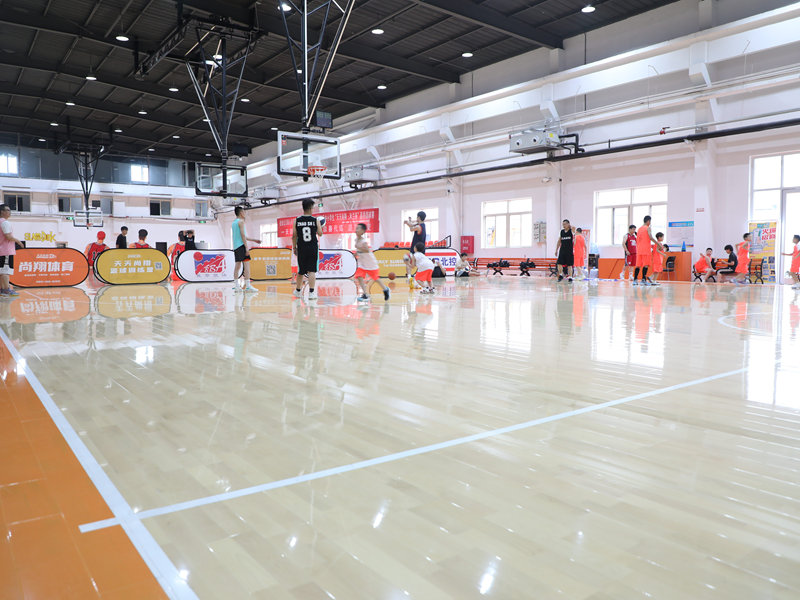
The long lifespan of a properly maintained indoor basketball court wood floor is one of its greatest environmental advantages, as it can deliver 30 to 50 years of service without ever needing to be fully replaced. Most synthetic sports floors, by comparison, have a usable lifespan of only 10 to 15 years, after which they cannot be repaired or refinished, and they have to be completely torn out and sent to a landfill. Over the course of 50 years, a facility with a synthetic floor would need to dispose of three or four full flooring systems, creating huge amounts of non-recyclable waste, while a wood basketball court would still be in service, with only occasional refinishing work needed to keep it in perfect condition. This dramatic reduction in waste generation makes wood basketball floors a far more sustainable choice for any facility that is looking to reduce its long-term environmental impact.
Modern manufacturing processes for basketball court wood floors have also become extremely energy-efficient, with almost zero waste generated during the production process. Every part of the harvested tree is used: the main trunk is milled into the solid hardwood planks for the top playing surface, the smaller branches and lower-quality wood are turned into the plywood core for engineered wood floors, and the sawdust and wood chips that are created during milling are collected and used as biomass fuel to power the manufacturing facilities. This closed-loop production system means that almost nothing goes to waste, and the entire manufacturing process can be powered by renewable wood-based energy, rather than relying on fossil fuels. Many modern facilities also source their wood from local forests within a few hundred kilometers of the manufacturing plant, dramatically reducing the carbon emissions associated with long-distance transportation of the flooring materials.
At the end of its extremely long usable life, an indoor basketball court wood floor is 100% recyclable and biodegradable, unlike synthetic sports floors that will sit in a landfill for hundreds of years without breaking down. Old wood basketball court planks can be reused to make new furniture, turned into decorative wall paneling for other parts of the facility, or even chipped and turned into mulch or biomass fuel for energy production. Even the old finish materials that are removed during the sanding process can be collected and processed in an environmentally responsible way, rather than being dumped in a landfill. This full circular lifecycle means that a wood basketball floor never has to become waste, unlike synthetic alternatives that have no viable recycling options at the end of their short service life.
Beyond their direct environmental benefits, indoor basketball court wood floors also create healthier indoor air quality for players and facility users, compared to many synthetic sports surfaces that can release volatile organic compounds and harmful chemical emissions for years after installation. Natural hardwood does not off-gas any toxic chemicals, and modern water-based and UV-cured finish systems have almost no harmful emissions, creating a safe, healthy playing environment for children, youth athletes, and adult players of all ages. The natural thermal properties of wood also make the floor feel warmer underfoot than cold synthetic surfaces, reducing the need for additional heating in the gym and lowering the facility’s overall energy consumption. When all these factors are combined – the renewable raw material, the ultra-long lifespan, the zero-waste production process, the recyclable end of life, and the healthy indoor environment – it becomes clear that a responsibly sourced indoor basketball court wood floor is the most sustainable, eco-friendly choice available for modern sports facilities.