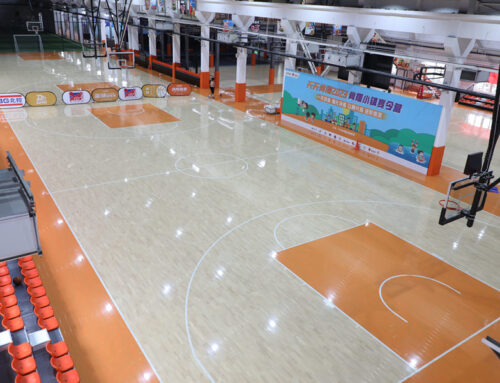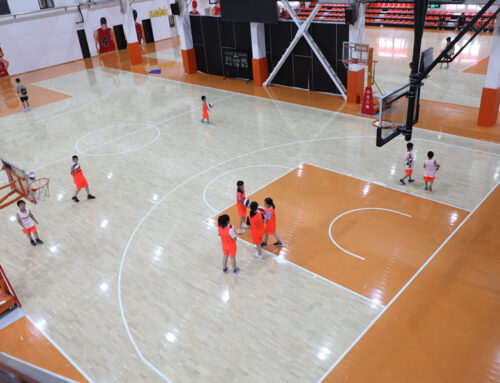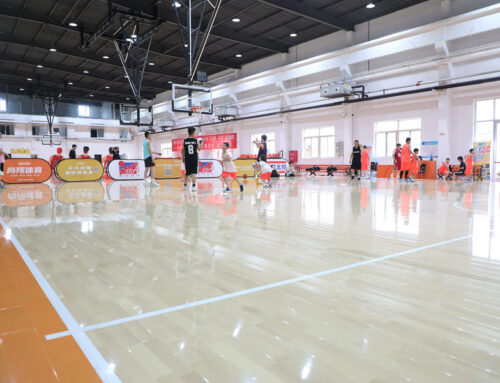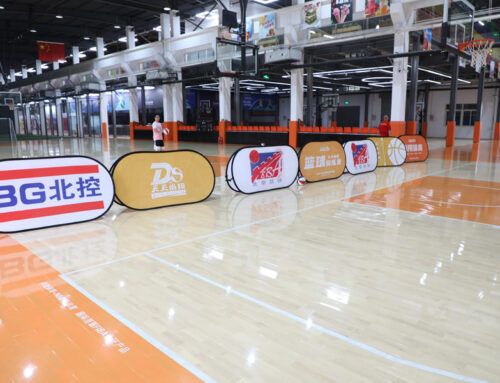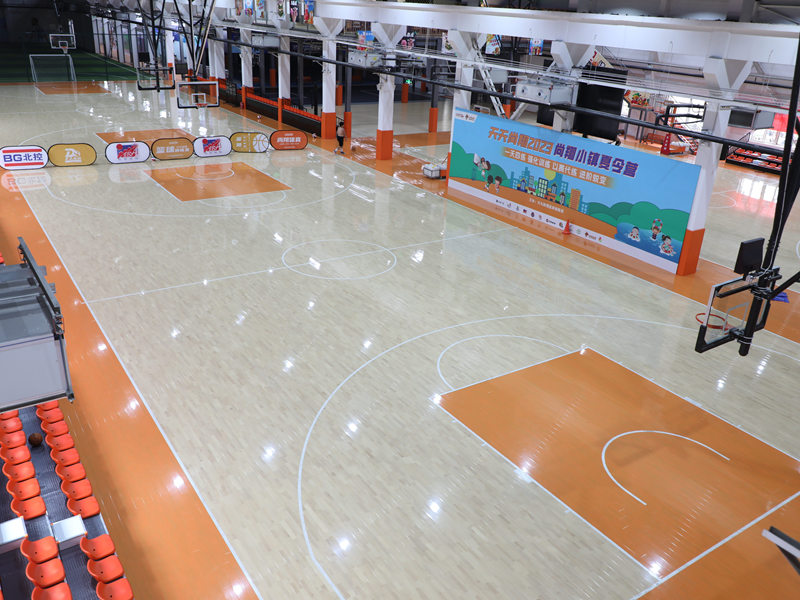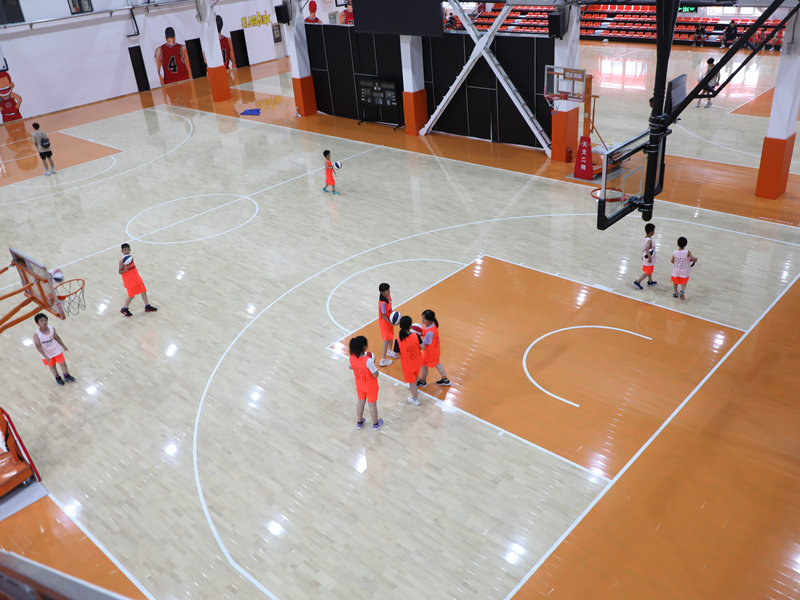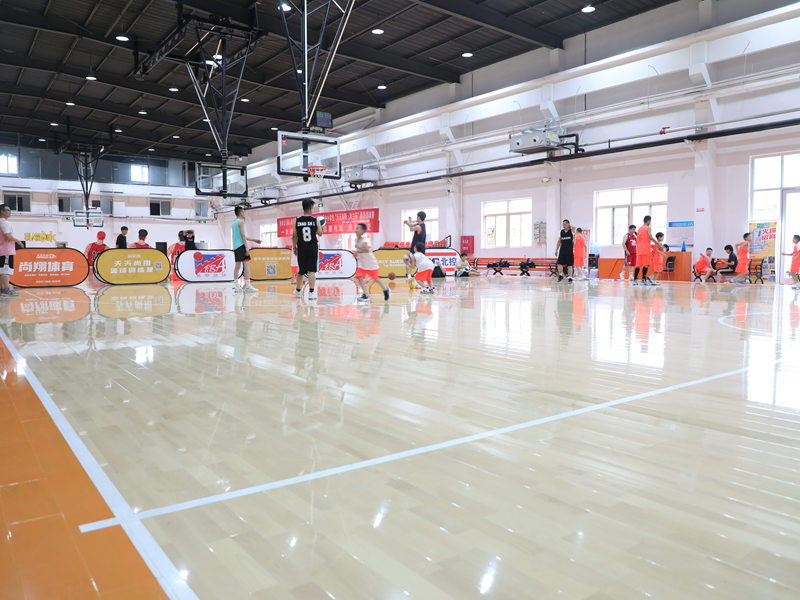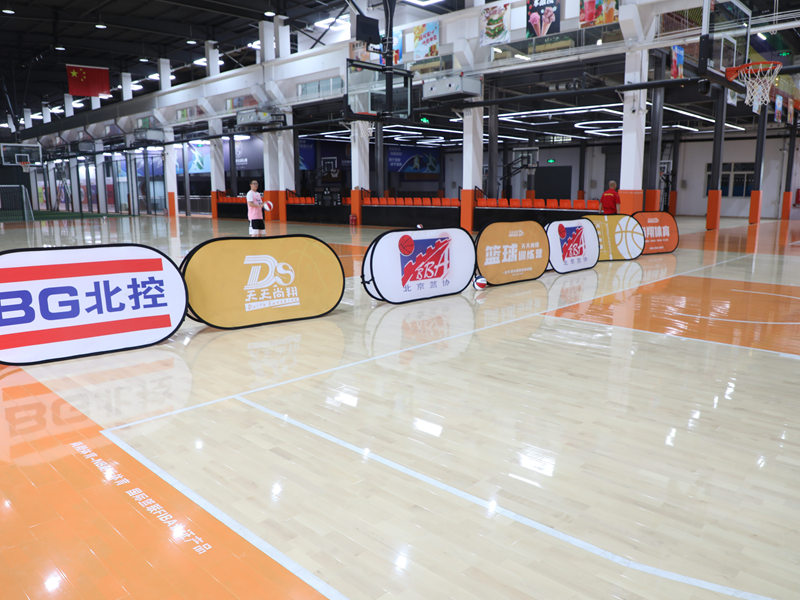
Many modern indoor facilities cannot afford to dedicate a gym space exclusively to basketball, which is why contemporary indoor basketball court wood floors are designed to be highly adaptable for a wide range of other indoor sports, activities, and community events, without compromising their core basketball performance characteristics. A well-constructed wood basketball court provides an excellent surface for volleyball, handball, badminton, and indoor soccer, because its natural shock absorption reduces the injury risk for players of all these sports far more effectively than a hard synthetic or concrete surface. The consistent ball bounce that makes the floor perfect for basketball also translates perfectly to volleyball, where players need predictable surface behavior when diving for loose balls, and to handball, where the consistent bounce of the small handball off the floor is a critical part of the game’s strategy.
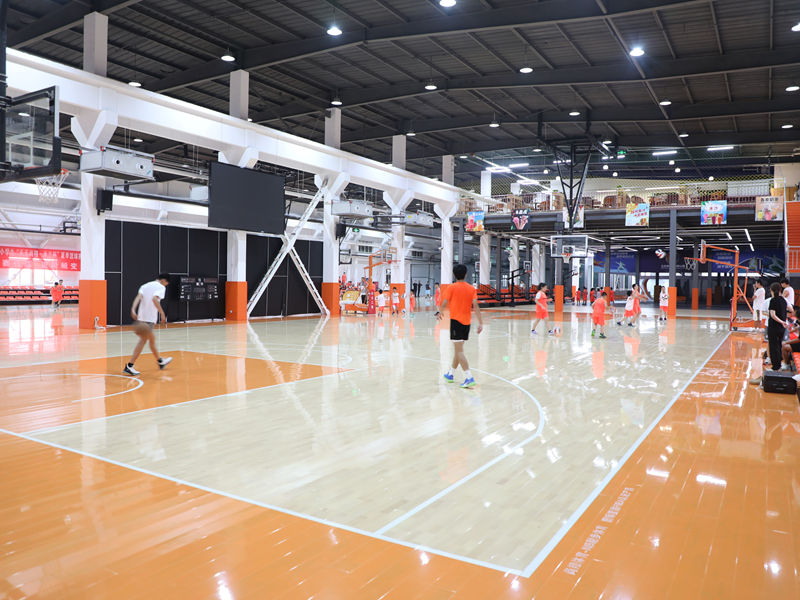
The adaptability of a modern basketball court wood floor extends far beyond just other competitive sports, as it can easily accommodate dance classes, group fitness sessions, yoga, cheerleading practice, and even large community events like concerts, trade shows, and graduation ceremonies. Unlike many synthetic sports surfaces that can be easily damaged by heavy furniture, stage equipment, or foot traffic from large crowds, a properly finished hardwood basketball court is extremely durable, and minor scuffs from event setup can be easily removed during the next regular maintenance screening process. This multi-use capability dramatically increases the value of the facility, allowing it to generate revenue from a wide range of different activities, rather than sitting empty for large parts of the week when no basketball games are scheduled.
One of the key design features that makes modern basketball court wood floors so well-suited for multi-use facilities is their ability to be customized with temporary or removable markings, on top of the permanent basketball court lines. Using specialized non-permanent marking tapes that are designed not to leave any sticky residue on the finish, facility operators can quickly add temporary lines for volleyball courts, badminton courts, pickleball courts, or indoor soccer fields, allowing them to reconfigure the space in a matter of minutes. When these temporary lines are no longer needed, they can be peeled away completely, leaving no trace behind on the wood floor, so the permanent basketball court markings are ready for use again. This flexibility allows a single gym space to serve the needs of dozens of different sports and community groups, maximizing the usage of every square meter of the facility.
For facilities that host large events with heavy foot traffic, modern basketball court wood floors can also be protected with temporary, non-abrasive floor coverings that spread the weight of heavy equipment, chairs, and stage structures across the surface, preventing any dents or damage to the wood. These protective coverings are designed to be used for short-term events, and they can be easily rolled up and stored away when the event is over, leaving the wood floor underneath completely unharmed and ready for basketball play. This is a huge advantage over many synthetic sports surfaces, which can be permanently dented or torn by heavy stage equipment, even when protective coverings are used. The natural hardness and structural stability of a well-built wood basketball court makes it far more resistant to this kind of heavy static load damage.
The multi-use design of modern indoor basketball court wood floors also makes them ideal for school facilities, where the gym needs to serve as a physical education space, an athletic competition venue, an assembly hall, and a community event space all at the same time. By carefully selecting a wood species and finish system that balances basketball performance with the durability needed for heavy general use, schools can create a single space that meets all their needs, without having to invest in multiple different specialized surfaces. This adaptability, combined with the floor’s long lifespan and low long-term maintenance costs, makes a high-quality wood basketball court an incredibly versatile investment that can serve generations of students, athletes, and community members for decades.