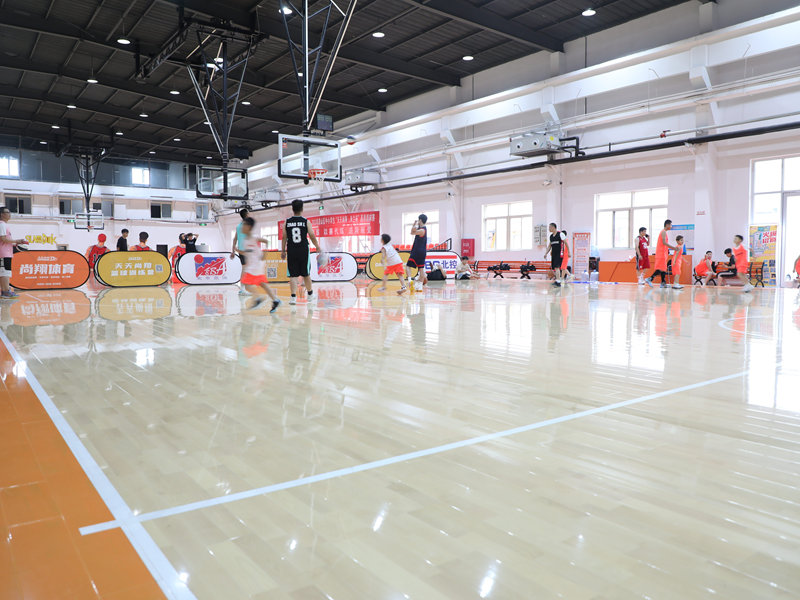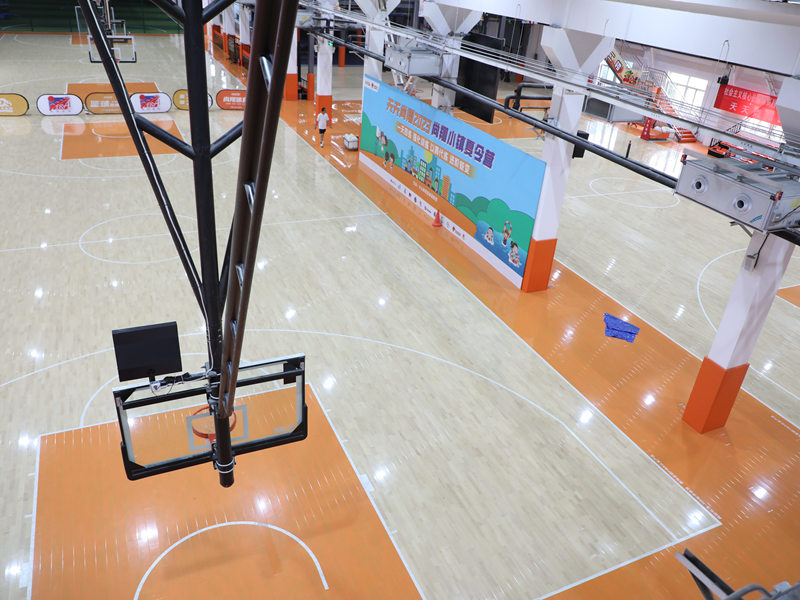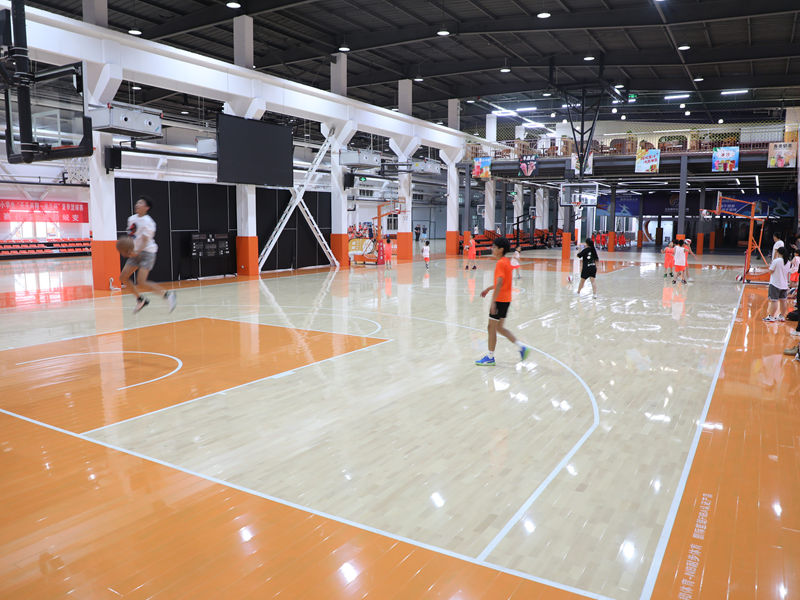
Wood is a natural material, and natural materials respond to their environment. The single biggest factor affecting the performance and lifespan of an indoor sports wood floor is moisture. And moisture is controlled almost entirely by climate.
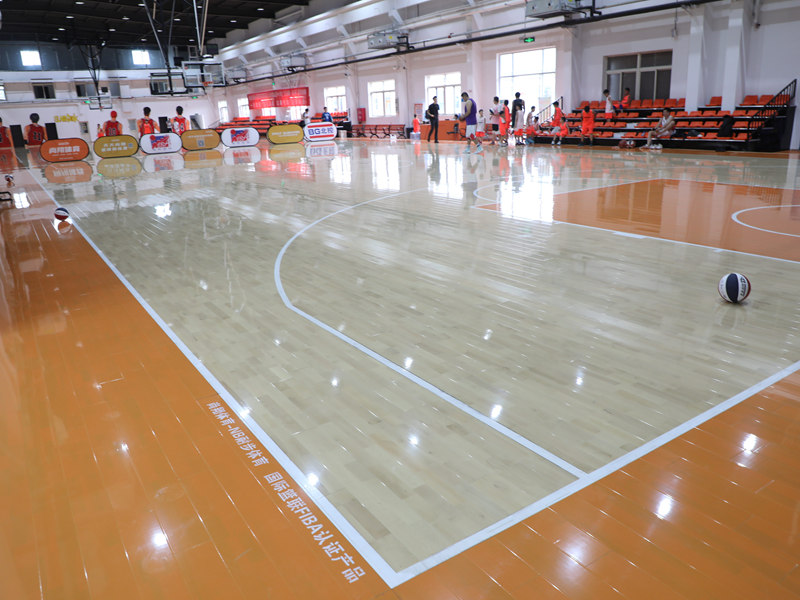
In northern cities like Beijing, winter indoor humidity can drop to 20 percent or lower when heating systems run around the clock. At this humidity level, wood loses moisture and shrinks. This causes gapping between panels, surface checking, and in extreme cases, cracking. The floor becomes brittle and loses some of its shock absorption ability.
In southern cities with high humidity, the opposite happens. Wood absorbs moisture from the air and swells. This causes cupping, crowning, and in severe cases, mold growth under the panels. The floor becomes soft and the ball bounce becomes inconsistent.
The solution starts with the wood itself. Panels for northern climates should be kiln-dried to a moisture content of 8 to 13 percent. This is lower than the 12 to 15 percent used in more moderate climates. Lower moisture content gives the wood more stability in dry conditions. The finish should also be more robust in northern climates, with extra coats to seal the wood against moisture loss.
The structural system must also be designed for the local climate. In dry climates, the expansion gaps around the perimeter should be slightly larger, typically 8 to 12 millimeters instead of 6 to 8 millimeters. This gives the wood more room to move without buckling. In humid climates, the gaps can be smaller, but the subfloor must be properly sealed to prevent moisture from rising up.
Installation timing matters too. The best time to install a sports wood floor is during the shoulder seasons, spring or fall, when indoor humidity is most stable. Installing in the dead of winter or the height of summer introduces more risk because the wood will continue to adjust after installation.
Once installed, the facility must maintain a consistent indoor humidity level year-round. The ideal range is 40 to 60 percent relative humidity. This requires a humidification system in winter and possibly a dehumidification system in summer. The cost of these systems is small compared to the cost of replacing a floor that has warped or cracked.
Climate adaptation is not optional. It is a fundamental requirement for any sports wood floor to perform well and last long. A floor that is designed for a tropical climate will fail in a northern city, and vice versa. Always make sure the supplier has designed the floor for your specific climate.