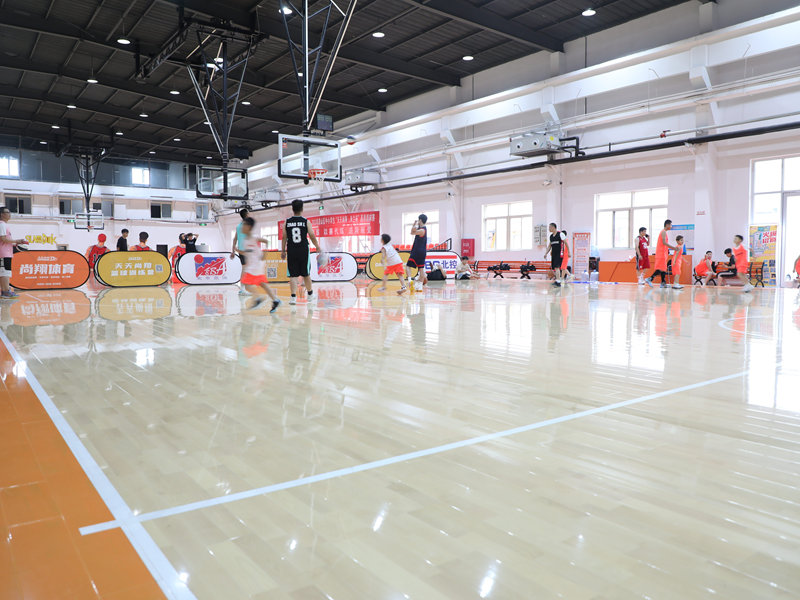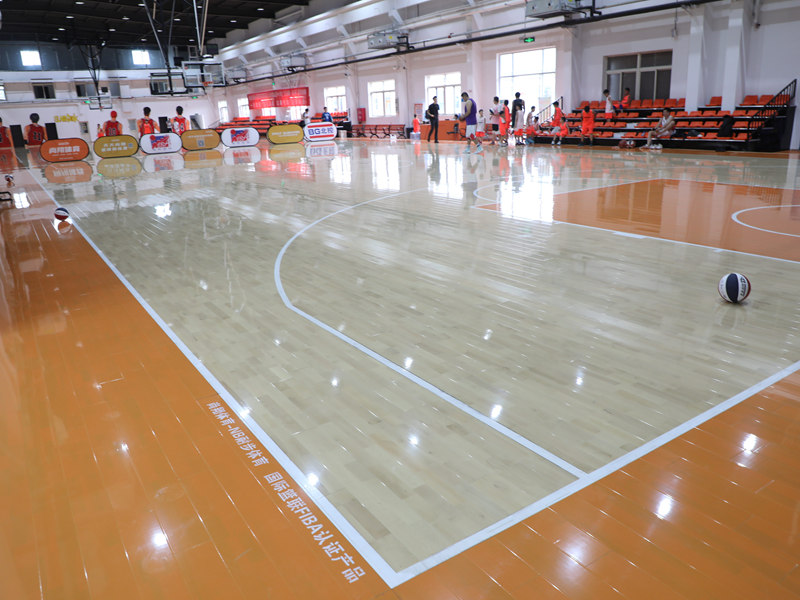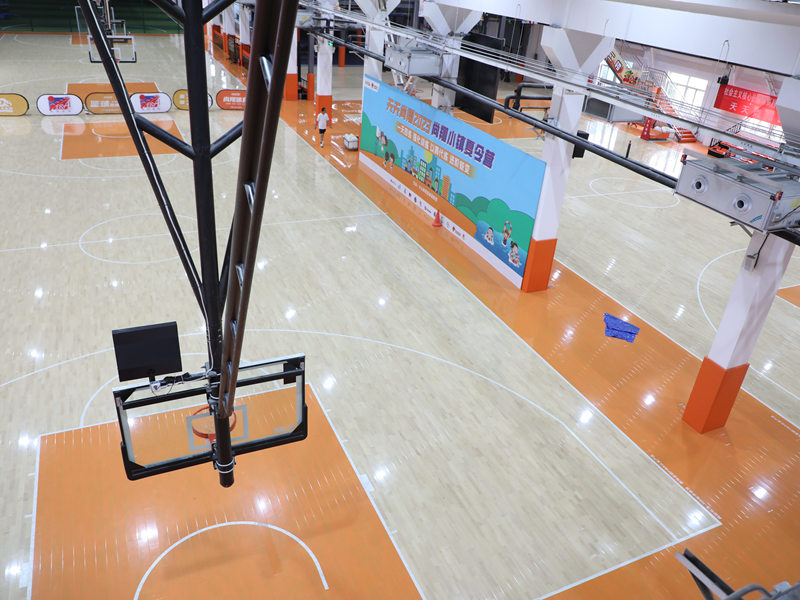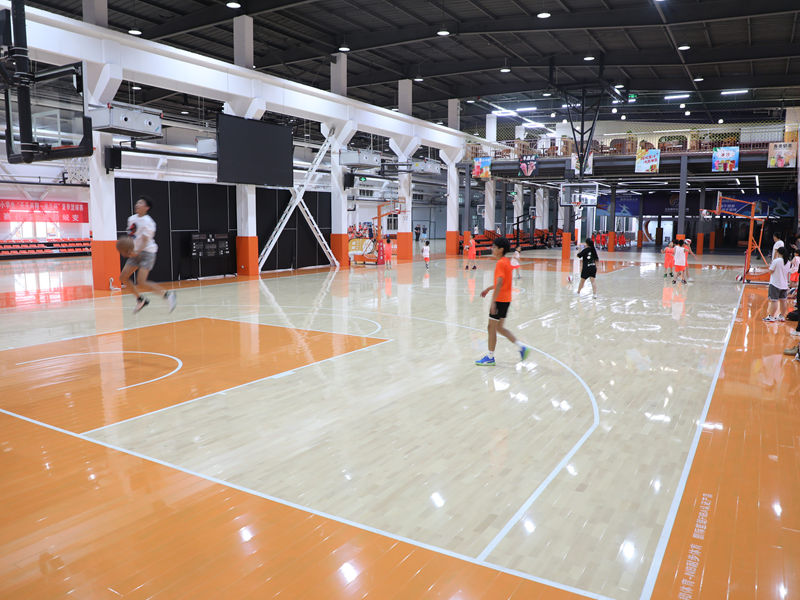
Even the best sports wood floors develop problems over time. Knowing what to look for and how to respond can save you thousands of dollars and months of downtime. Here are the most common issues and their solutions.
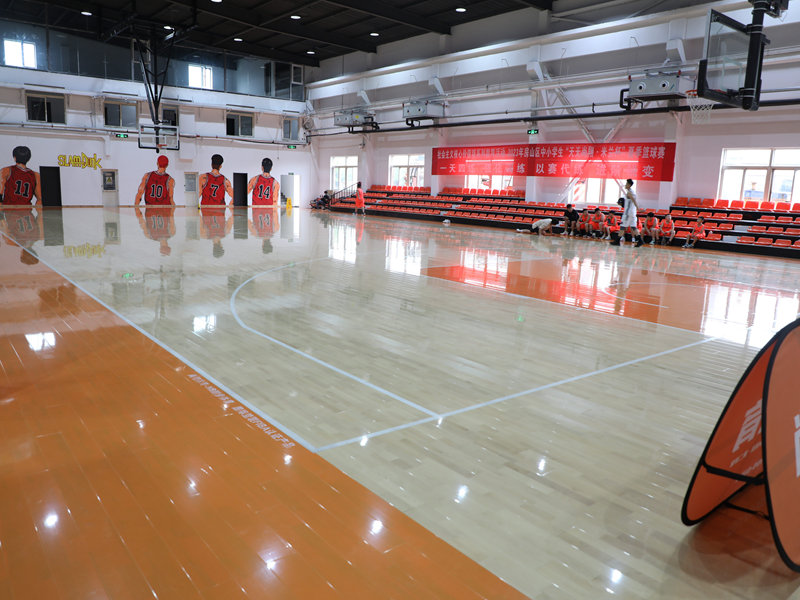
The first and most common problem is cupping. This is when the edges of a panel rise higher than the center, creating a concave shape. Cupping is almost always caused by moisture imbalance. Either the subfloor is too wet, or the air is too dry, causing the bottom of the panel to lose moisture faster than the top. The fix is to correct the moisture source. Improve ventilation, fix any plumbing leaks, and adjust the humidity control system. In mild cases, the panels will flatten out on their own as moisture equalizes. In severe cases, individual panels may need to be replaced.
The second common problem is gapping. This is the opposite of cupping: the edges of the panels pull away from each other, creating visible gaps. Gapping is caused by low humidity. In winter, when indoor heating runs constantly, humidity can drop below 20 percent. The wood shrinks, and the gaps appear. The fix is to increase humidity using humidifiers. A target of 40 to 60 percent relative humidity is ideal for sports wood floors. Gaps will close as humidity rises.
The third problem is squeaking. A squeaky floor is usually caused by a loose panel or a loose structural beam. The panel is not making full contact with the structure, so it vibrates when walked on. The fix is to locate the loose panel, remove it, apply a thin layer of adhesive or shim material to the beam, and re-lay the panel. In some cases, the structure itself has shifted and needs to be re-leveled and re-fastened.
The fourth problem is a slippery surface. Over time, the finish on a sports floor becomes polished smooth by shoe traffic. This reduces the friction coefficient and increases the risk of slipping. The fix is to apply an anti-slip treatment. This is a special coating that restores the friction without changing the appearance of the floor. It should be done every six to twelve months in high-traffic facilities.
The fifth problem is localized wear. High-traffic areas like the free-throw line in basketball or the service line in badminton wear faster than the rest of the floor. The fix depends on the severity. Light wear can be addressed with a spot refinish. Heavy wear requires panel replacement. To prevent this, rotate high-wear areas by changing the layout of activities periodically.
The key to managing all of these problems is early detection. Regular inspections catch small issues before they become big ones. A floor that is inspected quarterly will last longer and cost less to maintain than one that is ignored until something breaks.