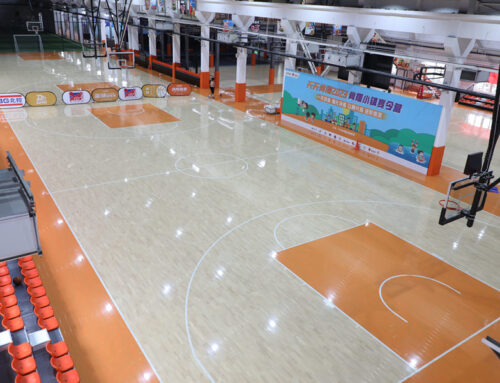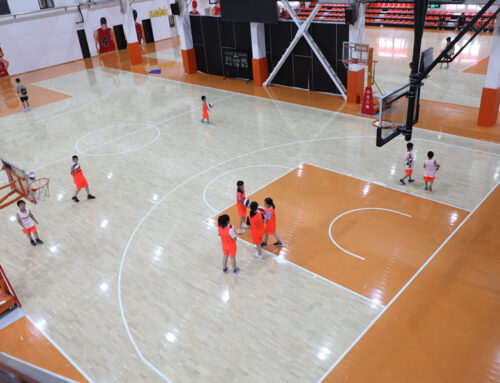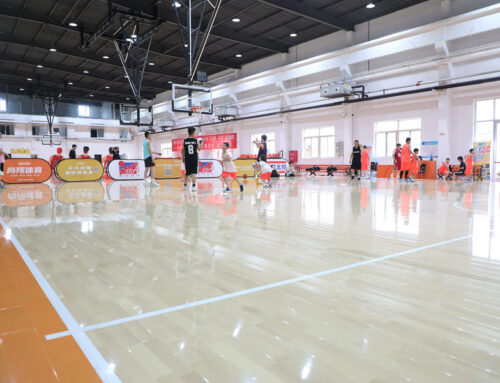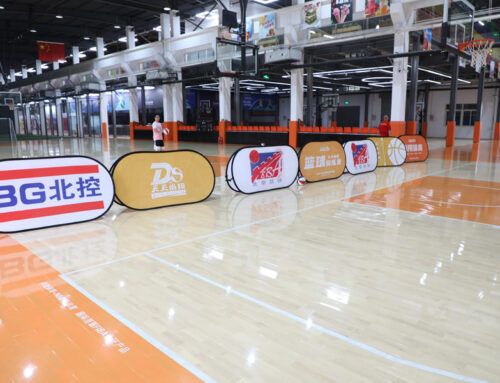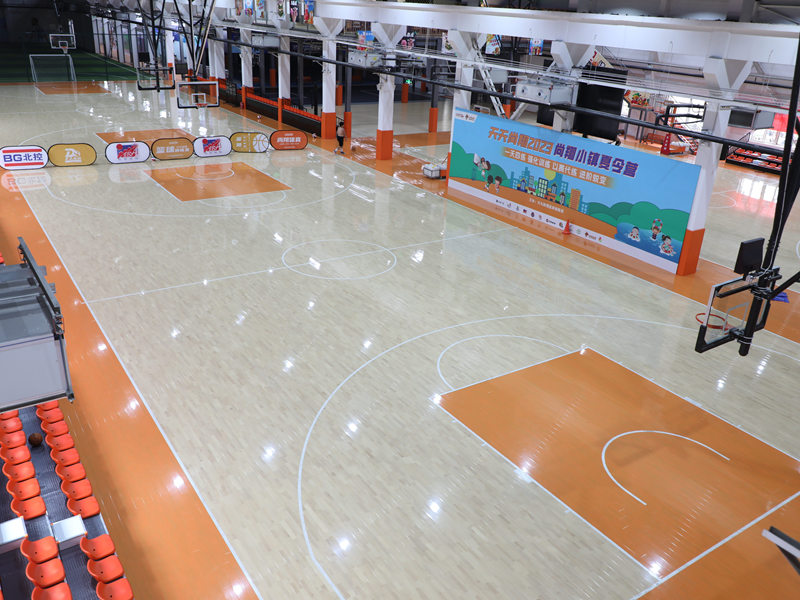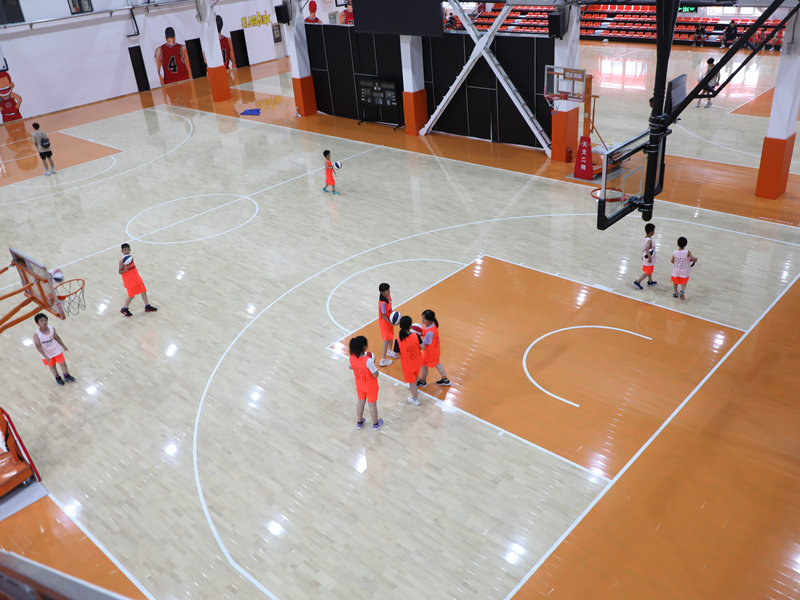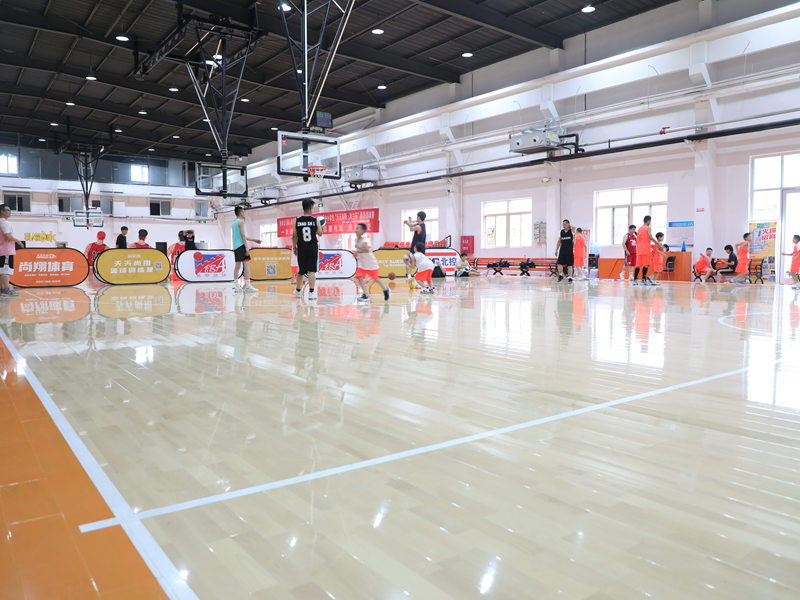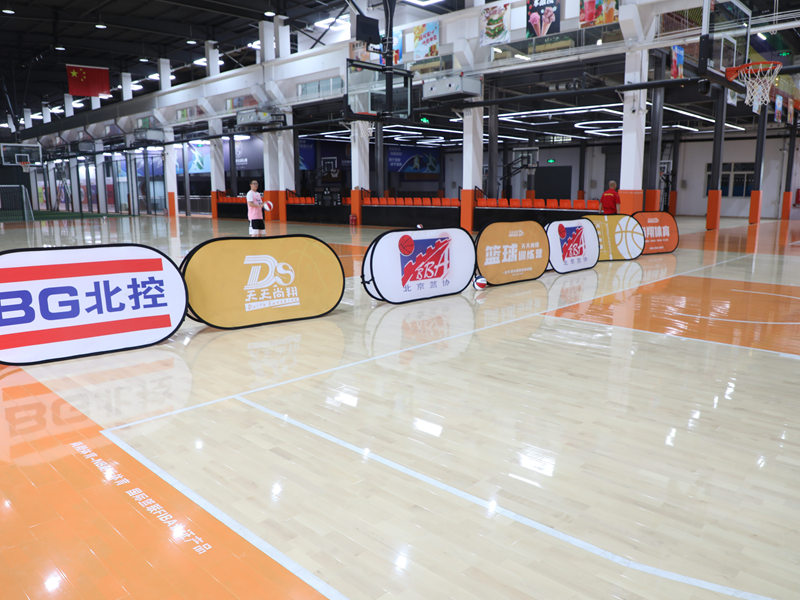
A well-planned, consistent maintenance program is the single most important factor in extending the lifespan of an indoor basketball court wood floor, protecting its performance characteristics, and preserving its visual appeal for decades of continuous use. The foundation of any good maintenance strategy is daily cleaning, which must be done with specialized microfiber mops that are designed to pick up dust, dirt, and small debris without scratching the finish surface. Even tiny particles of sand, gravel, and grit that get tracked in on players’ shoes can act like sandpaper, abrading the finish over time and creating dull spots that eventually turn into deep scratches that expose the raw wood beneath. For this reason, it is essential to place high-quality, heavy-duty entrance mats at every doorway leading into the court, to catch as much of this abrasive debris as possible before it can make its way onto the playing surface.
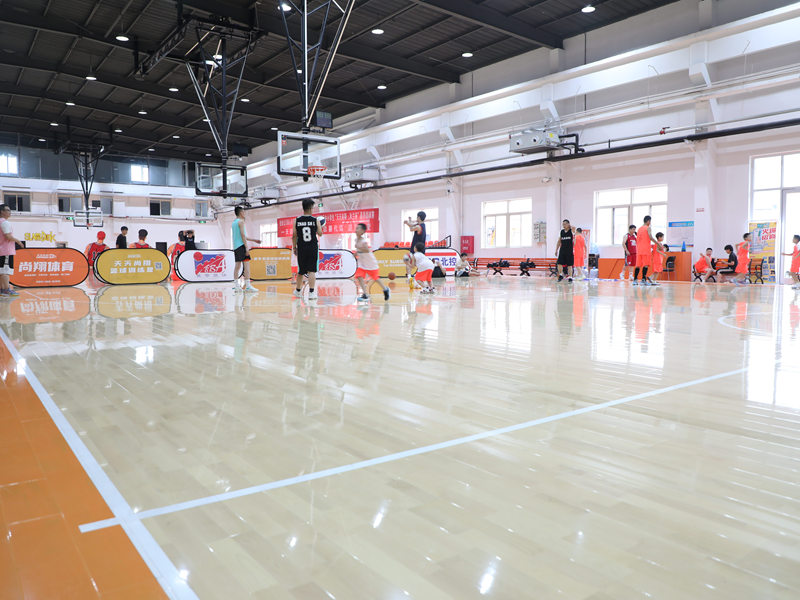
Weekly maintenance for a basketball court wood floor should include a deeper cleaning process using a pH-neutral, specially formulated athletic floor cleaner that is designed to remove built-up dirt, sweat, and residue from the surface without damaging the finish. It is critically important to never use regular household cleaning products, vinegar, bleach, or excessive amounts of water on a wood basketball court, as these can break down the finish, seep between the planks, and cause warping, cupping, or permanent water damage. The cleaning solution should be applied sparingly with a well-wrung mop, so the surface never gets saturated, and it should be wiped dry immediately to ensure no standing water remains on the wood for any length of time. This regular deep cleaning prevents the buildup of slippery residue from sweat and sports drinks, maintaining the floor’s ideal friction characteristics and preventing unnecessary player injuries.
One of the most overlooked aspects of long-term care for an indoor basketball court wood floor is proper humidity and temperature control within the facility. Wood is a naturally hygroscopic material, which means it constantly absorbs and releases moisture from the air to stay in balance with its surrounding environment. If the relative humidity in the gym stays above 65% for extended periods, the wood planks will absorb excess moisture, swell up, cup at the edges, and create uneven spots across the court. If the humidity drops below 30% for long periods, especially during the dry winter heating season, the wood will lose moisture, shrink, and create unsightly gaps between the planks that can trap dirt and debris. Installing a dedicated HVAC system that maintains a consistent relative humidity between 40% and 50% and a steady temperature between 15 and 25 degrees Celsius will eliminate almost all of these moisture-related issues, keeping the floor stable and flat year-round.
Preventive maintenance measures can dramatically reduce the need for costly repairs and extend the time between full sanding and refinishing cycles for a basketball court wood floor. All furniture, bleachers, and heavy equipment that gets moved across the court should have soft, non-marking rubber pads installed on their feet, to prevent them from denting or scratching the finish when they are repositioned. Facility managers should establish clear rules that no food, drinks (except water in sealed non-spill containers), or street shoes are allowed on the playing surface, to prevent stains, spills, and unnecessary abrasion from outdoor footwear. Regular inspections should be conducted every few months to check for loose planks, peeling finish, or signs of moisture damage, so small issues can be repaired immediately before they develop into major, expensive problems that require full floor replacement.
When minor scuffs, small scratches, or worn areas start to appear on the surface of a basketball court wood floor, a process called screening and recoating can refresh the finish without needing a full deep sanding. This process uses a fine abrasive screen to lightly scuff the existing finish, creating a rough surface that a new coat of finish can adhere to perfectly, before applying one or two new clear top coats that restore the surface’s smoothness, shine, and slip resistance. This process is far faster and more affordable than a full refinish, and it can be done in a single weekend, minimizing downtime for the facility. By following these structured maintenance strategies, a properly installed indoor basketball court wood floor can easily deliver 30 to 50 years of reliable, high-performance play, making it one of the most durable and cost-effective investments any sports facility can make.