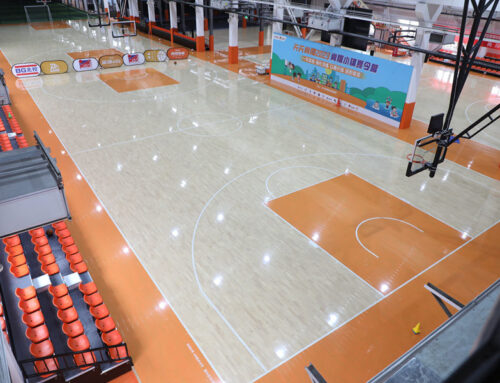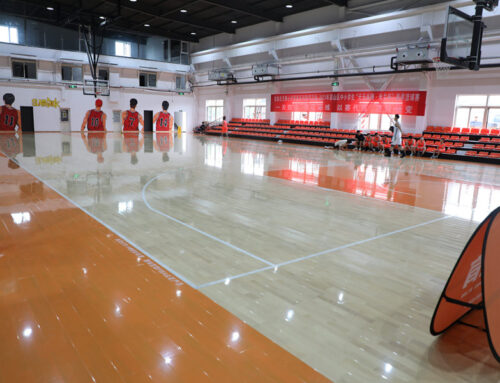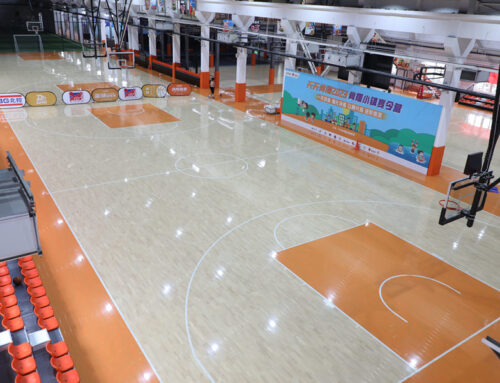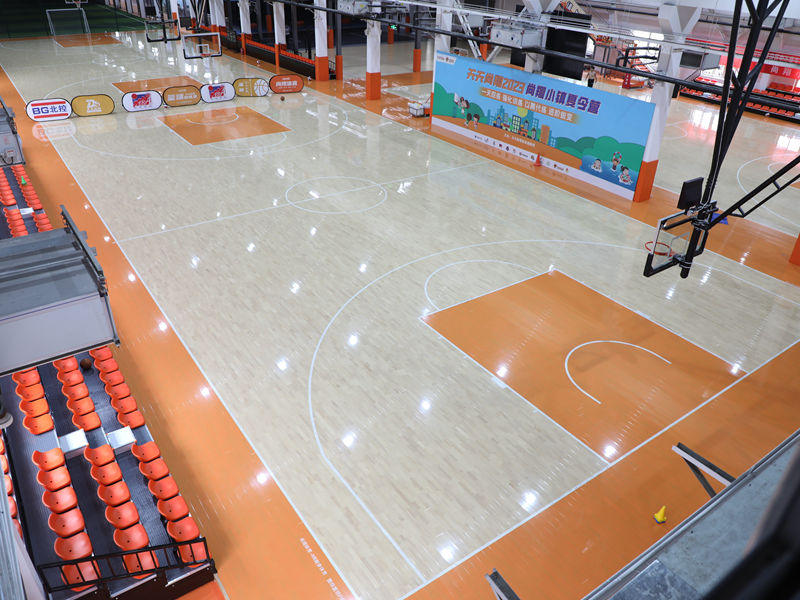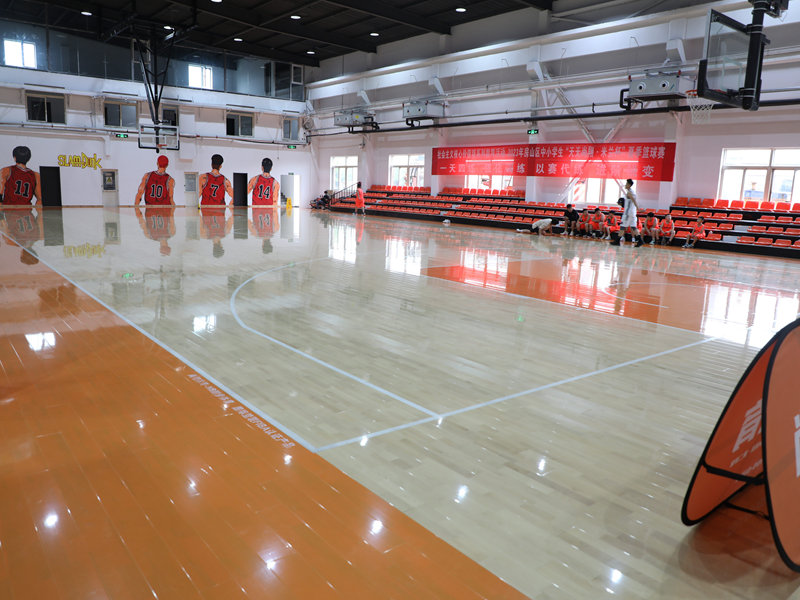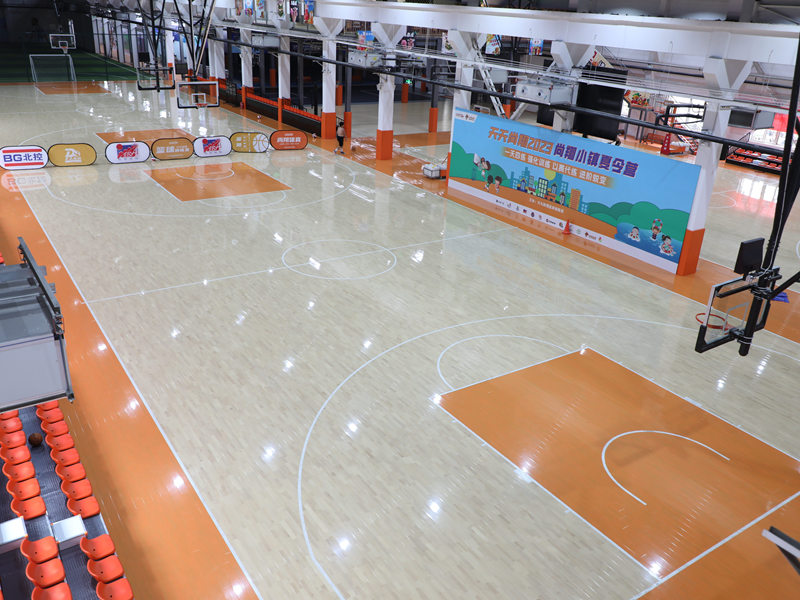
At first glance, a high-quality professional-grade basketball court wooden floor has a higher upfront installation cost than cheaper synthetic alternatives, but when you calculate the total cost of ownership over the entire lifespan of the surface, it turns out to be one of the most cost-effective investments a sports facility can make.
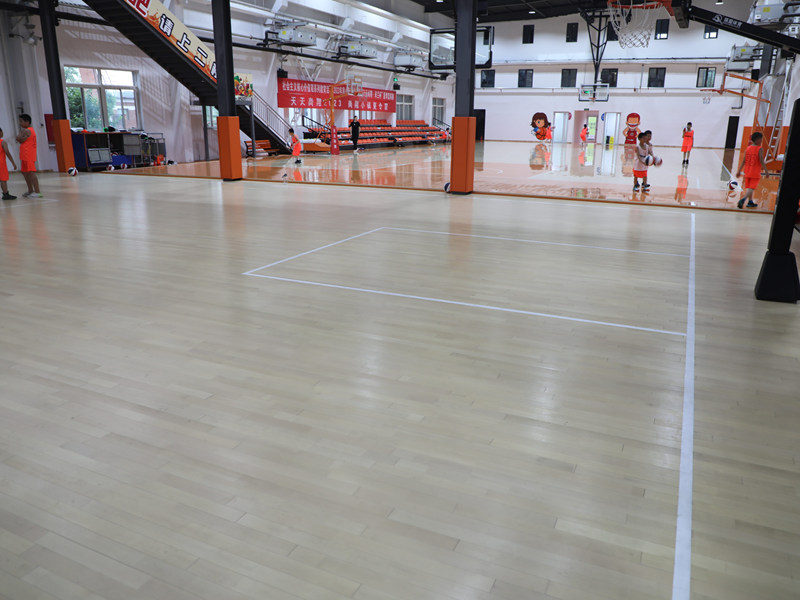
A well-built, properly maintained basketball court wooden floor can last 30 years or more, while most mid-range synthetic court surfaces need to be completely replaced after 10 to 15 years, and cheaper budget synthetic surfaces can fail in as little as 5 years. That means over a 30-year period, a facility that installs a wooden floor will only pay for the surface once, while a facility that uses synthetic flooring will have to pay for full replacement two or three times, adding up to a far higher total cost. The long-term maintenance costs of a wooden floor are also much lower than most people expect. The daily dry mopping, weekly inspections, and occasional recoating that a wooden floor requires are simple, low-cost tasks that can be done by regular facility staff, with no specialized expensive equipment required. Synthetic surfaces, on the other hand, often require specialized cleaning chemicals, and they cannot be repaired easily when they get damaged: if a section of a synthetic surface tears, bubbles, or wears out, you often have to replace the entire court, which is an extremely expensive project. The reduced injury rates that come with a high-quality basketball court wooden floor also create huge hidden cost savings for facilities. When athletes get injured on a poor-quality surface, facilities can face liability claims, and they lose the revenue that comes from hosting leagues, tournaments, and regular play sessions. A wooden floor that reduces injury risk protects the facility from these unexpected costs, and it makes the space far more popular with players, who will choose to rent your court over other facilities that have cheaper, lower-quality surfaces. Over time, this higher demand for your court space will generate extra revenue that quickly pays back the small difference in upfront cost between a wooden floor and a synthetic surface. When you add up all these factors — the 30+ year lifespan, the low maintenance costs, the reduced injury risk, and the higher player demand — a premium basketball court wooden floor is not just a performance upgrade, it is a smart financial decision that delivers huge returns for decades.