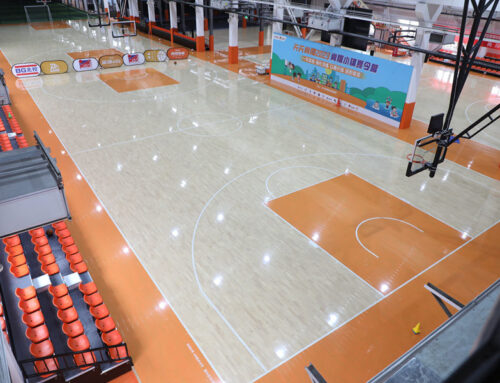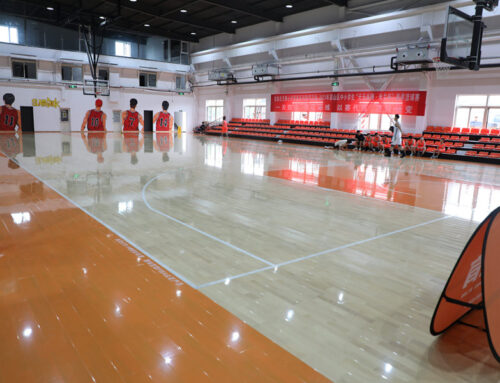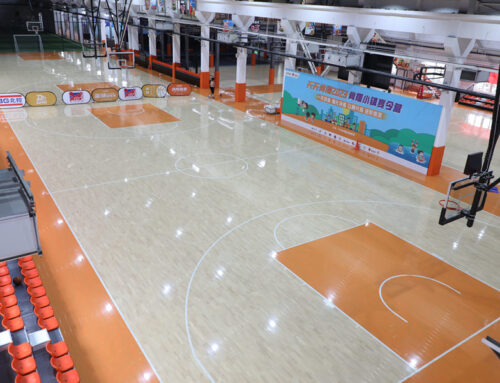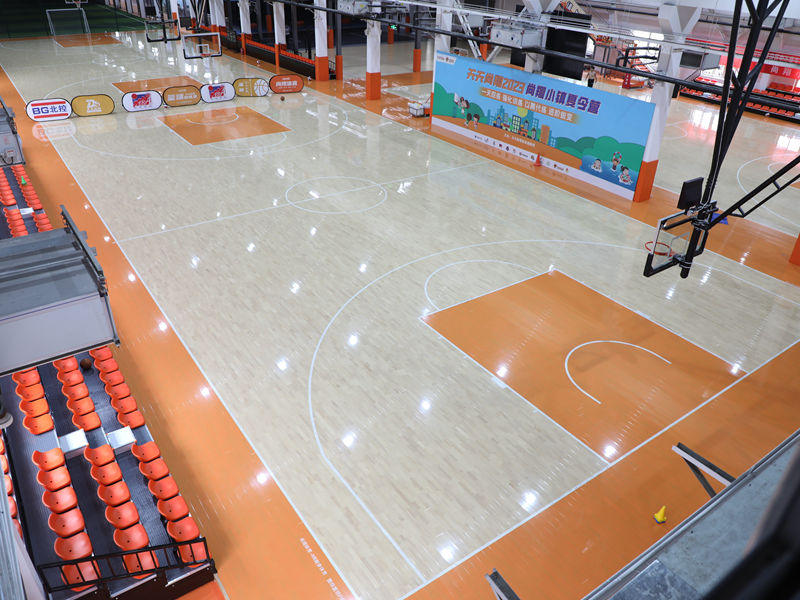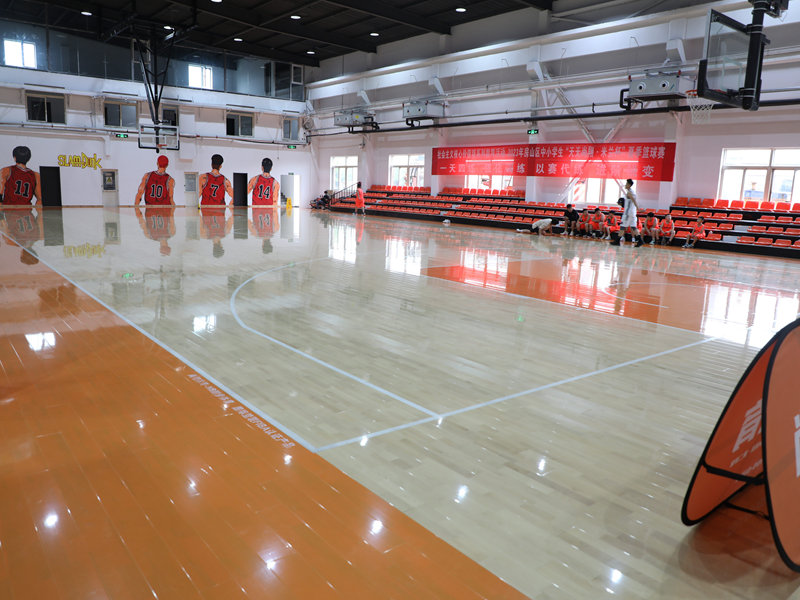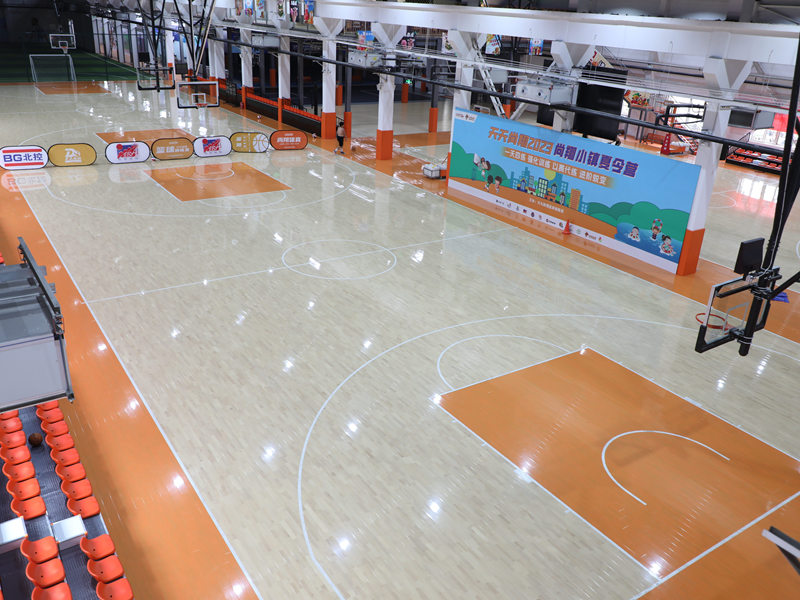
If you are managing a facility, or you are looking to rent a space for basketball play, it is important to know how to evaluate the real quality of an existing basketball court wooden floor, rather than just judging it by how good it looks at first glance. A floor that looks shiny and new on the surface could have hidden structural issues beneath the planks that make it unsafe for competitive play, while a slightly scuffed older floor could still be performing at a near-professional level.
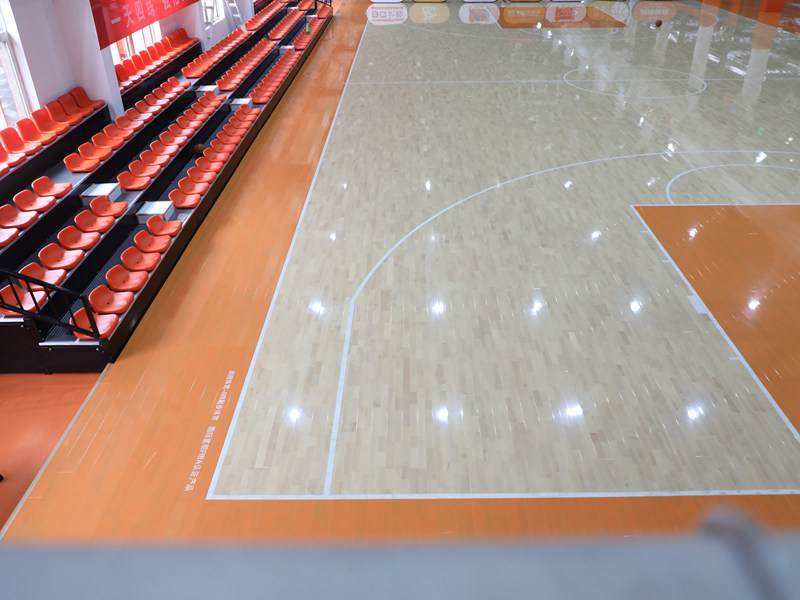
The first and easiest test you can perform is the ball bounce test: take a standard official basketball, drop it from a height of six feet, and measure how high it bounces back up. A high-quality basketball court wooden floor will return the ball to roughly two-thirds of the original drop height, and this bounce will be almost exactly the same no matter where you test it across the entire court. If the bounce varies dramatically from one spot to another, with some areas feeling dead and others feeling overly springy, that is a clear sign that the floor has inconsistent shock absorption, soft spots, or structural damage beneath the surface. Next, walk slowly across the entire court in your basketball sneakers, paying close attention to how the floor feels under your feet. You should feel a subtle, uniform give when you step down hard, no areas that feel completely rigid, and no areas that feel mushy or like they are sinking slightly when you put your weight on them. If you hear creaking or squeaking sounds as you walk, that is a sign that the fasteners are loose, or that the subfloor has shifted, and it needs to be inspected by a professional. Check the seams between the planks across the entire court: there should be no large, wide gaps between planks, no planks that are sticking up higher than their neighbors, and no signs of cupping or warping along the edges. Inspect the finish closely, checking for any areas where the finish has worn completely through, exposing bare wood beneath, and any sticky or slippery patches that could reduce traction. You can also use a simple moisture meter to check the moisture content of the wood in different spots across the court, making sure it is consistent and within the ideal range for your local climate. Finally, check the edges of the court where the wood meets the walls, making sure there is a small expansion gap that is not blocked by furniture or heavy equipment, which would prevent the floor from expanding properly when humidity levels rise. By performing these simple checks, you can quickly tell if an existing basketball court wooden floor is in good, safe condition, or if it needs repairs before it can be used for competitive play.