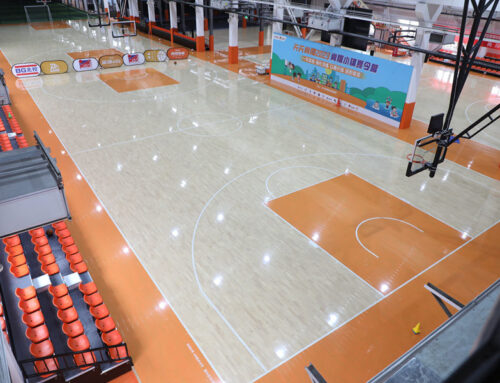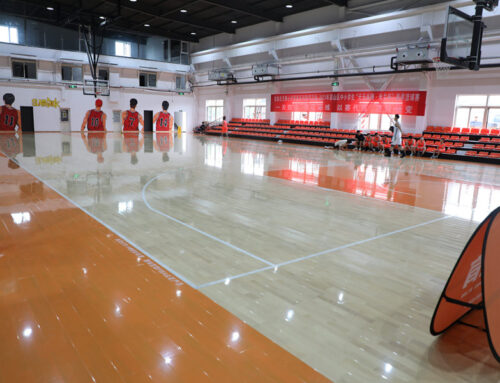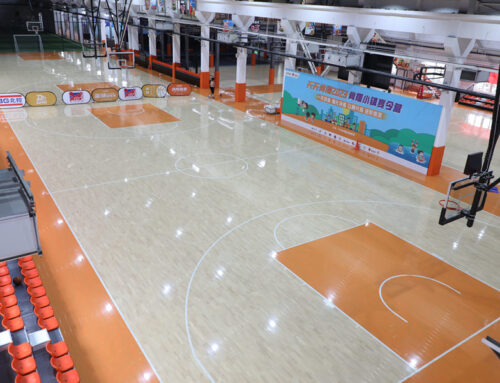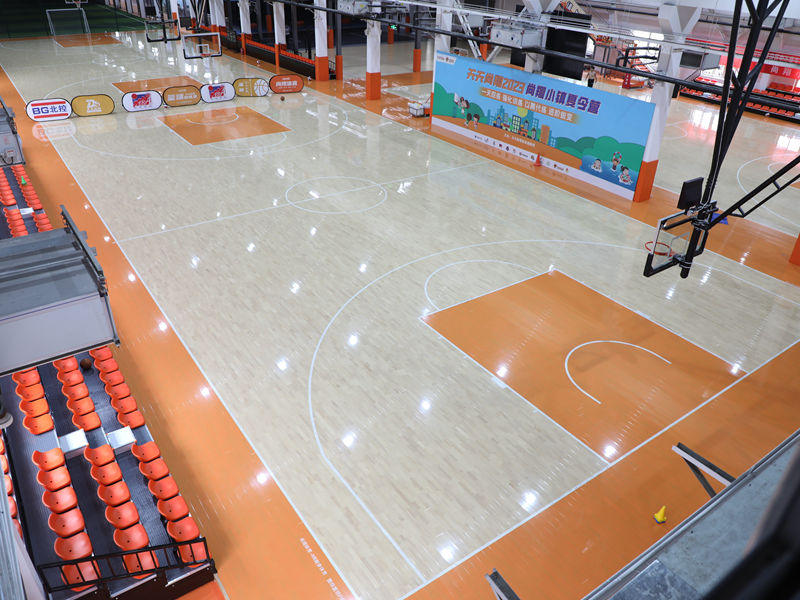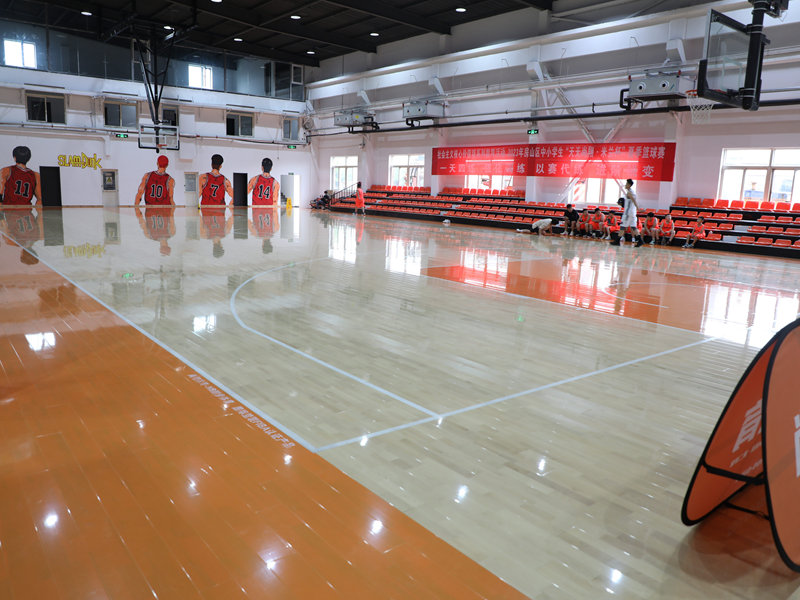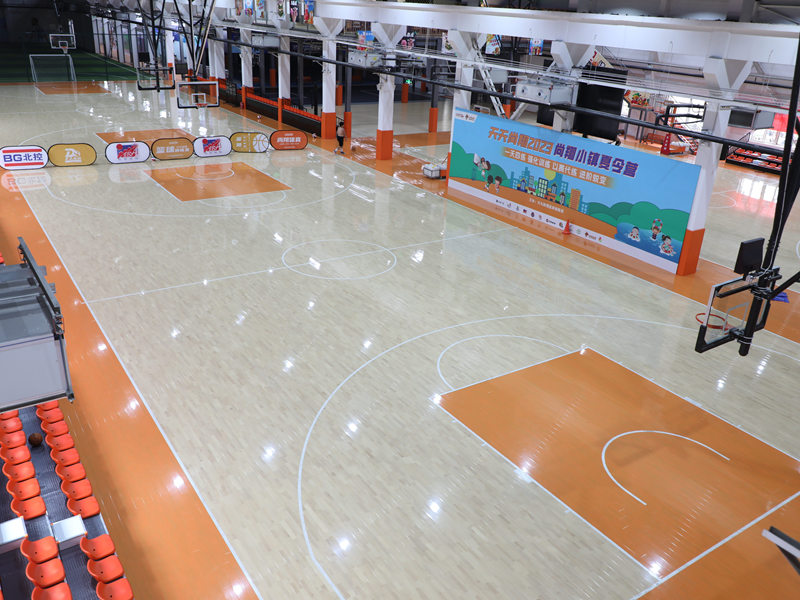
A basketball court hardwood floor is a significant investment. Depending on the size of the court and the quality of materials used, installation can cost anywhere from tens of thousands to hundreds of thousands of dollars. Given this investment, it makes sense to do everything possible to protect it and extend its lifespan. The good news is that with proper maintenance, a hardwood basketball court can last 30, 50 years or even longer.
But proper maintenance requires knowledge. Many facility owners make common mistakes that accelerate wear and damage their floors. In this article, we will cover everything you need to know about maintaining your basketball court hardwood floor, from daily cleaning to long-term care.
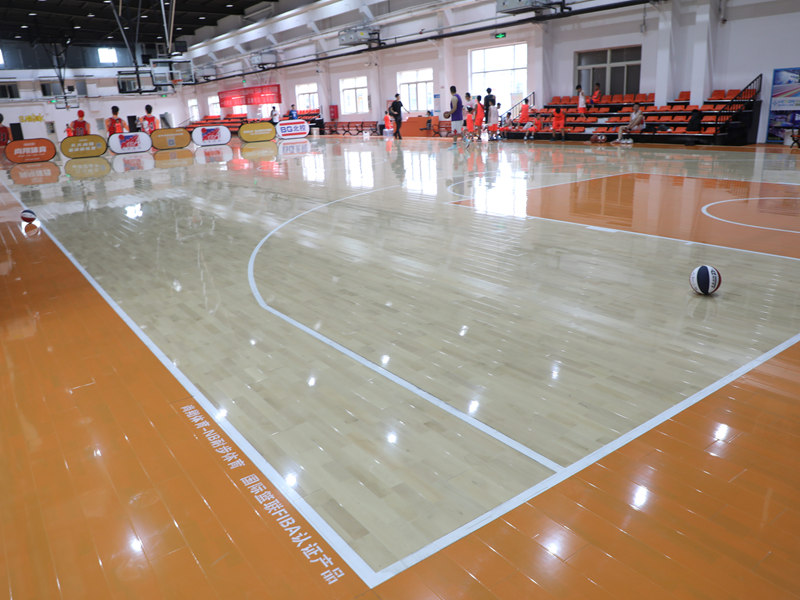
Daily Cleaning: The Foundation of Floor Care
The most important maintenance task is daily cleaning. Every time the court is used, dirt, dust, and moisture are introduced to the surface. If these are not removed promptly, they can cause damage.
Sweeping or vacuuming should be done after every use. A microfiber dust mop is ideal for this task, as it picks up fine particles without scratching the surface. Avoid using a broom with stiff bristles, as these can scratch the finish over time.
For deeper cleaning, a damp mop can be used, but the mop must be only slightly damp — never wet. Excess water is the number one enemy of hardwood flooring. Water can seep into the seams between planks, causing the wood to swell, warp, and eventually separate. Always wring out the mop thoroughly before using it on the court.
Never use harsh chemical cleaners on a basketball court floor. Products containing ammonia, bleach, or acidic compounds can strip the finish and damage the wood. Stick to cleaners specifically designed for hardwood floors, or use a mild solution of water and a few drops of pH-neutral soap.
Sweeping In vs. Sweeping Out: A Critical Distinction
One of the most overlooked aspects of basketball court maintenance is the direction of sweeping. The standard practice in professional facilities is to sweep in the direction of play. This means that as players move up and down the court, the broom or mop pushes dirt toward the sidelines rather than across the playing surface.
Sweeping against the direction of play pushes dirt and debris into the seams between planks, where it can accumulate and cause damage. It also creates an uneven surface that affects ball bounce. Always sweep from one baseline toward the opposite baseline, not from sideline to sideline.
Controlling Moisture and Humidity
As mentioned earlier, moisture is the greatest threat to hardwood flooring. In addition to cleaning practices, you must control the environmental conditions in the gymnasium.
The ideal relative humidity for a basketball court is between 35% and 50%. If the humidity is too high, the wood will absorb moisture and expand. If it is too low, the wood will dry out and shrink, leading to gaps between planks.
Air conditioning and dehumidification systems should be used to maintain consistent humidity levels. In humid climates, this may require running dehumidifiers year-round. In dry climates, humidifiers may be needed during the winter months when indoor heating dries out the air.
Temperature should also be controlled. The ideal range is between 18 and 24 degrees Celsius (65 to 75 degrees Fahrenheit). Extreme temperature fluctuations can cause the wood to expand and contract rapidly, leading to cracking and splitting.
Regular Inspections
A thorough inspection of the floor should be conducted at least once a month. Look for signs of wear, scratches, water damage, or loose planks. Early detection of problems allows for quick repairs before they become major issues.
Pay special attention to the areas near the baskets, under the hoops, and along the sidelines, as these are the highest-traffic areas and the most prone to damage. Also check the expansion gaps around the perimeter to ensure they have not become clogged with debris, which can prevent the wood from expanding properly.
Refinishing: When and How
Over time, the finish on the floor will wear down. This is normal and expected. The key is to refinish before the wear becomes severe damage the wood itself.
Most basketball court floors need to be refinished every 5 to 10 years, depending on the level of use. Refinishing involves sanding down the top layer of the finish (and a small amount of wood) and applying new coats of finish.
Refinishing should be done by professionals who have experience with sports floors. The process requires large industrial sanding equipment and precise knowledge of how much material to remove. Remove too little, and the new finish will not adhere properly. Remove too much, and you shorten the life of the floor.
Preventive Measures
There are several preventive measures you can take to reduce wear and extend the life of your floor:
Require all players to wear clean, non-marking indoor court shoes. Shoes with dirt, gravel, or hard outsoles can scratch and damage the finish.
Place mats at all entrances to the court to trap dirt and moisture from shoes.
Move heavy equipment (such as bleachers or scorer’s tables) using protective pads to prevent gouging the floor.
Cover the floor when it is not in use to protect it from dust and accidental spills.
Conclusion
Maintaining a basketball court hardwood floor is not difficult, but it does require consistency and attention to detail. Daily cleaning, moisture control, regular inspections, and timely refinishing are the four pillars of floor care. Follow these practices, and your hardwood court will continue to perform at its best for decades. Neglect them, and you will be facing expensive repairs or premature replacement far sooner than necessary.