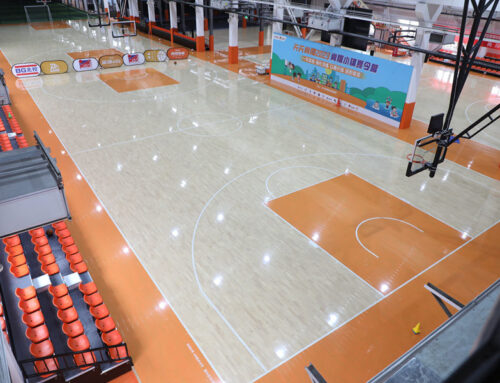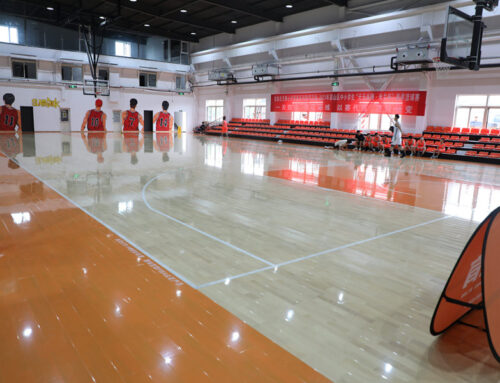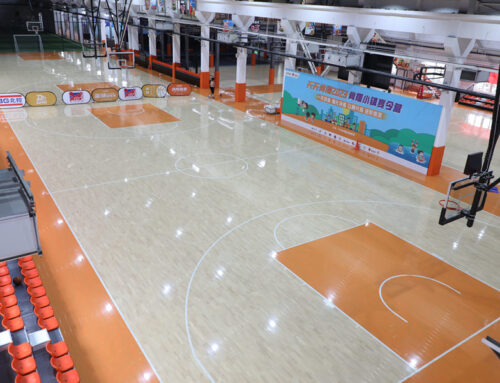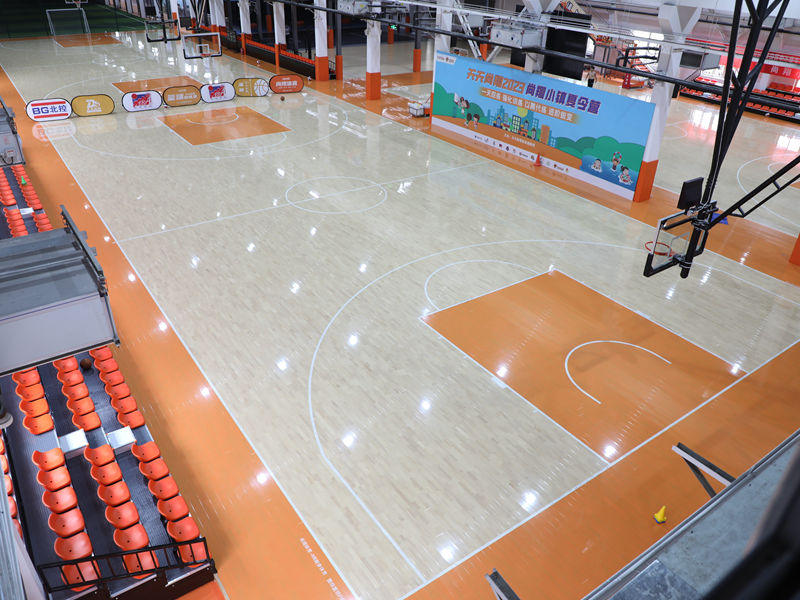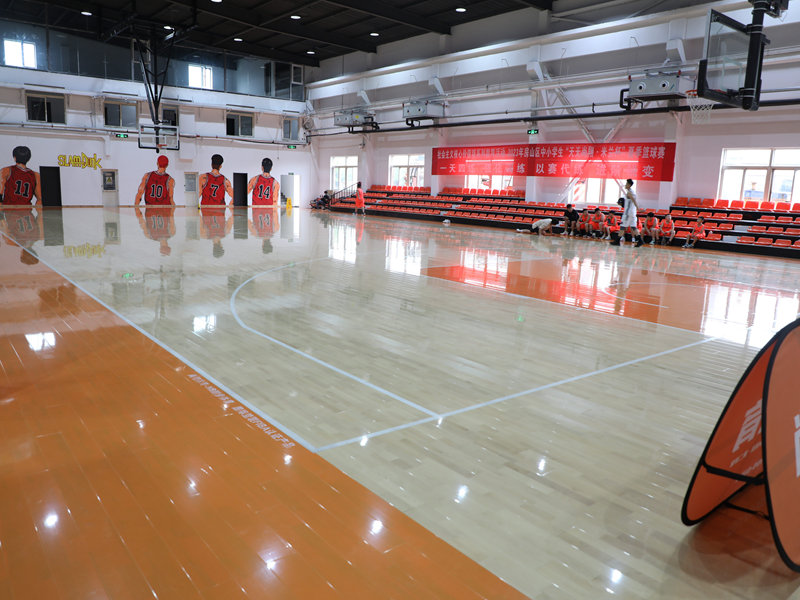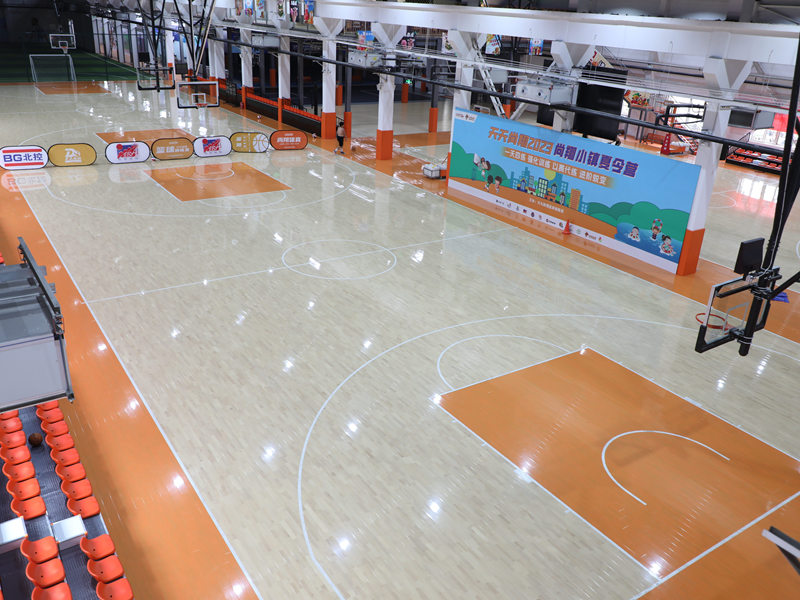
When you step onto a professional basketball court, the first thing you notice is the floor. The way the ball bounces, the sound of sneakers squeaking, the way light reflects off the surface — all of these sensory experiences come from one source: the hardwood flooring. Despite the rise of synthetic alternatives, engineered wood, and polymer-based surfaces, real hardwood flooring remains the undisputed gold standard for basketball courts around the world. But why is that? What makes hardwood so irreplaceable in the world of competitive basketball?
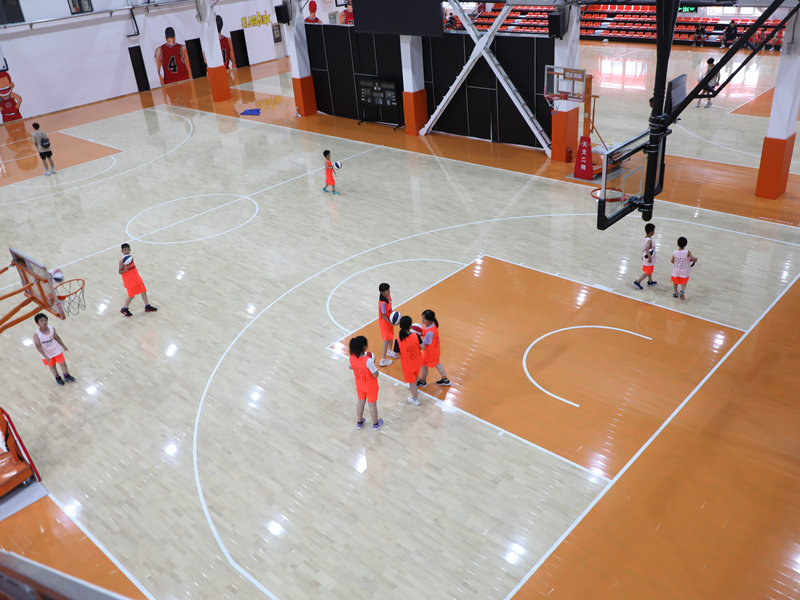
The answer lies in a combination of physics, tradition, performance, and aesthetics. Let us explore each of these dimensions in detail.
The Physics of Ball Bounce
One of the most critical requirements for any basketball court surface is its ability to provide a consistent and predictable ball bounce. Players at every level — from high school gymnasiums to professional arenas — rely on their muscle memory to dribble, pass, and shoot. If the ball behaves differently from one area of the court to another, it disrupts the entire game.
Hardwood flooring, particularly when constructed with a solid maple subfloor and properly finished, delivers a ball bounce that is remarkably consistent across the entire playing surface. The density of the wood, combined with the elastic properties of the underlying structure, allows the ball to return energy efficiently. According to international basketball federation standards, a ball dropped from a height of 1.8 meters should bounce back to a height between 1.2 and 1.4 meters. Hardwood floors consistently meet and often exceed this requirement.
Synthetic floors, by contrast, tend to have a slightly different energy return profile. While modern synthetic surfaces have come a long way, many players and coaches still report that the ball feels “dead” or “too lively” on non-wood surfaces. This subtle difference can affect shooting accuracy and dribbling control, especially at the professional level where margins are razor-thin.
Traction and Player Safety
Another reason hardwood reigns supreme is its traction characteristics. Basketball is a sport of constant acceleration, deceleration, and lateral movement. Players need a surface that grips their shoes enough to allow quick cuts and sharp turns, but not so much that it causes knee or ankle injuries.
Hardwood provides an optimal balance. The surface has a natural texture that, when combined with a proper finish (usually a matte or semi-gloss polyurethane), gives players exactly the right amount of grip. Too much traction leads to joint stress; too little leads to slipping. Hardwood sits in the sweet spot.
Moreover, hardwood floors can be sanded and refinished multiple times over their lifespan. This means that as the surface wears down, it can be restored to its original performance level — something that synthetic floors cannot do. When a synthetic floor degrades, it must be replaced entirely, which is both expensive and wasteful.
The Aesthetic and Psychological Factor
Let us not underestimate the power of aesthetics. There is a reason why every major basketball arena in the world uses hardwood. The warm tones of maple wood, the clean lines of the court markings, the way the floor gleams under arena lighting — all of this creates an atmosphere that is unmistakably basketball.
Players perform better in environments that feel professional and inspiring. A hardwood court communicates seriousness, tradition, and excellence. It tells players: “This is where the game is played at its highest level.” This psychological boost is real and measurable.
Television audiences also respond to hardwood. The visual appeal of a polished wood court enhances the viewing experience, making the game look faster, more dynamic, and more exciting. This is why even recreational leagues and community centers prefer hardwood over alternatives whenever budget allows.
Durability and Longevity
A well-maintained hardwood basketball court can last 30 to 50 years or more. With regular refinishing every 5 to 10 years, the floor can be kept in playing condition for decades. Compare this to synthetic floors, which typically last 8 to 15 years before needing full replacement.
The long-term cost of hardwood is actually lower than many people assume. While the initial installation cost is higher, the ability to refinish rather than replace makes hardwood a more economical choice over the lifespan of the facility.
Conclusion
Hardwood flooring is not just a tradition — it is a performance requirement. The physics of ball bounce, the traction for player safety, the aesthetic appeal, and the long-term durability all combine to make hardwood the only real choice for serious basketball. As long as the game is played, hardwood will be the surface beneath the players’ feet. It is, and will remain, the gold standard.