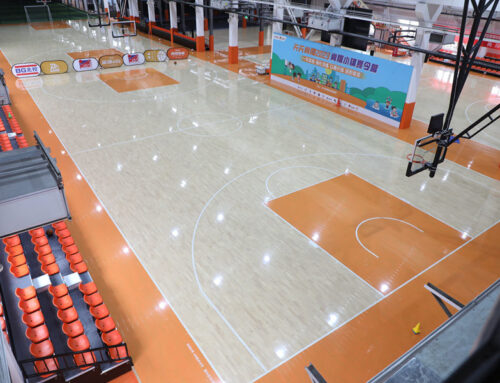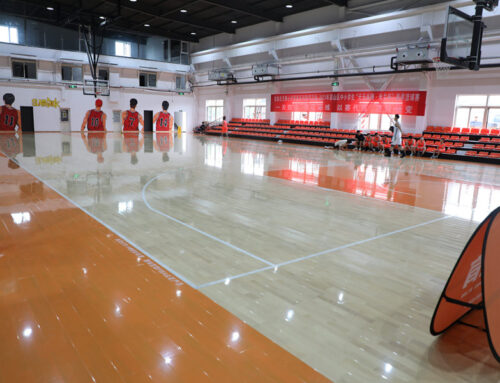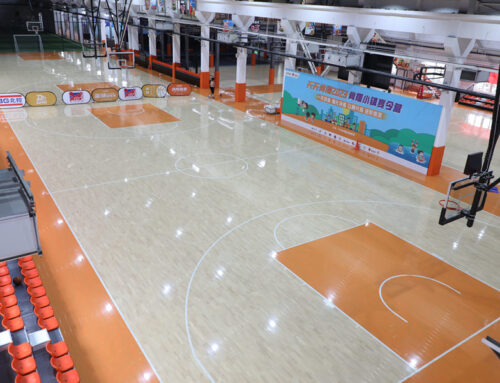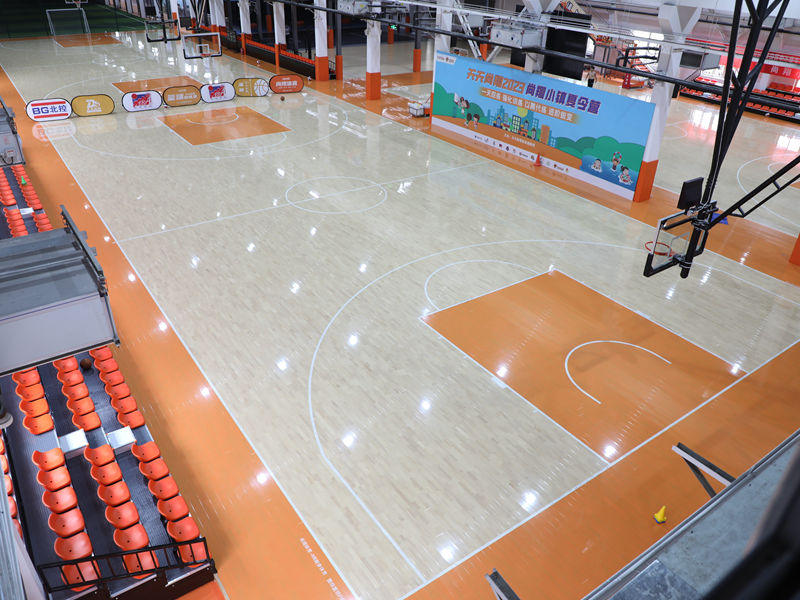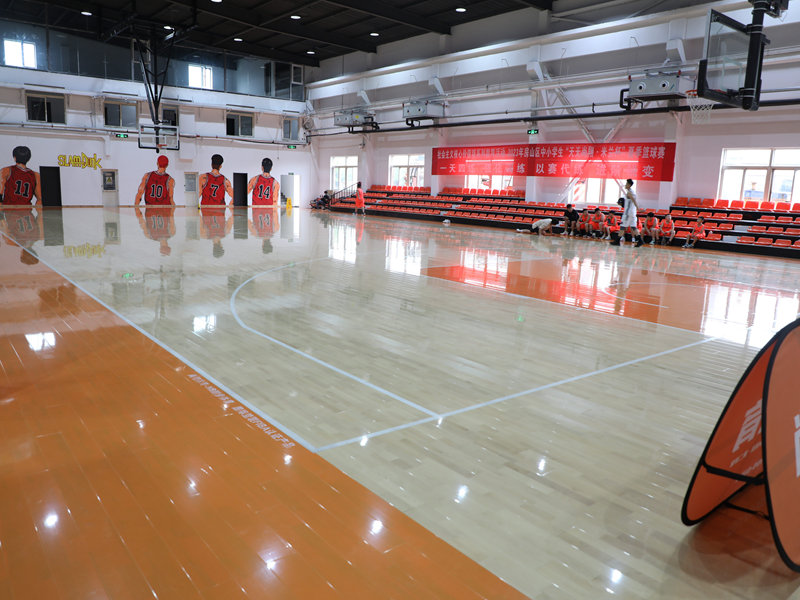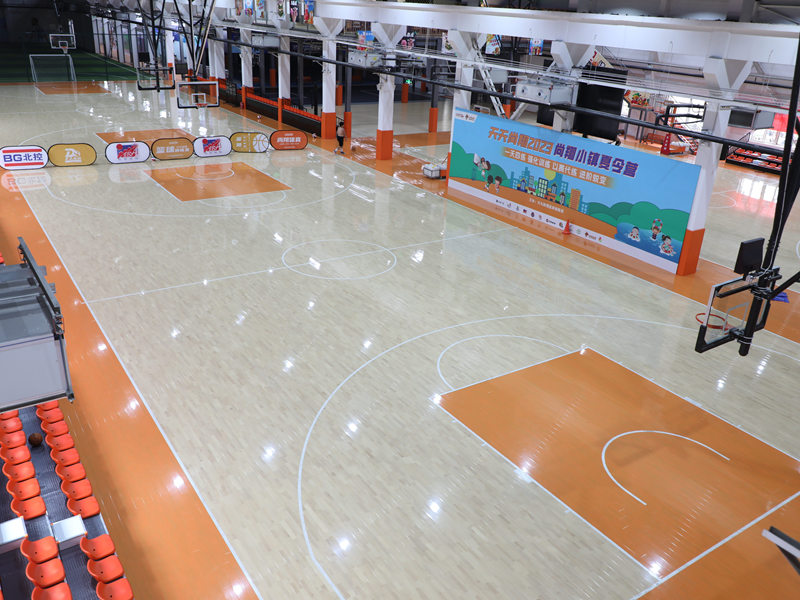
Choosing the right indoor sports wooden floor for your facility is a decision that will affect the performance, safety, and enjoyment of every athlete who uses the court. With so many options available — different wood species, construction methods, finishes, and price points — it can be overwhelming to know where to start. In this article, we will provide a step-by-step guide to help you choose the right indoor sports wooden floor for your facility, based on your specific needs, budget, and goals.
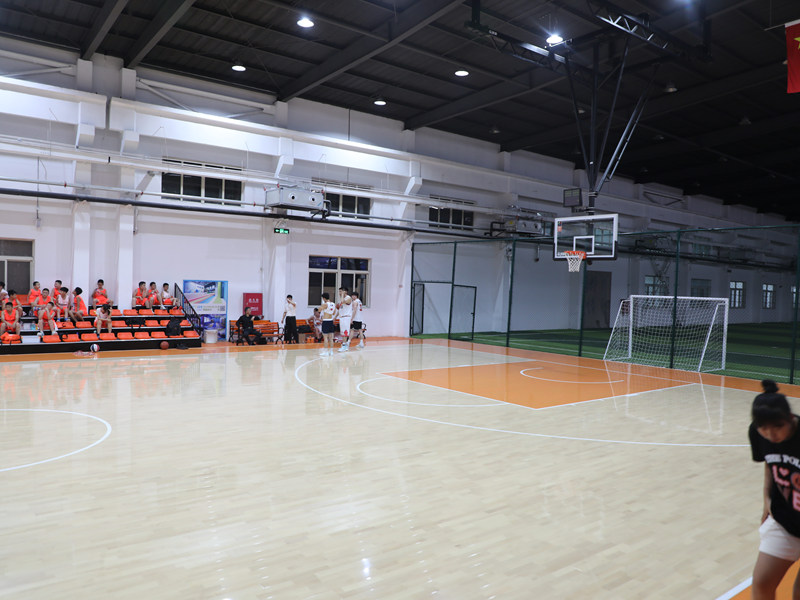
Step 1: Identify the Primary Sport
The first step is to identify the primary sport that will be played on the floor. Different sports have different requirements for ball response, traction, shock absorption, and durability.
If the primary sport is basketball, you need a floor that meets the specifications of the governing body (NBA, NCAA, FIBA, etc.). This means hard maple wood, specific plank dimensions, and a finish with a precise gloss level.
If the primary sport is volleyball, you need a floor with excellent traction and consistent ball response. Hard maple or beech is the best choice.
If the primary sport is badminton, you need a thinner floor with a matte finish for maximum traction.
If the facility is multi-sport, you need a floor that can accommodate the requirements of multiple sports. In this case, it is best to design the that are making wooden floors better, more sustainable, and more versatile than ever before. In this article, we will explore the latest trends and innovations in indoor sports wooden flooring and discuss what the future holds for this essential component of athletic facilities.
Engineered Wood Products: Better Performance
One of the most exciting trends in indoor sports wooden flooring is the development of engineered wood products that offer improved performance characteristics. These products combine the natural beauty of wood with the enhanced properties of modern materials.
Cross-laminated timber (CLT) is one example. CLT is made by layering planks of wood at right angles to each other and bonding them with adhesive. This creates a material that is extremely strong, stable, and resistant to warping. CLT is being used in the subfloor systems of some indoor sports facilities, providing a more stable foundation for the playing surface.
Another innovation is thermally modified wood. This process involves heating the wood to extremely high temperatures (around 200 degrees Celsius) in a controlled environment, which changes the chemical structure of the wood and makes it more resistant to moisture, rot, and insect damage. Thermally modified hard maple is an excellent choice for indoor sports floors in humid climates.
Smart Flooring Technology
Smart technology is making its way into indoor sports wooden flooring, providing real-time data on the condition of the floor. Moisture sensors embedded in the subfloor can alert facility managers to potential problems before they become visible. Temperature sensors can monitor the climate conditions and automatically adjust the HVAC system.
Some manufacturers are also developing flooring systems with embedded sensors that measure the ball bounce, traction, and shock absorption of the floor in real over a variety of subfloor types.
The Future Is Bright
The future of indoor sports wooden flooring is bright. New technologies and materials are making wooden floors better, more sustainable, and more versatile than ever before. From smart sensors to nano-coatings, from reclaimed wood to modular systems, the options available to facility managers and architects are expanding rapidly.
One thing is certain: wood will remain the gold standard for indoor sports flooring for the foreseeable future. No synthetic material can match the performance, durability, and beauty of a quality wooden floor. As the industry continues to innovate, wooden floors will only get better.
In conclusion, the future of indoor sports wooden flooring is full of exciting possibilities. By staying informed about the latest trends and innovations, you can make the best choices for your facility and provide your athletes with the finest playing surface available.