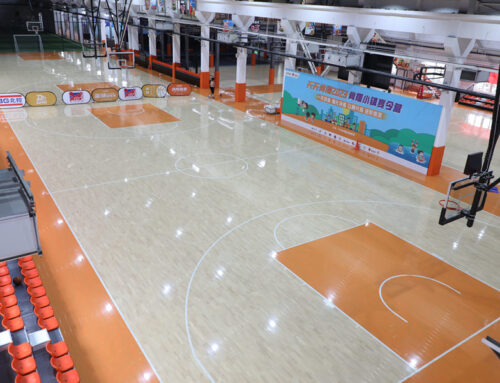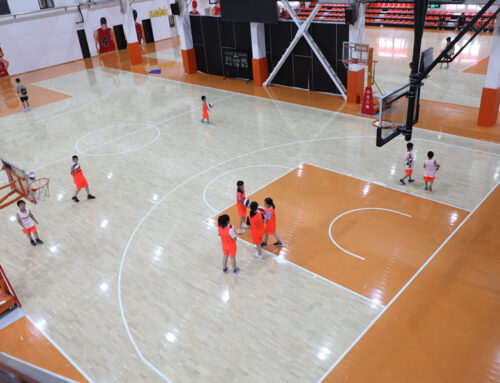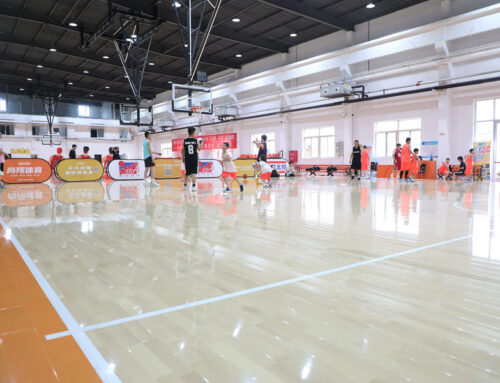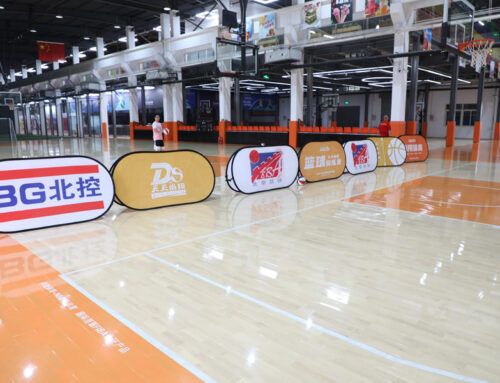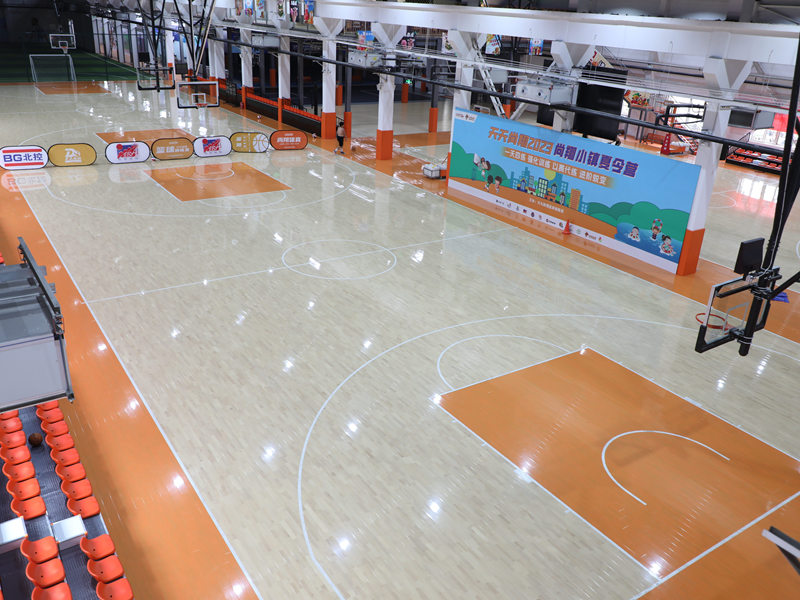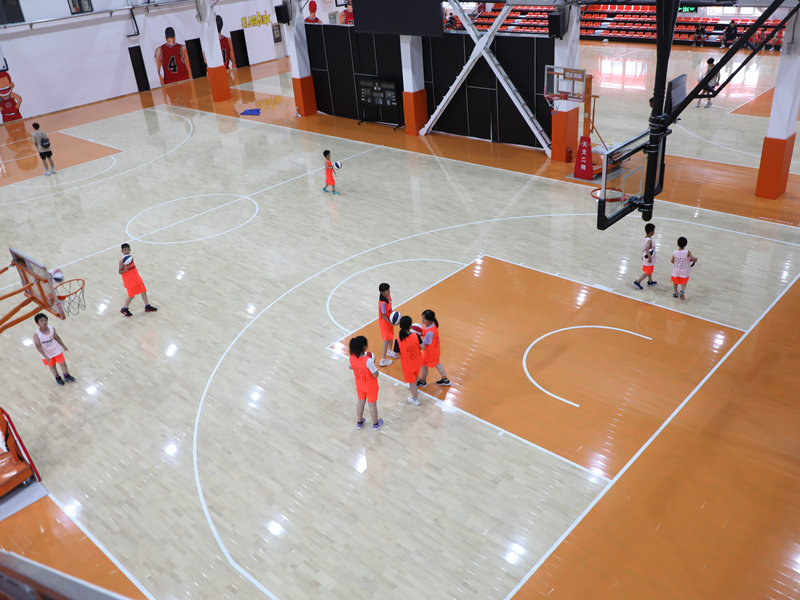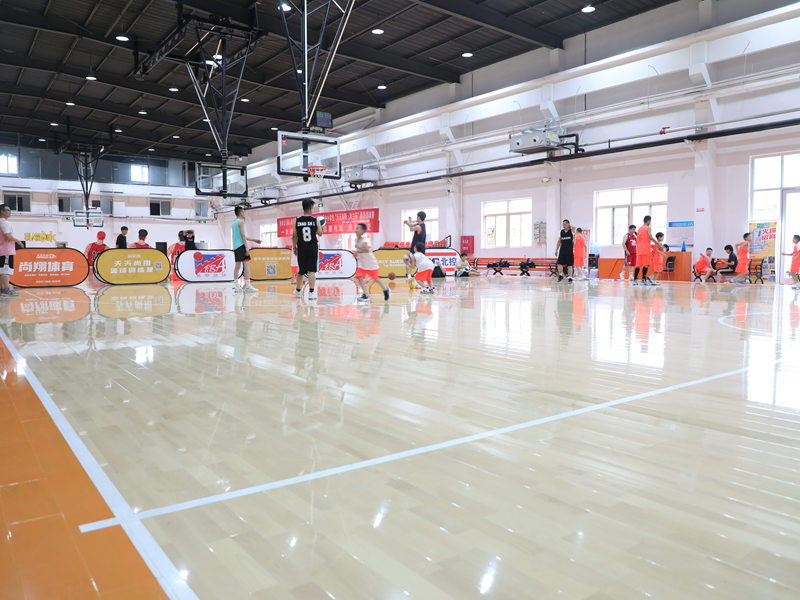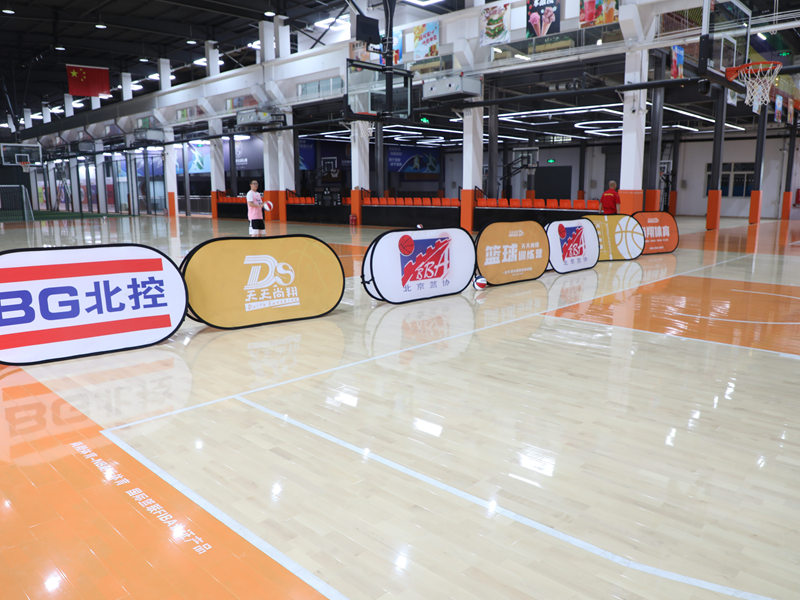
Sports injuries are a major concern for athletes, coaches, and facility managers. According to research, a significant percentage of sports injuries are related to the playing surface, particularly the impact forces that are transmitted through the floor to the athlete’s body. Indoor sports wooden flooring has been shown to significantly reduce the incidence of common sports injuries. In this article, we will explore how wooden flooring protects athletes and keeps them healthy.
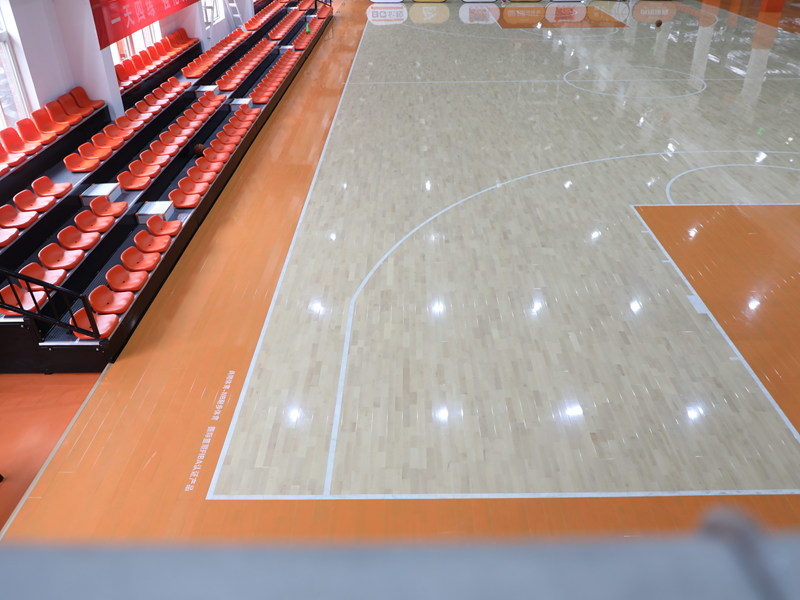
The most common types of injuries in indoor sports are joint injuries, particularly in the knees, ankles, and shins. These injuries are often caused by repetitive impact forces that accumulate over time. When an athlete jumps and lands on a hard surface like concrete, the full force of the impact is transmitted through the leg and into the joint. Over time, this repetitive stress can lead to conditions such as patellar tendinitis, shin splints, and stress fractures.
Wooden sports flooring reduces these impact forces through its shock absorption system. A properly installed wooden floor with a shock absorption rating of 53 percent or higher absorbs more than half of the impact force, significantly reducing the stress on the joints. Studies have shown that athletes playing on wooden floors experience up to 30 percent fewer joint injuries compared to those playing on hard surfaces.
Ankle injuries are another common problem in indoor sports, particularly in sports that involve quick direction changes, such as basketball and badminton. Ankle sprains occur when the foot rolls inward or outward, stretching or tearing the ligaments. The traction provided by wooden flooring plays a crucial role in preventing these injuries. A floor with the right level of grip allows the foot to push off firmly without slipping, reducing the risk of the foot rolling unexpectedly.
Knee injuries, particularly anterior cruciate ligament (ACL) tears, are among the most serious and costly injuries in sports. While no floor can completely eliminate the risk of an ACL tear, wooden flooring can reduce it. The consistent traction and shock absorption of a wooden floor allow athletes to make quick cuts and landings with more control, reducing the forces that can cause the knee to buckle or twist.
Shin splints, or medial tibial stress syndrome, are a common overuse injury in runners and jumpers. They are caused by repetitive impact forces on the shinbone. The shock absorption of a wooden floor reduces these forces, making shin splints less likely to occur.
Stress fractures are small cracks in the bone that are caused by repetitive stress. They are most common in the feet, shins, and hips. The shock absorption of a wooden floor reduces the cumulative stress on the bones, lowering the risk of stress fractures.
In addition to physical injuries, wooden flooring can also help prevent mental fatigue and burnout. A comfortable, well-performing floor reduces the physical strain on the body, which in turn reduces mental fatigue. Athletes who are physically comfortable are more mentally sharp and less prone to the errors that can lead to injuries.
The role of floor maintenance in injury prevention should not be overlooked. A well-maintained wooden floor performs consistently, while a neglected floor can become uneven, slippery, or worn, increasing the risk of injury. Regular recoating, sanding, and inspection are essential for maintaining the floor’s protective qualities.
Footwear also plays a role in injury prevention on wooden floors. Athletes should wear appropriate non-marking, flat-soled shoes that are designed for the specific sport. Shoes with good ankle support and cushioning complement the shock absorption of the floor, providing an extra layer of protection.
In conclusion, indoor sports wooden flooring is one of the most effective tools for preventing sports injuries. Through superior shock absorption, optimal traction, consistent performance, and proper maintenance, a wooden floor can significantly reduce the risk of joint injuries, ankle sprains, knee injuries, shin splints, stress fractures, and other common problems. For any facility that is committed to the health and safety of its athletes, a wooden sports floor is not a luxury, it is a necessity.