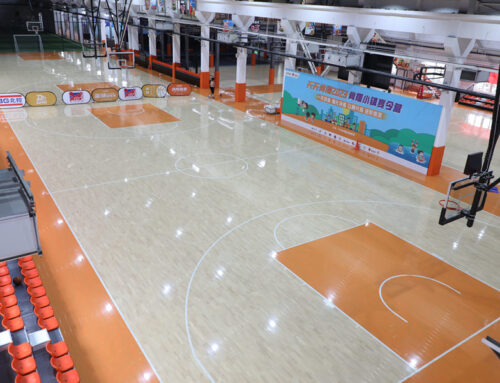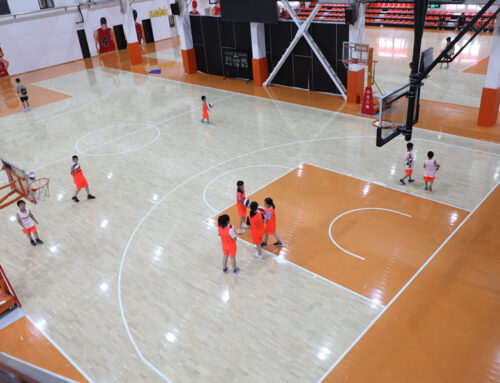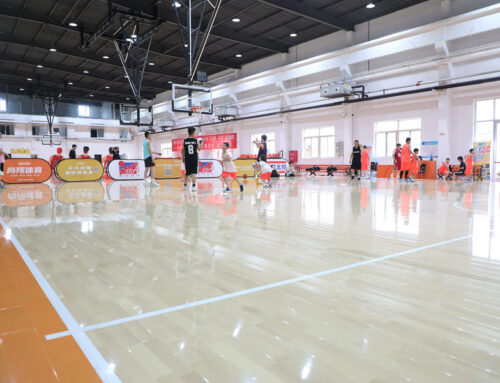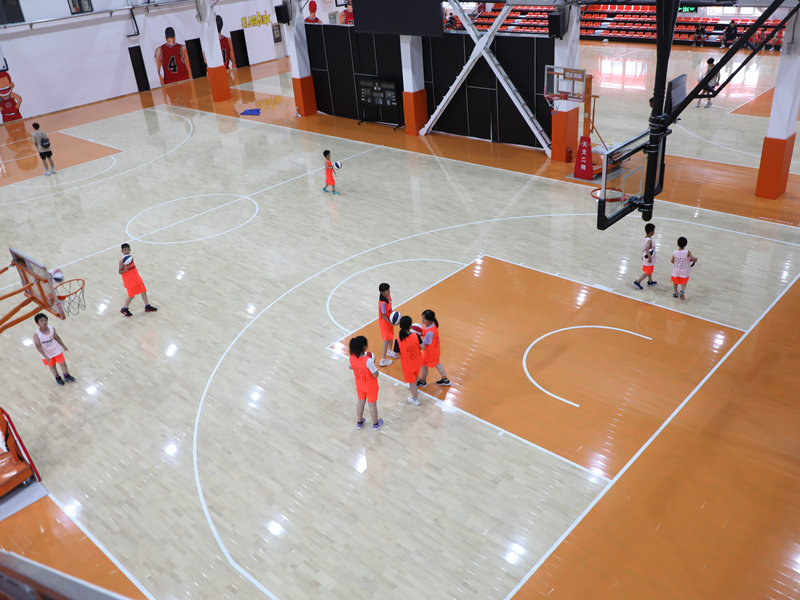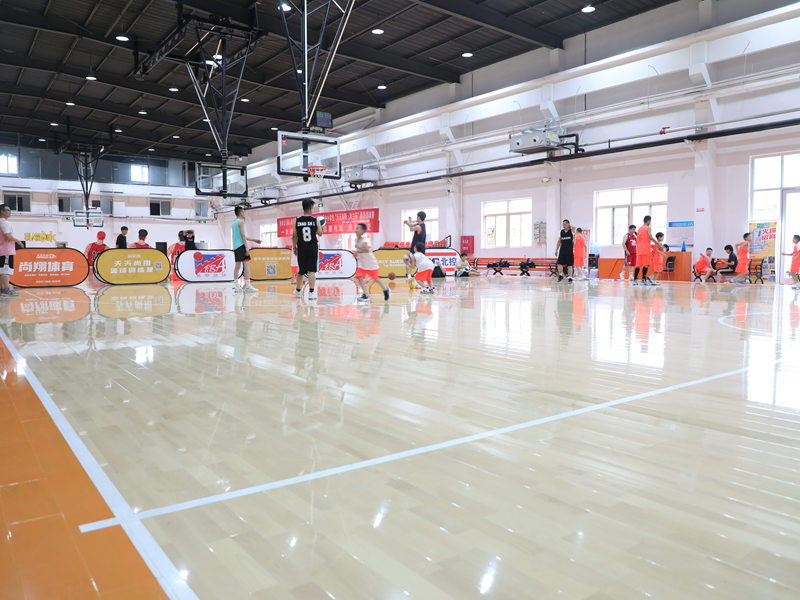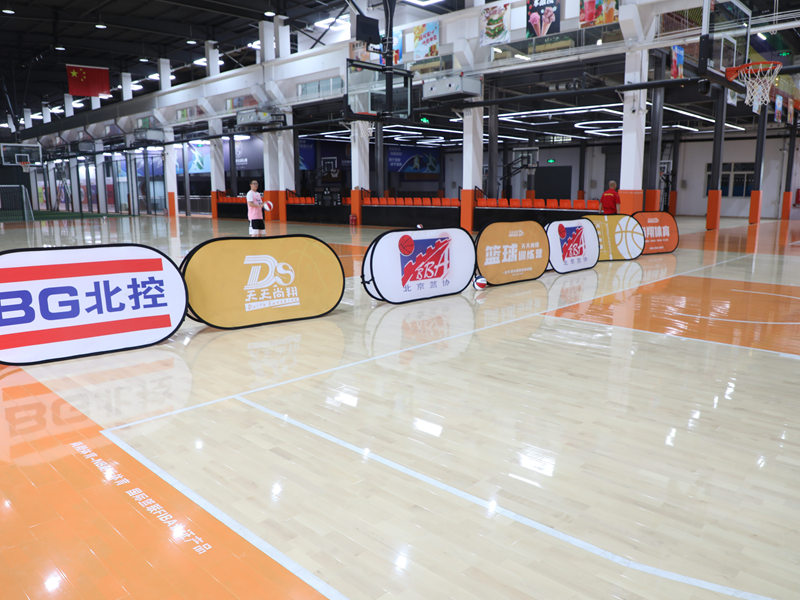
Noise is an often-overlooked but critically important factor in the design of an indoor basketball court. The sound of sneakers squeaking, balls bouncing, players shouting, and bleachers creaking can create an environment that is either energizing or overwhelming, depending on how well the acoustics are managed. The flooring system plays a central role in noise control, and understanding this role can help you create a better experience for players and spectators.
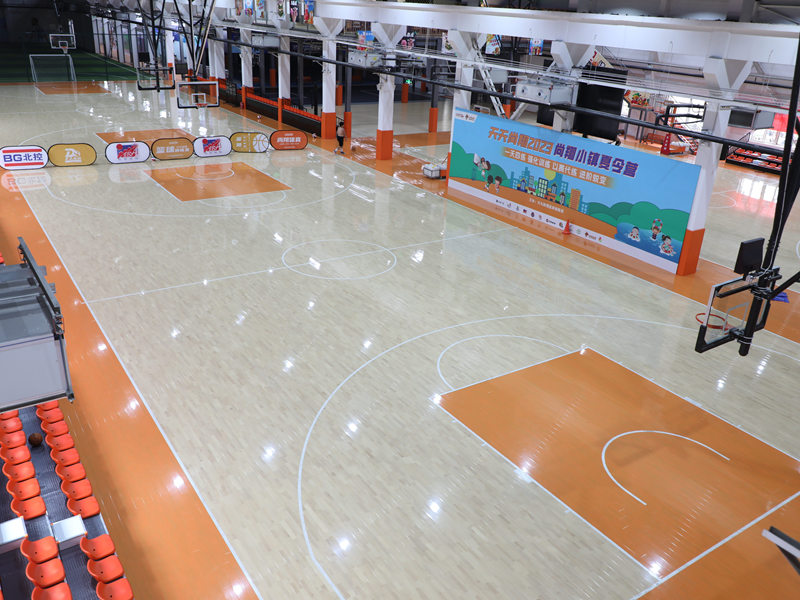
Wooden floors are inherently louder than synthetic or carpeted surfaces. When a basketball hits a hardwood floor, it produces a sharp, crisp sound that is iconic to the game. When players’ shoes grip and release on the wood surface, they produce the familiar squeaking sound that is synonymous with basketball. These sounds are part of what makes the game exciting, but they can also become a problem if they are too loud or if they create echo and reverberation in the gymnasium.
The primary way to control noise on a wooden basketball court is through the underlayment or padding system. The padding layer between the subfloor and the wood flooring acts as a sound dampener. Foam padding is particularly effective at absorbing high-frequency sounds like squeaking and ball impact, while rubber padding is better at absorbing low-frequency sounds like footsteps and thumps. A combination system that uses both foam and rubber layers provides the best overall noise reduction.
The thickness of the padding also affects acoustics. Thicker padding generally provides better sound absorption, but there is a trade-off with ball bounce. Too much padding can make the floor feel too soft and reduce the energy return to the ball. The ideal padding thickness for a competitive basketball court is typically between fifteen and twenty-five millimeters, depending on the specific system and performance requirements.
The gymnasium’s overall design also plays a role in acoustics. High ceilings, hard walls, and reflective surfaces can amplify noise and create echo. Adding acoustic panels to the walls and ceiling, using soft seating in the bleachers, and installing sound-absorbing curtains can all help reduce overall noise levels. The floor is just one piece of the acoustic puzzle, but it is an important one.
One of the benefits of a properly designed wooden floor with good padding is that it reduces impact noise — the sound that travels through the floor to the rooms below. In multi-story buildings, this is a critical consideration. A well-cushioned wooden floor can significantly reduce the noise that bleeds through to classrooms, offices, or other spaces below the gym. This can be the difference between a facility that is a good neighbor and one that generates constant complaints.
Interestingly, the type of finish on the floor can also affect noise. A high-gloss finish tends to be slightly louder than a semi-gloss or matte finish because it creates a harder, more reflective surface. This is one reason why semi-gloss is the standard finish for basketball courts — it provides a good balance between appearance, performance, and noise control.
Shoe selection also has an impact on noise. Shoes with hard rubber soles tend to squeak more on wood floors than shoes with softer, more flexible soles. While you cannot control what shoes players wear, you can specify certain performance requirements in your facility’s shoe policy. Some facilities require players to wear only non-marking, low-squeak shoes, which can significantly reduce noise levels.
In summary, noise control on an indoor basketball court is a multi-faceted challenge, and the flooring system is a key component. By choosing the right padding system, the right finish, and the right shoe policy, you can create a gymnasium that is loud enough to be exciting but controlled enough to be comfortable for everyone.