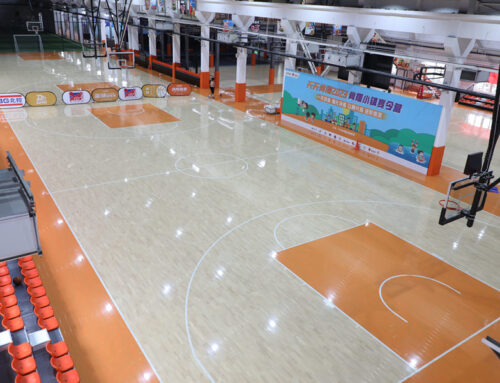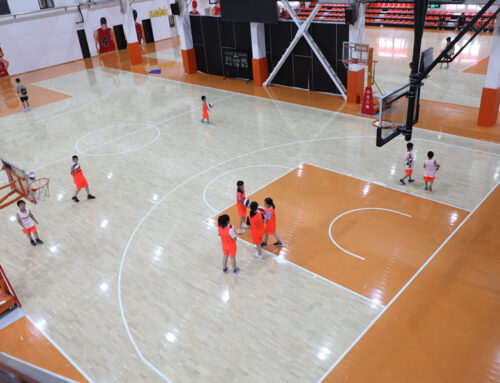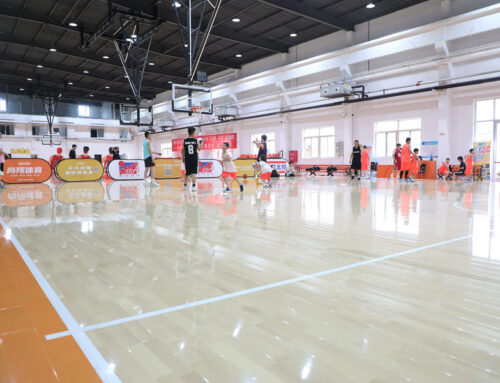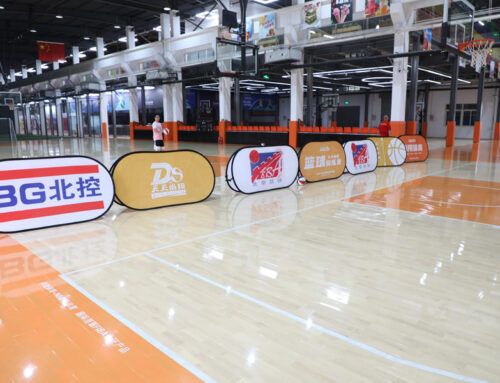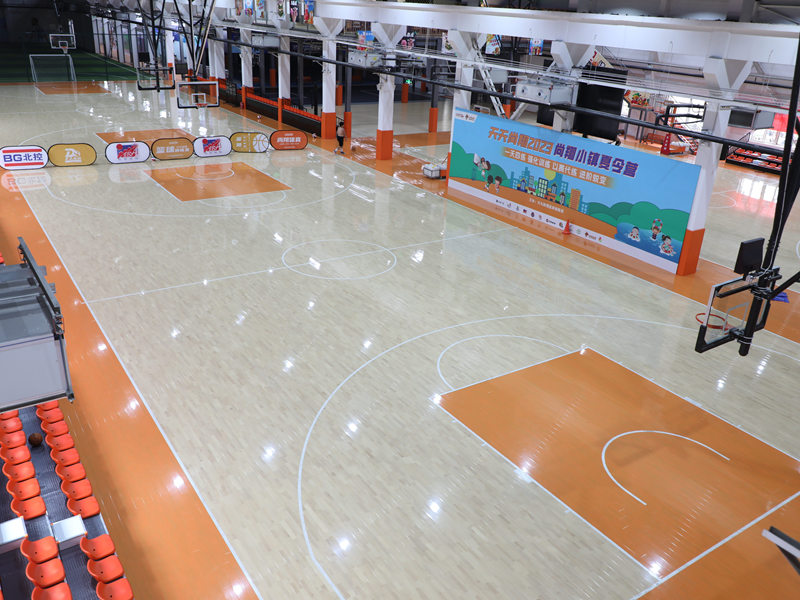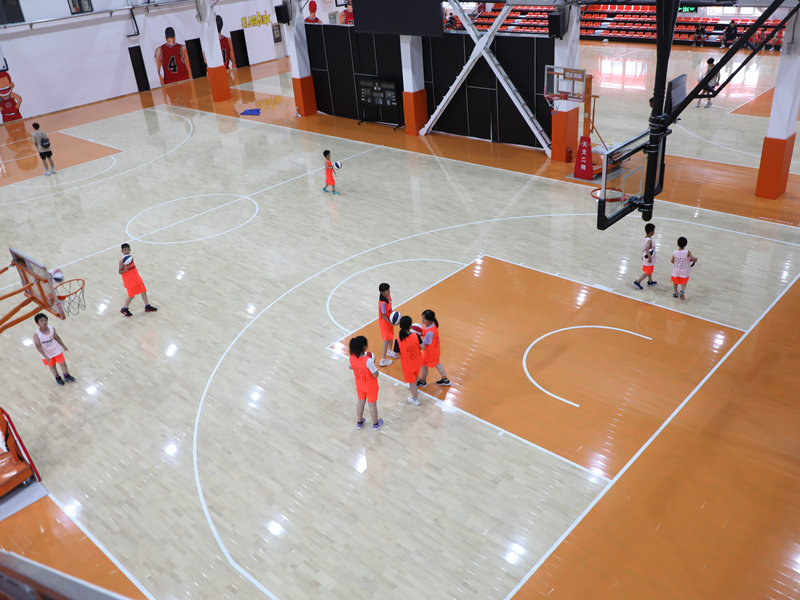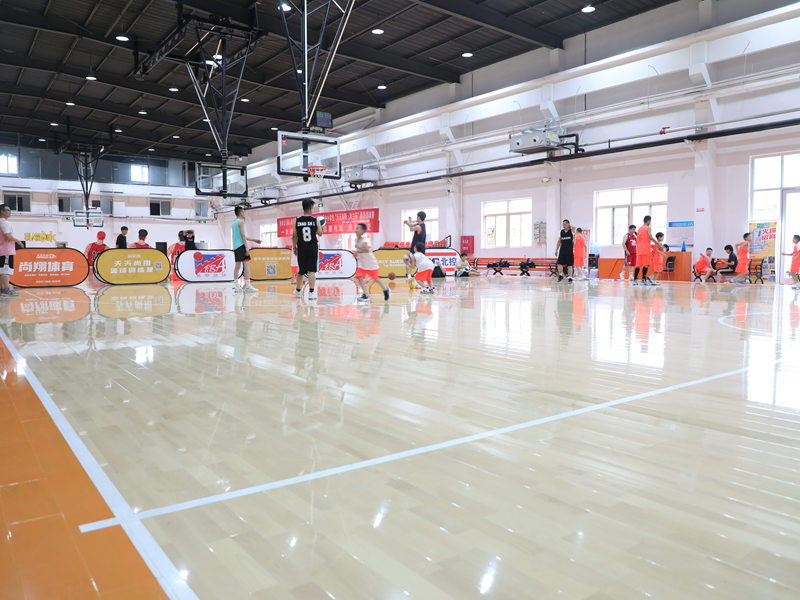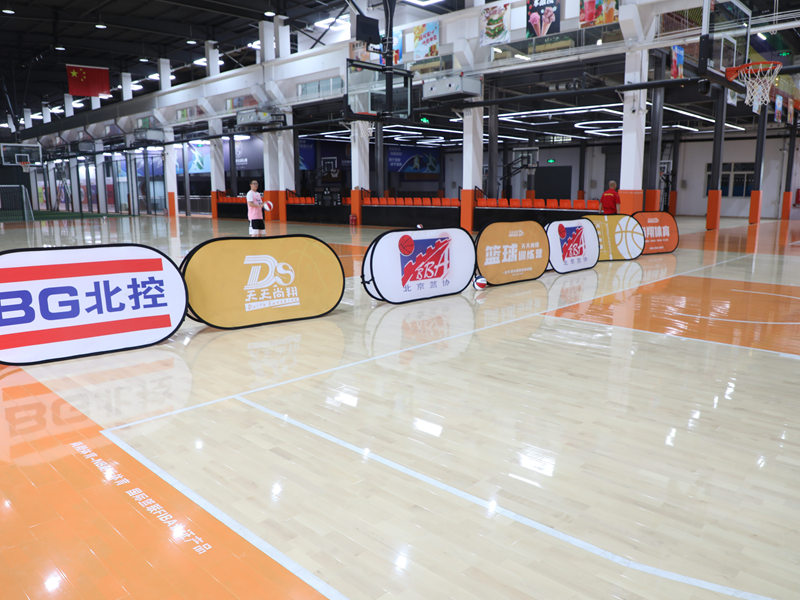
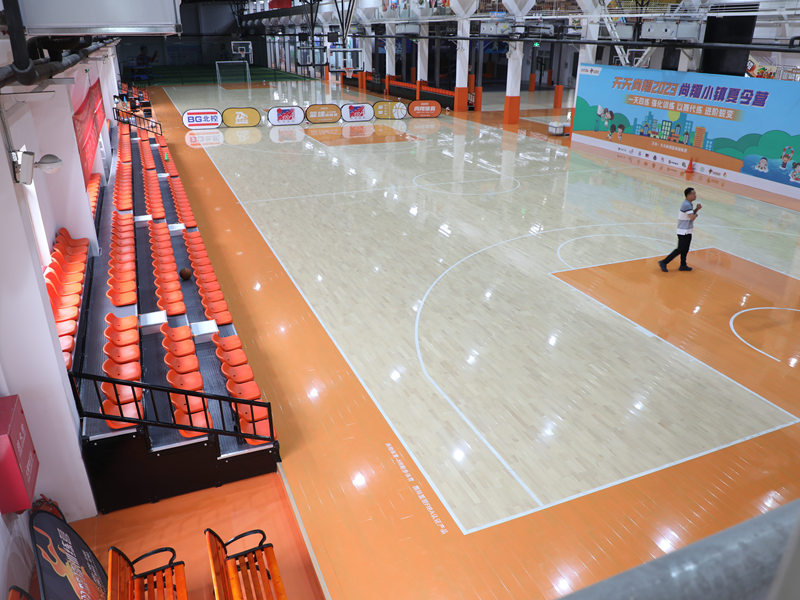
When you walk into any professional basketball arena in the world, from the largest NBA stadium to a modest college gymnasium, one thing is almost always the same: the floor is made of sugar maple. This is not a coincidence. Sugar maple has earned its reputation as the gold standard for basketball court flooring through decades of rigorous testing, professional use, and scientific validation. Here is why sugar maple is the only logical choice for any serious basketball court.
Hardness That Withstands Everything
Sugar maple ranks 1450 on the Janka hardness scale, which measures a wood’s resistance to denting and wear. For context, red oak is 1290, white oak is 1360, and hickory is 1820. While hickory is harder, its dramatic grain variation and darker color make it less suitable for the clean, bright aesthetic that basketball courts demand. Sugar maple sits in the perfect sweet spot: hard enough to resist dents from dropped balls, scuffed shoes, and dragged equipment, but not so hard that it becomes brittle or difficult to work with.
A Grain Pattern Built for Performance
The grain of sugar maple is tight, uniform, and consistent. There are no soft spots, no irregularities, no weak areas. This uniformity is critical for a basketball court because it ensures that every square foot of the floor performs the same way. Players need a surface that feels identical whether they are driving to the basket at one end of the court or setting a screen at the other. Any variation in the floor surface can cause inconsistent traction, which leads to slips, trips, and injuries.
Dimensional Stability Under Pressure
Basketball gymnasiums are harsh environments for wood flooring. Hundreds of players generate sweat, body heat, and moisture every day. Humidity levels fluctuate constantly. Temperature changes with the seasons. Sugar maple handles all of this remarkably well. Its tight grain structure resists moisture absorption, meaning it does not expand, contract, warp, or cup as easily as softer woods. This dimensional stability keeps the floor flat and level year after year, which is essential for consistent ball bounce and player safety.
Energy Return That Makes Players Faster
One of the most important performance characteristics of a basketball floor is energy return — the ability of the floor to push back against the player’s foot with each step. Sugar maple has excellent energy return properties. When a player plants their foot to drive to the basket or jump for a rebound, the floor flexes slightly and then springs back, propelling the player forward and upward. This is why players on maple courts feel faster, more explosive, and more responsive than on any other surface.
The Aesthetic That Defines Basketball
Beyond performance, sugar maple has a clean, bright, light-colored appearance that has become synonymous with basketball itself. The iconic look of a professional basketball court — the bright wood, the crisp lines, the polished finish — is achieved almost exclusively with sugar maple. This aesthetic is not just about looks. Research in environmental psychology has shown that bright, natural surfaces enhance player motivation, focus, and perceived effort. A sugar maple court makes players want to perform at their best.
Sustainability and Availability
Sugar maple is abundant in North America, making it a readily available and relatively sustainable choice. When sourced from responsibly managed forests, sugar maple is a renewable resource that can be harvested without depleting the ecosystem. Many professional basketball arenas now use FSC-certified sugar maple, ensuring that their floors are both high-performance and environmentally responsible.
For any basketball court — professional, collegiate, high school, or recreational — sugar maple is the only choice that delivers the performance, durability, stability, and aesthetics the game demands.